
How long do dermal eye fillers last? | What you should know about tear trough treatment

Clinical guidance from Dr Nyla Raja MBChB (Hons), MRCGP (Dist), DFFP, DPDermatology - GMC No. 6057913
Dermal eye fillers offer a non-surgical option for treating under-eye hollows, with improvement visible soon after treatment and results that continue to settle over time. For those considering tear trough filler treatment, understanding how long results may last, how the area recovers, and what influences longevity is important when setting realistic expectations.
At Dr Nyla Medispa, tear trough filler treatment is planned according to individual under-eye anatomy, facial structure, and suitability for treatment, using carefully selected hyaluronic acid filler products.
This guide looks at what tear trough fillers are, how long dermal eye fillers may last, and what to consider before treatment.
What Is Tear Trough Filler?
Tear troughs are hollows beneath the eyes that can create a shadow between the lower eyelid and mid-face. They are different from under-eye bags and pigmentation, although several concerns can occur together.
Dermal fillers containing hyaluronic acid can be used in appropriately selected patients to restore volume within the tear trough area and create a smoother transition between the lower eyelid and cheek.
Read more about the benefits of dermal eye fillers and how treatment can support under-eye structure.

Book in a Free Consultation With Our Expert Team
- Award-winning, doctor-led aesthetic clinics
- Locations in London, Cheshire, and Liverpool
- Over 50 non-surgical treatments available
- Free consultation with a personalised plan
What Factors Contribute to Tear Troughs?
These under-eye concerns can become more noticeable with age. Changes in skin thickness, facial fat, bone structure, and soft-tissue support can contribute to hollowing and shadowing beneath the eyes.
Tear troughs are not caused by ageing alone. Some people have visible under-eye hollowing from a younger age because of inherited facial anatomy, bone structure, skin characteristics, vascular visibility, or pigmentation.
Find out more about tear trough filler treatment at Dr Nyla Medispa.
How Long Do Tear Trough Fillers Last?
Tear trough filler treatment commonly remains noticeable for approximately 9 to 12 months, although individual results vary according to the product used, treatment technique, anatomy, previous filler history, and individual biology.
The under-eye area generally experiences less large-scale movement than highly mobile areas such as the lips, which can contribute to a longer-lasting visible result in some patients.
However, treatment duration should always be discussed as an approximate range rather than a guarantee. The visible effect of filler can gradually reduce over time, and residual hyaluronic acid may remain within the tissues beyond the period during which the original aesthetic result is most noticeable.
For a more detailed explanation of how treatment area, facial movement, product selection, metabolism, and individual biology affect duration, read our guide to how long dermal fillers last by treatment area.
If you are considering tear trough filler, choosing a medically qualified and experienced practitioner is particularly important because the under-eye area has delicate anatomy and requires careful patient selection and product placement.
A personalised consultation allows your practitioner to assess your under-eye anatomy and determine whether tear trough filler is appropriate for you.
How Long Is the Recovery Time for Under-Eye Fillers?
Results can usually be seen immediately after tear trough filler treatment, although swelling, bruising, tenderness, and temporary unevenness can affect the early appearance.
These effects gradually settle as the tissues recover. The under-eye area may continue to refine over the following weeks, so the appearance immediately after treatment should not be regarded as the final result.
At Dr Nyla Medispa, patients receive individual aftercare advice following treatment. General recommendations can include:
| Aftercare | Why It Matters | What to Do |
|---|---|---|
| Avoid unnecessary touching or pressure | Fresh injection sites can be more vulnerable to irritation, and unnecessary pressure should be avoided while the area settles. | Avoid repeatedly touching, rubbing, or pressing beneath the eyes unless your practitioner has specifically advised you to do so. Avoid make-up for the first 24 hours. |
| Keep skincare gentle | Active or exfoliating products can irritate recently treated skin. | Cleanse gently and follow your practitioner’s advice about when to restart active ingredients such as hydroxy acids, retinoids, and strong vitamin C formulations. |
| Avoid alcohol | Alcohol may make temporary bruising, redness, or swelling more noticeable. | Avoid excessive alcohol on the day of treatment and alcohol for 24 hours afterwards. |
| Avoid strenuous exercise and excessive heat | Exercise, sweating, and significant heat can temporarily increase redness and swelling. | Avoid strenuous exercise, saunas, steam rooms, tanning beds, and significant heat exposure for at least 24 hours. |
| Follow medication advice carefully | Some medicines can affect bruising or bleeding, but medically necessary medication should not be stopped without appropriate advice. | Do not stop or alter prescribed medication without speaking to the relevant medical professional. Your treating doctor can advise you about appropriate pain relief following treatment. |
If you experience a non-emergency concern following treatment, contact our clinical team for advice.
How Often Do Tear Trough Fillers Need to Be Topped Up?
There is no universal schedule for topping up tear trough filler.
Although visible results commonly last approximately 9 to 12 months, this does not mean treatment should automatically be repeated once a year. The appropriate timing depends on the individual patient, how much of the previous result remains, whether residual filler is still present, and whether additional treatment is clinically appropriate.
Factors that may influence when maintenance is considered include facial anatomy, age, tissue quality, previous filler treatment, product selection, individual biology, and how the under-eye area changes over time.
Repeated treatment should therefore be based on clinical reassessment rather than a fixed timetable. Our guide to dermal filler longevity and maintenance explains why results and retreatment intervals differ between patients and facial areas.
Speak to an appropriately qualified and experienced medical practitioner before deciding whether additional under-eye filler is needed.

|
“It’s so important to look after your skin and… I’m really appreciating getting to nourish it! She really is the best.”
– Stephanie Davis |
Dr Nyla Raja is a GMC-registered doctor and Founder and Medical Director of Dr Nyla Medispa, with clinics in Cheshire, Liverpool, and London. Tear trough filler treatment is planned according to the individual patient’s anatomy, concerns, and suitability for treatment.
Book a free consultation to discuss whether tear trough filler may be appropriate for you.
Frequently Asked Questions
How Quickly Will I See Results from Tear Trough Filler?
Improvement can usually be seen immediately after tear trough filler treatment. Some swelling, tenderness, or bruising may temporarily affect the appearance, and the treated area can continue to settle over the following weeks.
What Is the Best Dermal Filler for the Under-Eye Area?
Hyaluronic acid fillers are commonly used for tear trough treatment, but there is no single filler that is best for every patient.
The under-eye area has thin, delicate tissues, so product selection should be based on factors such as facial anatomy, tissue quality, the degree and cause of hollowing, previous treatments, and the characteristics of the filler itself.
A medical assessment is important because not every under-eye concern is caused by volume loss, and tear trough filler is not appropriate for every patient.
How Long Does Tear Trough Filler Last?
Tear trough filler commonly remains noticeable for approximately 9 to 12 months, although results vary. Product choice, anatomy, individual biology, and previous filler treatment can all influence longevity. Read our detailed guide to how long dermal fillers last for more information about expected duration across different treatment areas.
Final Thoughts on Tear Trough Filler Treatment
Tear trough filler can provide a subtle improvement in under-eye hollowing when treatment is appropriate for the patient’s anatomy. Results are visible soon after treatment but should be assessed after early swelling and tissue changes have had time to settle.
Because the under-eye area is anatomically delicate, practitioner experience, medical assessment, conservative product selection, and careful placement are important parts of treatment planning.
A consultation at Dr Nyla Medispa allows your under-eye anatomy, suitability for treatment, expected longevity, potential risks, and treatment options to be assessed before deciding whether tear trough filler is appropriate.
Need Guidance in Selecting the Most Appropriate Treatment?
Related Treatments

Tear Trough Fillers

Dermal Fillers

Jawline Fillers
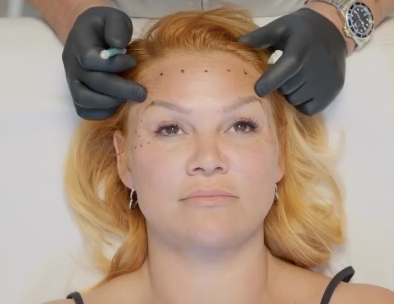
8 Point Facelift

Non-Surgical Transformation Facelift

About the Author
Considering treatment? Book a free consultation at our clinics in Mayfair London, Alderley Edge Cheshire, or Crosby Liverpool, or call 0800 009 6661.