
Aqualyx Explained: How Fat-Dissolving Injections Work and What They Can Treat

Clinical guidance from Dr Nyla Raja MBChB (Hons), MRCGP (Dist), DFFP, DPDermatology - GMC No. 6057913
Aqualyx Explained: At a Glance
Aqualyx fat-dissolving injections are used to reduce selected pockets of localised subcutaneous fat. The treatment is injected into fatty tissue beneath the skin, where its deoxycholate-based formulation disrupts fat-cell membranes. The resulting cellular material is then gradually processed and cleared through the body’s normal biological processes.
Aqualyx is most relevant where there is a defined, pinchable deposit of fat, rather than general excess body weight. Common treatment areas can include selected fat beneath the chin, abdomen, flanks, upper arms, thighs, and around the knees. Whether an area is suitable depends on the amount and distribution of fat, the surrounding anatomy, skin quality, and the degree of change being sought.
Results develop gradually, and many patients require more than one session. Aqualyx should therefore be viewed as a localised body-contouring treatment, not as a treatment for obesity, a general weight-loss method, or an equivalent to surgical fat removal where a substantial reduction is required.
- What it treats: selected pockets of localised subcutaneous fat
- How it works: disrupts fat cells within the treated fatty tissue
- Common areas: chin, abdomen, flanks, upper arms, thighs, and knees
- Results: develop gradually over the weeks following treatment
- Treatment course: more than one session is commonly required
- Best suited to: relatively defined areas of pinchable fat
- Not designed for: general weight loss or treatment of obesity
Aqualyx is not appropriate for every area of unwanted fullness. Clinical assessment is needed to establish whether the concern is predominantly subcutaneous fat and whether reducing that fat is likely to improve the contour.
What Is Aqualyx?
Aqualyx is an injectable treatment designed for localised deposits of subcutaneous fat. Subcutaneous fat is the fatty tissue situated beneath the skin and is distinct from deeper visceral fat around the internal organs.
This distinction matters because unwanted fullness is not always caused by the same type of tissue. Abdominal contour, for example, can be influenced by subcutaneous fat, visceral fat, loose skin, muscle separation, or a combination of these factors.
Fullness beneath the chin can similarly be influenced by fat, skin laxity, chin projection, jaw structure, and neck anatomy.
Aqualyx only addresses the component that is suitable subcutaneous fatty tissue. It is therefore better understood as a targeted contouring treatment than as a general method of reducing body weight.

How Does Aqualyx Work?
Aqualyx contains a deoxycholate-based formulation. Deoxycholate has detergent-like properties and can disrupt the membranes of fat cells when introduced appropriately into subcutaneous fatty tissue.
This damages the treated adipocytes and creates a local inflammatory response. The damaged cellular material is then gradually cleared from the treatment area.
A 2025 review of deoxycholate for subcutaneous fat reduction describes the cell-lysing action of deoxycholate and the clinical evidence supporting its use for selected localised fat deposits. The review also notes that the evidence is strongest for submental fat and that more research is needed for larger treatment areas.
This process is gradual. Aqualyx does not physically remove fat during the appointment in the way liposuction does, and the area can initially appear fuller because swelling commonly develops after treatment.
Our more detailed guide to how Aqualyx works explains the treatment process and what happens following injection.
Clinical Note from Dr Nyla Raja
Aqualyx is sometimes described very simply as a treatment that “melts fat”, but that does not accurately explain what happens. The treatment produces a biological response within selected fatty tissue, which is why results develop gradually and why swelling and inflammation can form part of the expected recovery.
What Happens to the Fat Cells After Aqualyx?
When fat cells are successfully disrupted, their cellular structure breaks down and an inflammatory clearance response follows.
Research examining sodium deoxycholate in human subcutaneous tissue found dose-dependent fat-cell destruction, local inflammation, and phagocytosis of disrupted adipocytes by macrophages.
The resulting cellular material is gradually processed rather than disappearing immediately after the injections. This helps explain why visible contour change develops over weeks.
It is also important to distinguish a reduction in treated fat cells from protection against future weight gain. Other fat cells remain in the area and elsewhere in the body. These remaining cells can enlarge if body weight increases, which can alter the contour achieved.
What Areas Can Aqualyx Treat?
Aqualyx may be considered for a number of areas where there is an appropriately defined deposit of subcutaneous fat.
Potential treatment areas include:
- Fat beneath the chin
- Selected lower-face or jawline fullness where fat is contributing
- Abdomen
- Flanks
- Upper arms
- Inner or outer thighs
- Fat around the knees
- Selected areas around the back or bra line
The presence of fat in one of these areas does not automatically make it suitable for treatment. The practitioner also needs to consider how much fat is present, whether it is genuinely subcutaneous, the size of the treatment area, the quality of the overlying skin, and whether injectable treatment is a practical way of achieving the patient’s objective.
Can Aqualyx Treat a Double Chin?
A defined deposit of submental fat beneath the chin can be suitable for injectable fat reduction.
However, a double chin describes an appearance rather than a single anatomical problem. Reduced jawline definition can be influenced by:
- Subcutaneous fat
- Loose or ageing skin
- Chin projection
- Jaw structure
- Neck anatomy
If excess subcutaneous fat is the main contributor, reducing the fat layer may improve contour. If the concern is predominantly loose skin or underlying facial structure, Aqualyx may have limited effect on the feature the patient wants to change.
This is why the under-chin area should be assessed anatomically rather than assuming that all fullness requires fat-dissolving injections.

Can Aqualyx Be Used on the Stomach and Larger Body Areas?
Aqualyx can be used for selected localised abdominal and body fat, but larger areas require careful assessment.
An abdomen may have a relatively small, pinchable deposit of subcutaneous fat or a much broader volume of fatty tissue. Treating a larger area can require more product and several sessions, which may make injectable treatment less practical.
Abdominal shape can also be affected by visceral fat, which lies deeper around the internal organs. Aqualyx does not treat visceral fat.
It also does not correct muscle separation or remove substantial excess skin.
For some larger, pinchable body areas, an alternative such as CoolSculpting fat freezing may be considered following assessment. Where a much larger reduction is required, surgical treatment may offer a degree of change that non-surgical procedures cannot reproduce.
Is Aqualyx a Weight-Loss Treatment?
No. Aqualyx is not a weight-loss treatment.
Its purpose is to reduce a particular pocket of subcutaneous fat sufficiently to improve local contour. The volume being treated is relatively small compared with total body fat, so meaningful changes on the scales should not be expected.
A person can have a relatively stable body weight and still retain a disproportionately persistent fat deposit in a particular area. Localised fat reduction may be relevant in that situation.
Where excess fat is distributed more widely across the body, treating individual areas with injections is unlikely to address the underlying concern effectively.
The NHS information on obesity and weight management provides guidance for people whose main objective is overall weight reduction rather than localised contouring.
Our page on localised body fat also explains why the amount and distribution of fat can influence the choice of treatment.
Who Is Suitable for Aqualyx?
Aqualyx is generally most appropriate for patients with a defined, accessible pocket of subcutaneous fat and realistic expectations about the degree of non-surgical contour change possible.
Suitability can depend on:
- The amount of fat present
- Whether the fat is genuinely subcutaneous
- The size of the treatment area
- Skin quality and elasticity
- General body composition and weight stability
- Medical history
- Current medicines
- Previous treatment
- The degree of change being sought
Aqualyx should not be performed during pregnancy or breastfeeding, and there are other medical circumstances in which treatment may be inappropriate. Suitability therefore needs to be established during consultation rather than from photographs or a list of potential treatment areas.
Our guide to Aqualyx suitability explains who tends to be an appropriate candidate, relevant medical considerations, and when another treatment may make more sense.
Why Does Skin Quality Matter?
Fat reduction and skin tightening are different treatment objectives.
Aqualyx reduces suitable fatty tissue beneath the skin but is not principally a skin-tightening treatment. If there is significant laxity, reducing the volume underneath the skin may not produce the smoother or firmer contour a patient expects.
This is particularly relevant beneath the chin, on the upper arms, abdomen, and inner thighs.
In some patients, improving skin firmness may be more relevant than reducing further volume. In others, particularly where there is considerable excess skin, non-surgical treatment may not be capable of producing the required degree of change.
Clinical Note from Dr Nyla Raja
The question is not simply whether fat is present. We also need to consider what the contour is likely to look like if that volume is reduced. Where skin laxity is significant, removing further volume does not necessarily produce a better result.
What Results Can You Expect from Aqualyx?
Aqualyx is intended to produce a gradual reduction in localised fat rather than an immediate transformation.
Following treatment, swelling can initially conceal the developing change. As the inflammatory response settles and the treated tissue is gradually cleared, the contour may become more defined.
The degree of improvement varies according to:
- The treatment area
- The amount of suitable fat
- The amount of product used
- The number of sessions
- Skin quality
- Individual response
Our guide to Aqualyx results explains when visible change commonly develops, why many people require a course of treatment, and why smaller and larger areas can respond differently.
How Many Aqualyx Sessions Are Needed?
Many patients require more than one appointment.
At Dr Nyla Medispa, treatment planning commonly involves approximately 2–4 sessions, although some patients require fewer or more. The appropriate course depends on the size of the area, the amount of suitable fat, and how the tissue responds.
Sessions are commonly spaced several weeks apart so that swelling can settle and the previous treatment can be assessed before another session is performed.
A small under-chin deposit may require a different course from the abdomen or thighs because the volume of fat and treatment surface are different.
More treatments are not automatically better. Once an appropriate degree of reduction has been achieved, further treatment may not provide additional benefit.

What Are the Side Effects of Aqualyx?
Aqualyx produces an inflammatory response within the treated tissue, so some short-term effects are expected.
These can include:
- Swelling
- Tenderness or soreness
- Bruising
- Redness
- Warmth
- Temporary firmness or areas of hardness
- Numbness or altered sensation
A controlled clinical study of sodium deoxycholate for localised fat reduction also reported predominantly local treatment effects, supporting the importance of counselling patients about the inflammatory response associated with this type of treatment.
More significant complications are uncommon but possible. A published Aqualyx complication case report described skin necrosis, painful nodules, and subsequent infection after treatment reported to have been administered too superficially by an untrained individual. A single case cannot establish how frequently a complication occurs, but it illustrates why treatment technique and practitioner training matter.
Our guide to Aqualyx safety, side effects, and aftercare explains expected swelling and recovery in more detail, along with uncommon complications and when to contact the clinic.
How Does Aqualyx Compare with Other Fat-Reduction Treatments?
Aqualyx is one option within a broader range of non-surgical body-contouring treatments. The most appropriate treatment depends on what is causing the contour concern and the amount of change required.
Aqualyx Versus CoolSculpting
Aqualyx is injectable, whereas CoolSculpting uses controlled cooling to reduce susceptible fat cells without injecting directly into the fat layer.
A smaller, precisely defined pocket may lend itself to injectable treatment, while some larger pinchable areas can be more practical to treat with an applicator-based approach. Neither is automatically the better option.
Aqualyx Versus Skin-Tightening Treatments
If loose skin is creating most of the concern, reducing fat may not address it. A treatment intended to improve skin firmness may be more relevant where laxity rather than excess volume is the dominant issue.
Aqualyx Versus Liposuction
Liposuction is a surgical procedure capable of removing substantially larger quantities of fat. Aqualyx should not therefore be presented as a direct substitute where a patient wants a major reduction.
A non-surgical approach avoids an operation, but this needs to be balanced against the more modest degree of change and the possibility that several sessions will be required.
How Much Does Aqualyx Cost?
The overall cost depends principally on the size of the treatment area, the amount of product required, and how many sessions are needed.
A small under-chin treatment can therefore have a very different total cost from a course treating a larger abdominal or thigh area.
For more detailed pricing information, our guides to Aqualyx costs in the UK and Aqualyx costs in London explain typical prices by treatment area and the factors that influence the total cost of a course.

Book in a Free Consultation With Our Expert Team
- Award-winning, doctor-led aesthetic clinics
- Locations in London, Cheshire, and Liverpool
- Over 50 non-surgical treatments available
- Free consultation with a personalised plan
Aqualyx FAQs
What does Aqualyx actually do?
Aqualyx is injected into suitable subcutaneous fatty tissue, where its deoxycholate-based formulation disrupts the membranes of treated fat cells. The resulting cellular material is then gradually cleared from the area.
Does Aqualyx permanently destroy fat cells?
Successfully disrupted fat cells are removed from the treated tissue rather than simply being temporarily reduced in size. However, remaining fat cells can enlarge with future weight gain, so maintaining a relatively stable weight remains important.
Where can Aqualyx be used?
Potential areas include selected fat beneath the chin, abdomen, flanks, upper arms, thighs, around the knees, and other appropriately assessed localised deposits.
Can Aqualyx remove stomach fat?
It can be used for selected pinchable subcutaneous abdominal fat. It cannot treat deeper visceral fat, substantial loose skin, or abdominal shape caused primarily by muscle separation.
Does Aqualyx help you lose weight?
No. Aqualyx is designed for localised contouring and should not be expected to produce meaningful overall weight loss.
How quickly does Aqualyx work?
Results develop gradually. Swelling can initially make the area appear fuller before contour change becomes easier to see over the following weeks.
How many treatments are normally needed?
Many patients require approximately two to four sessions, although the appropriate course depends on the treatment area, amount of localised fat, and individual response.
Is Aqualyx suitable for everyone?
No. Suitability depends on anatomy, fat distribution, skin quality, medical history, treatment expectations, and other clinical factors. Treatment should also be deferred during pregnancy and breastfeeding.
Does Aqualyx tighten the skin?
Aqualyx principally reduces localised fat and should not be considered a skin-tightening treatment. Where laxity is the main concern, another approach may be more appropriate.
What are the main side effects?
Swelling, tenderness, bruising, redness, temporary firmness, and altered sensation can occur. These effects should generally improve as the tissue settles, while severe or worsening symptoms should be assessed by the treating clinic.
Aqualyx Explained: Treating the Right Type of Fat
Aqualyx can provide gradual contour improvement when it is used for an appropriately selected pocket of subcutaneous fat. Its role is relatively specific: to reduce suitable fatty tissue within a localised area without surgery.
Its limitations are equally important. Aqualyx is not a weight-loss treatment, does not treat visceral fat, does not primarily tighten loose skin, and cannot reproduce the degree of fat removal achievable with surgery.
The quality of the result therefore depends heavily on patient selection. The amount and distribution of fat, skin quality, underlying anatomy, medical suitability, and the scale of change being sought all need to be considered before treatment is recommended.
If you are considering Aqualyx, you can book a free consultation at Dr Nyla Medispa to discuss the area you would like to treat and whether injectable fat reduction is an appropriate option.
Need Guidance in Selecting the Most Appropriate Treatment?
Related Treatments
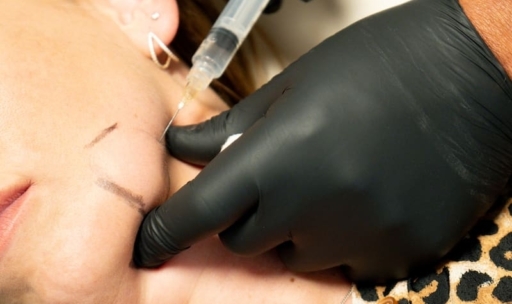
Aqualyx Fat Dissolving Injections

CoolSculpting Fat Freezing
Emerald Laser Fat Loss
LIPOcel Body Contouring

EMSCULPT Body Sculpting

About the Author
Considering treatment? Book a free consultation at our clinics in Mayfair London, Alderley Edge Cheshire, or Crosby Liverpool, or call 0800 009 6661.