
Aqualyx Results: How Many Sessions Are Needed & When Will You See a Difference?

Clinical guidance from Dr Nyla Raja MBChB (Hons), MRCGP (Dist), DFFP, DPDermatology - GMC No. 6057913
Aqualyx Results: At a Glance
Aqualyx fat-dissolving injections are used to reduce selected pockets of localised subcutaneous fat. Results develop gradually, and many patients require a course of approximately 2–4 treatments, although the appropriate number depends on the size of the area, the amount of localised fat, and how the tissue responds.
Sessions are commonly spaced around 4–6 weeks apart. This gives swelling and inflammation time to settle and allows the practitioner to assess the response before deciding whether another treatment is appropriate.
The treated area may initially look fuller because swelling is an expected part of the response. Visible improvement commonly begins over the following weeks, with the effect of an individual session usually easier to judge after approximately 6–8 weeks.
- Typical treatment course: often around 2–4 sessions
- Spacing between sessions: commonly 4–6 weeks
- Swelling: usually most noticeable during the first few days
- Early visible change: often develops over approximately 3–6 weeks
- Better time to assess one session: around 6–8 weeks
- Larger areas: may require more treatment than small, well-defined fat deposits
These timings are general expectations rather than guarantees. Aqualyx is intended for selected pockets of localised subcutaneous fat, and results vary between patients and treatment areas.
How Do Aqualyx Results Develop?
Aqualyx is an injectable treatment used to reduce selected pockets of localised subcutaneous fat. It acts within the fat layer, disrupting treated fat cells so that the resulting cellular material can be gradually processed by the body.
For this reason, Aqualyx does not produce an immediate reduction in contour. In fact, the area may temporarily look larger following treatment because swelling and inflammation are part of the expected tissue response.
The usual progression is therefore:
- Swelling and tenderness after treatment
- Gradual settling over the following days and weeks
- Progressive reduction in the localised fat deposit
- Reassessment before deciding whether further treatment is needed
Our guide to how Aqualyx works explains the treatment mechanism and what happens within the treated fat layer in more detail.
The gradual nature of the response is also consistent with clinical research on injectable deoxycholate for localised fat reduction, where treatment is assessed over a staged course rather than as an immediate result. Evidence from related injectable deoxycholate treatments is useful for understanding the biological process, although findings from one formulation or treatment area should not automatically be assumed to apply identically to every Aqualyx treatment.

How Many Aqualyx Sessions Are Usually Needed?
Many patients require approximately 2–4 sessions, but there is no standard course that is appropriate for everyone.
A smaller, clearly defined pocket of fat may respond with fewer treatments, whereas a larger area may require a longer course. The amount of suitable subcutaneous fat and the degree of contour change being sought also influence the recommendation.
The response to the first treatment is important. Rather than committing every patient to a fixed number of sessions at the outset, the area should be reassessed as treatment progresses.
Clinical Note from Dr Nyla Raja
Aqualyx treatment should be planned around the area being treated rather than a predetermined package. A small pocket beneath the chin and a larger abdominal area have very different treatment requirements, so the number of sessions should reflect the anatomy and the response to treatment.
Why Is Aqualyx Often a Course of Treatment?
Aqualyx is generally used to create a gradual reduction in a localised fat deposit rather than attempting to achieve the entire change in one appointment.
There are several reasons for this. There is a limit to how much product and how large an area can appropriately be treated during one session. The tissue also needs time to respond before the practitioner can accurately assess how much additional treatment, if any, is required.
A staged approach makes it possible to monitor:
- How much contour change has occurred
- How the patient has tolerated the treatment
- Whether any asymmetry remains
- Whether the desired result has already been reached
- Whether further treatment remains appropriate
More sessions are not automatically better. Once the desired reduction has been achieved, continuing treatment simply because a package allows it may not be appropriate.
How Far Apart Are Aqualyx Treatments?
Aqualyx sessions are commonly spaced approximately 4–6 weeks apart.
The interval is important because the treatment response continues after the appointment. Swelling needs time to settle, and the gradual change in the fat layer needs to become clearer before the area is treated again.
Reassessing too early can make it difficult to distinguish the developing result from temporary inflammation. Published clinical evidence on sodium deoxycholate intralipotherapy has similarly evaluated treatment using intervals measured in weeks rather than repeating treatment in rapid succession.
The exact interval may be adjusted according to the treatment area, the extent of swelling, and the patient’s individual response. If the tissue has not adequately settled, it can be appropriate to wait longer before proceeding.

How Long Does Swelling Last After Aqualyx?
Swelling is common after Aqualyx and can be more noticeable than with many other injectable aesthetic treatments.
It is usually most pronounced during the first few days and then gradually subsides. Many patients see substantial improvement within approximately a week, although some residual swelling can remain for one to two weeks or occasionally longer.
The degree of swelling can depend on:
- The size of the treatment area
- The amount of product used
- The location being treated
- Individual inflammatory response
Swelling beneath the chin can be particularly noticeable because relatively small changes in volume are visible in the facial profile. Larger body areas can also remain tender or swollen for longer simply because a greater surface area has been treated.
Bruising, tenderness, warmth, temporary firmness, and altered sensation can also occur. These effects are usually temporary, but patients should understand which symptoms fall outside the expected recovery pattern. Our guide to Aqualyx safety, side effects, and aftercare explains expected reactions in more detail, including when to contact the clinic.
A systematic review of injectable deoxycholic acid for submental fat reduction identified swelling, pain, bruising, redness, and numbness among the commonly reported local treatment effects. This evidence relates to deoxycholic acid treatment for submental fat rather than Aqualyx specifically, but it helps place the expected inflammatory response in clinical context.
Patients should contact their treating clinic if swelling is unusually severe, continues to worsen, or is accompanied by unexpected pain, skin changes, or signs of infection.
When Will You See a Difference After Aqualyx?
Aqualyx results are generally measured in weeks rather than days.
Some visible improvement may begin from around 3–6 weeks after treatment. The precise timing varies because the body needs time to process the treated fat cells and because early swelling can obscure the developing result.
An individual treatment is usually easier to judge at approximately 6–8 weeks.
This does not mean that every patient will see a dramatic change at that point. The degree of improvement depends on how much suitable fat was present, the amount treated, the area involved, and the response to the procedure.
Where several sessions are planned, results usually become progressively more apparent throughout the course.

Do Small and Large Treatment Areas Respond Differently?
Yes. The size and anatomy of the area can have a significant effect on both the number of sessions required and how noticeable the change appears.
Small, Localised Areas
A small pocket of subcutaneous fat, such as selected fullness beneath the chin, can sometimes require fewer sessions because the volume being treated is relatively limited.
However, not all fullness beneath the chin is caused by fat. Skin laxity, chin projection, jaw structure, and neck anatomy can also affect the profile. Reducing fat alone will not necessarily correct these factors. Our page on double chin reduction explains why different causes of submental fullness can require different treatment approaches.
Larger Body Areas
Areas such as the abdomen, flanks, thighs, or upper arms can involve a larger volume of fat and a greater treatment surface.
They may therefore require more product, more than one treatment session, and a longer overall treatment period.
Larger areas also need to be considered in terms of practicality. Aqualyx is designed for localised fat reduction, not for treating large amounts of general body fat. For a broader overview of where the treatment can be used, how it affects fat cells, and its limitations, our guide to Aqualyx fat-dissolving injections explains how the treatment works and what it can treat.
Where the treatment area is larger, consultation may include discussion of other non-surgical fat-reduction options. Treatments such as CoolSculpting fat freezing work differently and may be more appropriate for some patients depending on the size, position, and character of the fat deposit.
Why Do Aqualyx Results Vary Between Patients?
Before-and-after images can be useful for understanding the type of change that may be possible, but they cannot predict an individual result.
Factors that can influence the outcome include:
- The amount of localised fat present
- The size of the treatment area
- Fat distribution
- Skin elasticity
- The amount of product used
- The number of sessions
- Individual biological response
- The degree of contour change being sought
Skin quality is particularly important. Aqualyx reduces localised fat; it is not principally a skin-tightening treatment. If significant skin laxity is present, reducing the fat beneath it may not produce the smoother or tighter contour the patient expects.
Likewise, patients with broad areas of excess body fat may not be good candidates for injectable fat reduction. Our page on localised body fat explains the different factors that can influence treatment selection and why the amount and distribution of fat matter.
There is also some direct published evidence evaluating Aqualyx in individual body areas. For example, an Aqualyx study examining localised fat around the knees reported measurable reduction in subcutaneous tissue in a small patient group. The study was limited by its small sample size, which is an important reminder that the evidence base is not equally strong for every treatment area.
Can One Aqualyx Session Be Enough?
It can be, but patients should not assume that one treatment will always produce the desired result.
A small area with a limited amount of suitable fat may respond sufficiently after one session. Other patients will see an improvement but still have residual fat that can reasonably be treated again.
The decision should be made after the tissue has settled rather than immediately after treatment.
For this reason, it is useful to think of Aqualyx as a course that is adjusted according to response, rather than a treatment where the same number of sessions is prescribed to everybody.
How Much Does a Course of Aqualyx Cost?
The total cost depends on the treatment area, the amount of product required per session, and the number of treatments needed.
A small area may therefore have a substantially different total cost from treating the abdomen, flanks, or thighs over several sessions.
For detailed pricing, our guides to Aqualyx costs in the UK and Aqualyx costs in London explain typical price ranges, treatment-area differences, and how course pricing can vary.

Book in a Free Consultation With Our Expert Team
- Award-winning, doctor-led aesthetic clinics
- Locations in London, Cheshire, and Liverpool
- Over 50 non-surgical treatments available
- Free consultation with a personalised plan
Aqualyx Results FAQs
How many Aqualyx treatments do most people need?
Many patients require approximately 2–4 sessions, although smaller deposits may need less treatment and larger areas may require more.
How long should you wait between sessions?
Treatments are commonly spaced around 4–6 weeks apart, although the interval may be longer if swelling or tissue inflammation has not fully settled.
When do Aqualyx results start to show?
Visible improvement often begins over approximately 3–6 weeks. The result of an individual session is usually easier to assess after around 6–8 weeks.
Why do I look bigger immediately after Aqualyx?
Temporary swelling is an expected response to treatment and can initially make the area appear fuller. This does not represent an increase in fat.
How long does Aqualyx swelling last?
Swelling is often greatest during the first few days and commonly improves substantially within around a week. Some residual swelling can persist for one to two weeks or longer.
Do larger areas need more sessions?
They can. A larger treatment surface or greater volume of localised fat may require more product and more than one treatment session.
Does everyone get the same result from Aqualyx?
No. Results vary according to the amount and distribution of fat, skin quality, treatment area, number of sessions, and individual response.
Is Aqualyx a weight-loss treatment?
No. Aqualyx is intended for selected pockets of localised subcutaneous fat. It is not a treatment for general weight reduction or obesity.
Aqualyx Results: Setting Realistic Expectations
Aqualyx results develop gradually, and many patients require more than one session. Treatments are commonly spaced around four to six weeks apart so that swelling can settle and the response can be assessed properly.
Some improvement may become visible within three to six weeks, but an individual treatment is generally better judged after approximately six to eight weeks. Smaller fat deposits may require fewer sessions, while larger areas can need a longer course.
The most appropriate treatment plan depends on the amount of localised fat, skin quality, anatomy, and the degree of contour change being sought. Aqualyx should therefore be assessed as an individual body-contouring treatment rather than a fixed package.
If you are considering treatment, you can book a free consultation at Dr Nyla Medispa to discuss the area you would like to treat and whether Aqualyx is appropriate for you.
Need Guidance in Selecting the Most Appropriate Treatment?
Related Treatments
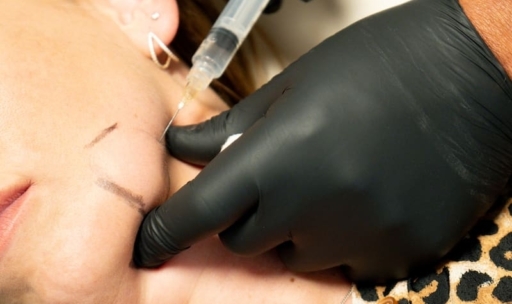
Aqualyx Fat Dissolving Injections

CoolSculpting Fat Freezing
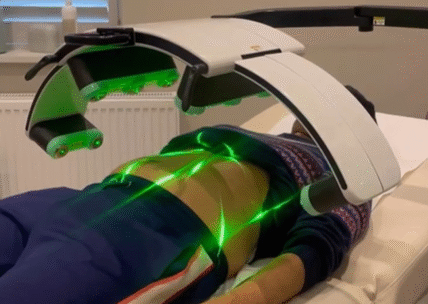
Emerald Laser Fat Loss
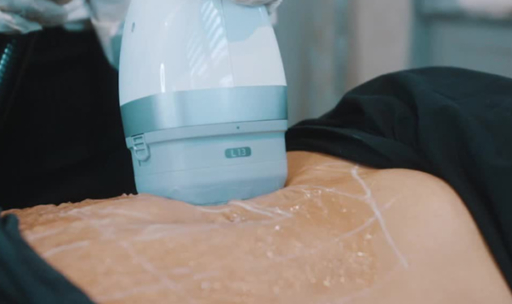
LIPOcel Body Contouring

EMSCULPT Body Sculpting

About the Author
Considering treatment? Book a free consultation at our clinics in Mayfair London, Alderley Edge Cheshire, or Crosby Liverpool, or call 0800 009 6661.