
Aqualyx Safety, Side Effects, and Aftercare: What Patients Should Know

Clinical guidance from Dr Nyla Raja MBChB (Hons), MRCGP (Dist), DFFP, DPDermatology - GMC No. 6057913
Aqualyx Safety, Side Effects, and Aftercare: At a Glance
Aqualyx fat-dissolving injections are used to reduce selected pockets of localised subcutaneous fat. As with any injectable treatment, Aqualyx can cause side effects, and appropriate patient assessment, treatment technique, and aftercare are important parts of safe treatment.
Swelling, tenderness, bruising, redness, temporary numbness, and firmness can occur after treatment. Swelling is often most noticeable during the first few days and then gradually settles. Some residual swelling, tenderness, or firmness can remain for one to two weeks or occasionally longer, depending on the area treated and individual response.
More significant complications are uncommon, but patients should know what is expected and what is not. Increasing pain, worsening redness, significant skin colour change, discharge, fever, or symptoms that deteriorate rather than gradually improve should be assessed by the treating clinic.
- Common: swelling, tenderness, redness, bruising, and temporary firmness
- Can also occur: numbness or altered sensation in the treated area
- Typical recovery: swelling is usually most noticeable during the first few days and gradually improves
- Results: should not be judged while significant swelling is present
- Aftercare: follow the instructions provided by your treating practitioner and avoid unnecessary pressure or manipulation of the area
- Clinical review: seek advice if symptoms are unusually severe, worsening, prolonged, or otherwise unexpected
The information below describes general recovery patterns. Individual aftercare should always be based on the area treated, the amount of product used, your medical history, and the instructions provided by your own practitioner.
Is Aqualyx Safe?
Aqualyx has an established history of use for localised fat reduction, but it should not be described as risk-free. It is an injectable treatment that deliberately produces a local inflammatory response within subcutaneous fat, so temporary swelling, discomfort, and tissue changes are expected. For a broader introduction to the treatment itself, our Aqualyx guide explains how the injections work, which types of localised fat can be treated, and the limitations of non-surgical fat reduction.
Safety depends on several factors, including:
- Correct assessment of whether the area is suitable for treatment
- Understanding the anatomy beneath and around the treatment area
- Appropriate injection depth and technique
- The amount of product used
- Appropriate intervals between treatments
- Recognition and management of adverse reactions
- Clear aftercare and access to clinical follow-up
The wider clinical evidence on injectable deoxycholate safety describes mild, localised reactions as the most common adverse effects, while more significant or persistent complications are reported much less frequently.
Evidence is stronger for injectable deoxycholate in some treatment areas than others, particularly submental fat beneath the chin. Larger body areas have a less extensive evidence base, which is another reason why treatment should be individually assessed rather than treated as a routine procedure for any unwanted body fat.

What Are the Most Common Aqualyx Side Effects?
The most commonly expected effects occur in and around the area that has been injected.
These can include:
- Swelling
- Redness
- Tenderness or aching
- Bruising
- Temporary firmness or small areas of hardness
- Numbness or altered sensation
- Temporary warmth around the treated tissue
These effects occur because the treatment causes a local response within the fat layer. Research examining the effects of sodium deoxycholate on human subcutaneous tissue has demonstrated both fat-cell disruption and a local inflammatory response, which helps explain why swelling and tenderness can accompany treatment.
Our guide to how Aqualyx works explains this process in more detail.
How Long Does Swelling Last After Aqualyx?
Swelling is one of the most noticeable short-term effects of Aqualyx.
It commonly becomes apparent shortly after treatment and may increase over the first day or two. For many patients, it is most noticeable during the first several days before progressively reducing.
Substantial improvement is often seen within approximately a week, although some swelling can remain for one to two weeks or occasionally longer.
The amount of swelling can vary according to:
- The treatment area
- The amount of localised fat
- The volume of product used
- The surface area treated
- Individual inflammatory response
Treatment beneath the chin can make swelling particularly visible because relatively small changes alter the facial profile. Larger body areas may produce less conspicuous swelling but can remain tender or firm over a broader area.
Swelling also means that patients should not try to assess their result immediately. The area may initially look larger than it did before treatment. Our guide to Aqualyx results and treatment timelines explains when visible improvement commonly begins and why several weeks are needed before the result of a session can be judged properly.
Are Bruising and Tenderness Normal?
Some bruising is possible whenever injections pass through the skin and superficial blood vessels. The amount varies considerably between patients.
Tenderness is also common because the treatment creates inflammation within the fat layer. The area may feel sore when touched or during movement, particularly after treatment of the abdomen, thighs, upper arms, or another region where clothing or normal activity creates pressure.
Both effects should generally improve rather than progressively worsen.
Severe pain, particularly where it becomes more intense rather than settling, should not simply be assumed to be normal post-treatment tenderness. It warrants advice from the treating clinic.
Can Aqualyx Cause Numbness or Firmness?
Temporary changes in sensation can occur after deoxycholate-based injectable fat reduction. Patients may describe the area as numb, less sensitive, tingling, or otherwise different from normal.
Temporary firmness can also develop as the inflammatory response settles. This may feel like areas of hardness or small lumps beneath the skin.
Neither necessarily indicates a complication, particularly during the early recovery period. However, the direction of recovery matters. Firmness and altered sensation should gradually improve rather than becoming increasingly painful or associated with worsening skin changes.
A clinical review of deoxycholic acid adverse effects and complications identifies oedema, local pain, bruising, and numbness among the more frequently observed reactions, while also highlighting the importance of anatomical knowledge and appropriate technique.
Aqualyx Recovery Timeline
| Time After Treatment | What You May Notice |
|---|---|
| First 24–72 hours | Swelling, tenderness, redness, warmth, and bruising can be most noticeable. |
| Days 4–7 | Swelling and soreness commonly begin to settle, although the area may still feel firm or swollen. |
| Weeks 1–2 | Residual swelling, bruising, firmness, or altered sensation may remain in some patients. |
| Following weeks | The area continues to settle, and gradual contour change can become easier to assess. |
This is a general recovery pattern rather than a fixed timetable. Larger treatment areas and individual biological responses can lead to longer or shorter recovery.
What Should You Do After Aqualyx Treatment?
Aftercare should support recovery without unnecessarily manipulating recently treated tissue.
Your practitioner should provide instructions specific to your treatment, but general principles may include:
- Keep the treatment area clean and avoid unnecessary touching immediately after the procedure.
- Do not vigorously massage or manipulate the area unless your practitioner has specifically instructed you to do so.
- Avoid strenuous exercise initially if advised by your clinic, particularly while swelling and tenderness are pronounced.
- Avoid excessive heat, such as saunas or very hot baths, during the early recovery period if recommended by your practitioner.
- Wear comfortable clothing where possible if a body area is tender or swollen.
- Use any recommended pain relief only as directed and check with your clinician if you are uncertain what is appropriate for you.
- Monitor the area so that you can recognise whether symptoms are gradually improving.
- Attend any recommended review before deciding whether another treatment is necessary.
A further treatment should not be scheduled simply because a predetermined date has arrived. The area should first have had sufficient time to settle so the response can be assessed properly.
Clinical Note from Dr Nyla Raja
The most useful part of aftercare is understanding the difference between an expected inflammatory response and a symptom that is not following the expected recovery pattern. Swelling and tenderness are common after Aqualyx, but symptoms should generally become less pronounced with time. If something is becoming substantially worse rather than better, we would want the patient to contact the clinic.

What Are the Uncommon Complications of Aqualyx?
More significant complications are uncommon, but they are clinically important because injectable fat-dissolving treatment affects living tissue rather than simply producing temporary surface irritation.
Reported complications associated with injectable deoxycholate include:
- Prolonged or severe pain
- Persistent nodules or areas of hardness
- Skin injury or necrosis
- Infection
- Persistent altered sensation
- Nerve injury in anatomically sensitive areas
- Contour irregularity
- Unusual inflammatory reactions
Not every complication reported with one deoxycholate formulation can automatically be applied to Aqualyx in exactly the same way. However, the wider clinical literature demonstrates why correct injection depth, dose, anatomical knowledge, and practitioner training matter.
A published Aqualyx complication case report, for example, described skin necrosis, painful nodules, and subsequent infection after treatment that had reportedly been administered too superficially by an untrained individual. A single case does not establish how frequently such complications occur, but it illustrates the potential consequences of inappropriate technique.
This is also why purchasing fat-dissolving products online or attempting self-injection is inappropriate. Injectable fat reduction requires assessment of both the patient and the underlying anatomy.
When Should You Contact the Clinic After Aqualyx?
Contact your treating clinic if you are uncertain about your recovery, particularly if symptoms are more severe than you were advised to expect.
Clinical assessment is particularly important if you develop:
- Severe or increasingly intense pain
- Swelling that is rapidly worsening rather than settling
- Redness that continues to spread
- Increasing heat, discharge, or pus from an injection site
- Fever or feeling systemically unwell
- Blistering, ulceration, or unusual skin colour changes
- Persistent or worsening numbness, weakness, or altered movement
- A firm or painful lump that is worsening rather than gradually resolving
- Any other reaction that feels substantially different from the recovery discussed at consultation
Patients who have been treated at Dr Nyla Medispa and are concerned about their recovery should contact the clinic or call 0800 009 6661 so the clinical team can advise whether assessment is required.
If you develop severe breathing difficulty, collapse, or another medical emergency, call 999.
How Can the Risks of Aqualyx Be Reduced?
Good aftercare matters, but safety starts before the injection takes place.
The consultation should establish whether the concern is genuinely caused by a suitable pocket of subcutaneous fat and whether injectable fat reduction is an appropriate option.
This is particularly important beneath the chin, where fullness can be influenced by skin laxity, chin projection, jaw structure, and neck anatomy as well as fat. Similarly, Aqualyx is not intended to treat large amounts of general body fat or to function as a weight-management treatment.
Our page on localised body fat explains why the amount, position, and character of fat can affect treatment selection.
Patients should also know who is performing the treatment, what experience they have with injectable fat reduction, what product is being used, what aftercare is provided, and how the clinic manages complications.
The NHS guidance on choosing a cosmetic practitioner recommends checking qualifications, training, experience, insurance, and follow-up arrangements before undergoing a cosmetic procedure.

When Can You Assess Your Aqualyx Result?
One of the most important practical points after treatment is not to confuse early swelling with the eventual result.
Visible improvement usually develops gradually after the inflammatory response has settled. Many patients require more than one session, with treatments spaced sufficiently far apart to assess the previous response.
Our detailed guide to Aqualyx results explains how many sessions are commonly needed, how treatment spacing works, and when a visible difference can reasonably be assessed.

Book in a Free Consultation With Our Expert Team
- Award-winning, doctor-led aesthetic clinics
- Locations in London, Cheshire, and Liverpool
- Over 50 non-surgical treatments available
- Free consultation with a personalised plan
Aqualyx Safety and Aftercare FAQs
Is swelling normal after Aqualyx?
Yes. Swelling is an expected response and can be relatively pronounced during the first few days. It should generally begin to settle progressively rather than continue to worsen.
How long does Aqualyx swelling last?
Many patients notice substantial improvement within approximately a week, although residual swelling can remain for one to two weeks or occasionally longer.
Is it normal for Aqualyx to feel hard afterwards?
Temporary firmness or small areas of hardness can occur as part of the local inflammatory response. These generally soften with time. Persistent, painful, or worsening lumps should be assessed by the treating clinic.
Can Aqualyx cause numbness?
Temporary numbness or altered sensation can occur after deoxycholate-based injectable fat reduction. Persistent or worsening sensory changes should be discussed with your practitioner.
Can I exercise after Aqualyx?
Your practitioner should give you instructions based on the area treated and your individual recovery. Strenuous exercise is often avoided during the early recovery period while swelling and tenderness are more pronounced.
Can I massage the area after Aqualyx?
Do not vigorously massage or manipulate the treated area unless your practitioner has specifically advised you to do so. Aftercare protocols can vary according to technique and treatment area.
When should I worry about swelling?
Seek advice if swelling is rapidly worsening, unusually severe, associated with increasing pain, spreading redness, significant skin changes, discharge, fever, or other unexpected symptoms.
How long before I can judge the result?
The result should not be judged while the area remains significantly swollen. Visible improvement develops gradually, and an individual session is generally easier to assess several weeks after treatment.
How much does Aqualyx treatment cost?
Cost depends on the treatment area, amount of product used, and number of sessions required. Our guides to Aqualyx costs in the UK and Aqualyx costs in London provide more detailed pricing information.
Aqualyx Safety and Aftercare: What Matters Most
Swelling, bruising, tenderness, temporary firmness, and altered sensation can all form part of normal recovery after Aqualyx. These effects should generally improve gradually as the inflammatory response settles.
Safe treatment involves more than managing short-term swelling. Appropriate patient selection, knowledge of anatomy, correct injection technique, sensible treatment intervals, and access to clinical aftercare all matter.
Patients should also know when to seek advice. Symptoms that are severe, worsening, prolonged, or associated with unusual skin changes, infection, or significant neurological symptoms should be assessed rather than simply watched at home.
If you are considering Aqualyx, you can book a free consultation at Dr Nyla Medispa to discuss the area you would like to treat, your suitability, expected recovery, and whether injectable fat reduction is appropriate for you.
Need Guidance in Selecting the Most Appropriate Treatment?
Related Treatments
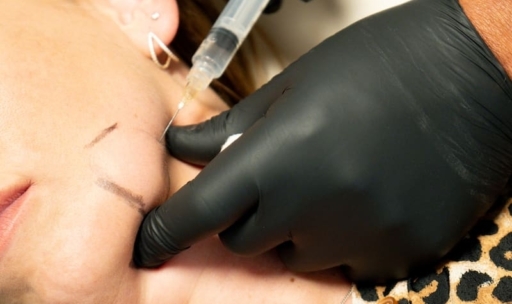
Aqualyx Fat Dissolving Injections

CoolSculpting Fat Freezing
Emerald Laser Fat Loss
LIPOcel Body Contouring

EMSCULPT Body Sculpting

About the Author
Considering treatment? Book a free consultation at our clinics in Mayfair London, Alderley Edge Cheshire, or Crosby Liverpool, or call 0800 009 6661.