
Sofwave Results Explained: When Results Appear, How Long They Last, and Why They Vary

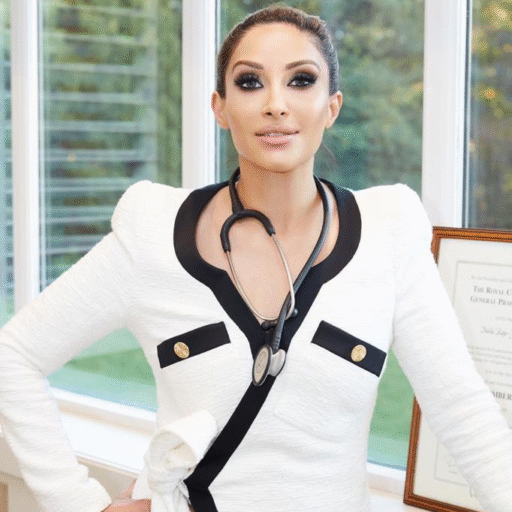
Clinical guidance from Dr Nyla Raja MBChB (Hons), MRCGP (Dist), DFFP, DPDermatology - GMC No. 6057913
Sofwave Results: At a Glance
Sofwave® is a non-surgical ultrasound skin-tightening treatment designed to stimulate collagen remodelling within the dermis. Rather than producing its final effect immediately, improvement typically develops gradually as the treated tissue responds and new collagen organisation takes place over the following weeks.
Sofwave results can continue to develop for approximately 12 weeks after treatment. Some patients notice changes earlier, while others see a more gradual improvement. Results may last for around a year or longer in some patients, although longevity varies according to age, skin quality, the treatment area, the degree of laxity, and the natural ageing process.
The important point is that one Sofwave treatment does not produce an identical result for everyone. The same technology can be applied to two patients with very different baseline skin quality, tissue structure, collagen reserves, and treatment objectives, so the degree and timing of visible improvement can differ considerably.
- Early changes: some patients notice subtle improvement within the first few weeks
- Main result development: commonly continues over approximately 12 weeks
- Longevity: results may last around a year or more in some patients
- Number of treatments: many patients begin with one treatment, although additional treatment may be considered where appropriate
- Main variables: age, skin quality, degree of laxity, treatment area, baseline collagen, and individual biological response
- Maintenance: may be considered as ageing continues and the effect gradually reduces
Sofwave can improve selected mild to moderate skin laxity, but it cannot stop ageing, remove significant excess skin, or reproduce the effect of surgical lifting.
How Do Sofwave Results Develop?
Sofwave uses proprietary SUPERB™ ultrasound technology to deliver controlled ultrasound energy within the dermis while integrated cooling protects the skin surface.
The treatment creates a controlled thermal response within the targeted tissue. This initiates a biological repair and remodelling process involving existing collagen and the production and reorganisation of structural proteins over time. Peer-reviewed research published in Dermatologic Surgery has evaluated high-intensity, high-frequency parallel ultrasound for facial lines and wrinkles, with outcomes assessed 12 weeks after treatment.
This process is important because collagen remodelling is gradual. The tissue does not complete its response at the end of the appointment. Our guide to how Sofwave works explains the ultrasound technology, mid-dermal targeting, and collagen-remodelling process in more detail.
Visible improvement can therefore continue developing for weeks after treatment, even though no additional procedure is being performed during that period.
The result is generally intended to be progressive rather than abrupt. Patients may notice a gradual improvement in skin firmness, texture, or the appearance of mild laxity rather than a sudden change in facial structure.

When Do Sofwave Results Appear?
Some patients notice a subtle change relatively early after Sofwave treatment, but the more meaningful result usually develops progressively.
The manufacturer indicates that improvement typically continues over approximately 12 weeks following treatment. This reflects the time required for collagen remodelling rather than an immediate mechanical lift.
A simplified timeline may look like this:
Immediately After Treatment
The skin may look largely unchanged, although some patients perceive an early sense of firmness. Temporary redness, warmth, or mild swelling can also influence how the area looks shortly after treatment. Our guide to Sofwave safety, side effects, and aftercare explains expected short-term reactions and recovery in more detail.
First Few Weeks
Subtle changes may begin to become more noticeable as the tissue response develops. The degree of visible improvement at this stage varies considerably.
Around 6–12 Weeks
This is often the period in which the treatment effect becomes easier to assess. Collagen remodelling continues, and improvement may become more apparent in skin firmness and selected areas of mild laxity.
After Approximately 12 Weeks
The result can be reviewed more meaningfully once sufficient time has been allowed for the biological response to develop. Further gradual change may still occur in some patients.
Clinical Note from Dr Nyla Raja
Sofwave should not be judged only by what the skin looks like immediately after treatment. The treatment relies on a biological remodelling response, so we generally allow time for that process to develop before deciding how much improvement has been achieved.
Why Do Some Patients Notice Sofwave Results Earlier Than Others?
Early improvement is not a reliable measure of the eventual result.
Some patients may perceive changes within the first few weeks, while others experience little obvious difference until later in the remodelling period.
Several factors may contribute:
- Baseline collagen quality
- Skin thickness
- Degree of laxity
- Age
- Treatment area
- Individual inflammatory and healing response
- Existing facial or body anatomy
- Previous aesthetic treatments
A patient with relatively good skin quality and mild laxity may notice a subtle refinement sooner because less change is required to make the skin appear firmer.
Another patient with more advanced laxity may require a greater degree of tissue remodelling before a visible difference becomes apparent.
Temporary changes immediately after treatment should also not be confused with the final collagen-mediated result.
Why Do Sofwave Results Continue to Improve for Around 12 Weeks?
The approximately 12-week period is related to the biology of collagen remodelling.
When controlled thermal energy is delivered into the dermis, the tissue enters a repair response. Fibroblast activity and collagen restructuring occur over time rather than within one appointment.
New collagen formation, reorganisation of existing collagen fibres, and changes in the extracellular tissue environment are gradual processes.
This is why evidence and manufacturer guidance around Sofwave results focus on outcomes developing over the following weeks rather than promising an immediate final effect.
It also means that repeating treatment too quickly simply because the result is not yet fully visible may be inappropriate. The initial treatment should be allowed sufficient time to develop before further treatment is considered.
How Long Do Sofwave Results Last?
Sofwave results may last for around a year or longer in some patients, but there is no fixed duration that applies to everyone.
Clinical research has also examined whether improvement persists beyond the initial remodelling period. A study published in the Journal of Cosmetic Dermatology assessed patients at three and six months following treatment and reported improvement across treated facial, submental, and neck areas at follow-up.
Longevity is influenced by:
- Age
- Baseline skin quality
- Degree of laxity before treatment
- Natural collagen decline
- Sun exposure
- Smoking
- General health and lifestyle
- Changes in weight
- Treatment area
- Individual biological response
The treatment may improve collagen structure, but it does not stop the underlying ageing process.
Collagen production and skin elasticity continue to change with age, and environmental factors such as ultraviolet exposure continue to affect the skin after treatment.
For that reason, results are better understood as an improvement that gradually becomes part of the patient’s ongoing ageing process rather than a permanent correction.

How Do Age and Skin Quality Affect Sofwave Results?
Age alone does not determine whether Sofwave will be effective, but it can influence the extent and predictability of the response.
Younger skin generally has greater collagen density and elasticity than older skin. As ageing progresses, collagen quantity, organisation, and skin elasticity decline.
This means two patients receiving technically similar treatment may not produce the same degree of visible tightening.
Mild Laxity and Relatively Good Skin Quality
Patients with early laxity and relatively good tissue quality may be well suited to non-surgical tightening because the aim is often subtle support and collagen stimulation rather than correction of substantial tissue descent.
More Advanced Laxity
Where skin laxity is more pronounced, Sofwave may still provide improvement in selected patients, but expectations need to be more conservative.
Repeated energy-based treatment cannot remove significant excess skin or reproduce the anatomical repositioning achieved through surgery.
Photodamaged or Thinner Skin
Long-term ultraviolet exposure, smoking, hormonal changes, and intrinsic ageing can all affect collagen quality. These factors may influence how strongly the skin responds and how long the improvement remains visible.
Does the Treatment Area Affect Sofwave Results?
Yes. Different anatomical areas have different skin thickness, underlying structures, movement patterns, and degrees of laxity.
Sofwave may be considered for selected areas including:
- Brow
- Lower face
- Jawline
- Neck
- Décolletage
- Selected body areas
The appearance of a softer jawline, for example, may be influenced by skin laxity, facial fat, volume loss, bone structure, or jowl formation. Improving skin firmness may help where laxity is an important contributor, but it cannot correct every anatomical cause of the concern.
Similarly, neck skin tightening requires assessment of the skin alongside submental fat, platysmal activity, and the amount of true excess tissue.
This is why results should be discussed according to the specific area rather than relying on generic before-and-after expectations.
Is One Sofwave Treatment Enough?
Many patients begin with one Sofwave treatment and then allow the result to develop over the following weeks.
However, one treatment does not guarantee the same outcome for every patient.
The manufacturer commonly describes treatment protocols involving one or two treatments depending on the individual and practitioner assessment.
Whether further treatment is considered can depend on:
- Baseline laxity
- Skin quality
- Response to the initial treatment
- Treatment area
- The degree of improvement being sought
- Whether expectations remain realistic
A second treatment should not automatically be interpreted as the first treatment having failed. Equally, additional sessions should not simply be prescribed because more treatment appears commercially attractive.
The appropriate decision is based on the result achieved and whether further ultrasound treatment is likely to provide useful additional benefit.
Do Sofwave Results Require Maintenance?
Maintenance treatment may be considered because skin ageing continues after the initial result develops.
Some patients may choose further treatment around a year later, while others may maintain their result for longer before considering another session.
There is no universal maintenance interval.
A sensible maintenance decision should consider:
- How well the initial result has lasted
- Current skin laxity
- Ageing since the previous treatment
- Changes in weight or health
- Sun exposure and skin quality
- Whether Sofwave remains the most appropriate treatment
Maintenance should therefore be assessment-led rather than scheduled automatically at fixed intervals.
What Results Should You Not Expect from Sofwave?
Sofwave is a skin-tightening treatment. It should not be expected to correct every cause of facial or body ageing.
It does not:
- Replace substantial lost facial volume
- Remove significant excess skin
- Remove localised fat
- Produce general weight loss
- Change underlying bone structure
- Provide the same degree of lifting as surgery
- Correct pigmentation simply by tightening the skin
- Resolve tear trough hollowing caused primarily by volume loss
For example, a patient concerned about facial hollowing may require assessment for dermal filler treatment or another volume-restoration approach rather than additional skin tightening.
Where the main issue is substantial excess skin, repeated energy-based treatment may produce limited benefit and a surgical opinion may be more appropriate.
Why Treatment Planning Has Such a Large Effect on Sofwave Results
Device technology is only one part of the outcome.
Good treatment planning requires the practitioner to establish:
- Whether skin laxity is the primary concern
- Which anatomical regions require treatment
- Whether the patient’s expectations are realistic
- Whether another treatment would address the concern more directly
- Previous energy-based or injectable treatments
- Relevant medical history
- Skin condition and tissue quality
- Whether one treatment or further treatment may eventually be appropriate
This is particularly important when comparing Sofwave with other technologies and deciding who is suitable for Sofwave.
Morpheus8, Ultherapy, and Sofwave can all be considered within non-surgical rejuvenation, but they use different technologies and should not be selected simply according to which treatment produces the most dramatic marketing imagery.
Clinical Note from Dr Nyla Raja
The most useful Sofwave result is one that is appropriate for the patient’s anatomy. We assess the quality and distribution of laxity first, because skin tightening cannot compensate for every form of facial ageing, volume loss, or significant excess skin.

Book in a Free Consultation With Our Expert Team
- Award-winning, doctor-led aesthetic clinics
- Locations in London, Cheshire, and Liverpool
- Over 50 non-surgical treatments available
- Free consultation with a personalised plan
Sofwave Results FAQs
How quickly do Sofwave results appear?
Some patients notice subtle changes within the first few weeks, but improvement generally develops gradually. The manufacturer indicates that results commonly continue developing over approximately 12 weeks.
Are Sofwave results immediate?
The final result is not immediate. Any early change should be distinguished from the longer-term collagen remodelling process that develops after treatment.
When are Sofwave results usually at their best?
The result is often more meaningful to assess at around 12 weeks because sufficient time has passed for collagen remodelling to develop. Individual timelines vary.
How long does Sofwave last?
Results may last around a year or longer in some patients, although longevity varies according to age, skin quality, lifestyle, treatment area, and the natural ageing process.
Can Sofwave results continue improving after three months?
They can in some patients. Approximately 12 weeks is a useful general timeframe for assessing the developing result, but biological remodelling does not occur according to an identical timetable in every person.
Why did my friend see a bigger Sofwave result than I did?
Baseline anatomy, skin quality, collagen density, degree of laxity, age, treatment area, and biological response all vary between patients. The same procedure therefore does not produce an identical degree of visible change in everyone.
Does older skin take longer to respond to Sofwave?
It may. Older skin generally has different collagen density and elasticity from younger skin, but chronological age alone does not determine the result. Overall skin quality and degree of laxity are also important.
Will I need a second Sofwave treatment?
Not necessarily. Many patients begin with one treatment and allow the result to develop before deciding whether further treatment would be useful. Manufacturer protocols may involve one or two treatments depending on individual circumstances.
How often should Sofwave maintenance be performed?
There is no fixed maintenance schedule. Some patients may consider further treatment after approximately a year, while others wait longer. Reassessment is preferable to automatically repeating treatment at a predetermined interval.
Can Sofwave replace a facelift?
No. Sofwave can improve selected mild to moderate skin laxity but cannot remove significant excess skin or reproduce the degree of tissue repositioning possible with surgical treatment.
Sofwave Results: Gradual Improvement Rather Than an Immediate Final Effect
Sofwave results develop progressively because the treatment relies on collagen remodelling rather than an immediate mechanical lift. Some patients notice early changes, but the manufacturer indicates that improvement typically continues over approximately 12 weeks.
Results may remain visible for around a year or longer, although this varies substantially between patients. Age, skin quality, degree of laxity, anatomy, treatment area, lifestyle, and individual collagen response all influence both the extent and duration of improvement.
One treatment therefore cannot be expected to create the same result for everybody. Appropriate patient selection, realistic expectations, and allowing sufficient time for the biological response to develop are central to assessing Sofwave properly.
If you are considering Sofwave, you can book a free consultation at Dr Nyla Medispa in Mayfair London, Alderley Edge Cheshire, or Crosby Liverpool to discuss suitability and an individual treatment plan.
Need Guidance in Selecting the Most Appropriate Treatment?
Related Treatments

Sofwave Skin Tightening

XERF Skin Tightening
Ultherapy Skin Tightening
Ultraformer 3 HIFU Skin Tightening

Morpheus8 RF Microneedling
About the Author
Considering treatment? Book a free consultation at our clinics in Mayfair London, Alderley Edge Cheshire, or Crosby Liverpool, or call 0800 009 6661.