
Sofwave Explained: How It Works, What It Treats, and What Results to Expect

Clinical guidance from Dr Nyla Raja MBChB (Hons), MRCGP (Dist), DFFP, DPDermatology - GMC No. 6057913
Sofwave: At a Glance
Sofwave is a non-invasive ultrasound skin tightening treatment designed to improve selected signs of skin laxity, fine lines, and wrinkles by delivering controlled thermal energy into the mid-dermis. It uses proprietary Synchronous Ultrasound Parallel Beam technology, known as SUPERB™, to create defined zones of heating within the dermal tissue while integrated surface cooling helps protect the epidermis.
Unlike treatments designed primarily to remove fat, replace lost facial volume, or resurface the skin, Sofwave is principally a collagen-remodelling treatment. The objective is to stimulate a biological response within the dermis so that the skin becomes progressively firmer over the weeks and months following treatment.
This distinction is important when setting expectations. Sofwave does not produce the mechanical repositioning of a surgical facelift, it does not replace volume in hollow areas, and it is not intended to reduce substantial pockets of facial or body fat. Its role is more specific: improving appropriate forms of skin laxity and supporting gradual dermal remodelling in suitable patients.
Results and suitability vary between patients. An individual assessment is necessary to determine whether skin laxity is the principal concern and whether Sofwave is an appropriate treatment.
What Is Sofwave?
Sofwave is an energy-based aesthetic treatment that uses ultrasound rather than laser or radiofrequency energy.
Its proprietary SUPERB™ — Synchronous Ultrasound Parallel Beam — technology is designed to deliver controlled ultrasound energy into the dermis without intentionally treating the deeper subcutaneous fat layer.
This makes Sofwave fundamentally different from procedures whose principal objective is fat reduction, tissue volumisation, or ablative skin resurfacing.
The treatment is most relevant where the clinical concern involves mild to moderate skin laxity, fine lines, wrinkles, or a progressive loss of dermal firmness.

How Does Sofwave Work?
Sofwave passes ultrasound energy through the surface of the skin and concentrates thermal energy within selected areas of the dermis.
The energy creates controlled zones of heating rather than uniformly heating every layer of tissue. This thermal stimulation initiates a repair response within the treated dermis.
Existing collagen fibres undergo a controlled thermal response, while the subsequent healing process encourages longer-term remodelling of the extracellular matrix. Over time, this can improve skin firmness and the appearance of selected wrinkles and laxity.
The system also incorporates Sofcool™ contact cooling, which is designed to protect the epidermal surface during treatment and monitor skin temperature.
This combination of dermal heating and surface cooling is central to how Sofwave is designed to deliver energy to the intended tissue while limiting unnecessary heating of the skin surface.
Why Does Sofwave Target the Mid-Dermis?
The dermis is the supportive layer of skin beneath the epidermis. It contains collagen, elastin, blood vessels, and extracellular matrix components that contribute to the skin’s strength, elasticity, and structure.
Sofwave’s ultrasound energy is centred at approximately 1.5 mm within the mid-dermal region. This relatively superficial targeting is an important distinction from ultrasound technologies designed to reach deeper tissue planes.
By concentrating treatment within the dermis, Sofwave aims to stimulate skin remodelling without relying on significant treatment of the deeper facial fat compartments.
This matters clinically because facial ageing is not caused by one process. Skin laxity, volume loss, fat redistribution, skeletal change, and muscle activity can all contribute to an ageing appearance. A treatment directed primarily at the dermis should therefore not be expected to correct every one of these factors.
How Does Sofwave Stimulate Collagen Remodelling?
Collagen is a structural protein that contributes to the strength and organisation of the dermis. With ageing, collagen quantity, quality, and organisation change, while skin becomes progressively less firm.
Controlled thermal stimulation can trigger a wound-healing response without creating an open wound at the skin surface. The treated tissue subsequently undergoes a process of repair and remodelling.
This process is commonly described as neocollagenesis and collagen remodelling. It does not happen immediately. Fibroblast activity, extracellular matrix turnover, and structural reorganisation take place gradually after treatment.
This is one of the reasons clinical research on ultrasound skin tightening tends to assess results over weeks and months rather than immediately after the procedure.
Clinical Note from Dr Nyla Raja
The important distinction with collagen-stimulating treatments is that treatment day is the beginning of the biological process rather than the end result. We assess the skin, underlying anatomy, and degree of laxity before treatment because the quality of the eventual result depends partly on whether the concern is genuinely one that dermal remodelling can improve.

What Can Sofwave Treat?
Sofwave is principally used to address selected forms of skin laxity, fine lines, wrinkles, and loss of skin firmness.
On the face, this may include early softening around the lower face and jawline, selected facial wrinkles, and reduced firmness through the cheeks or brow region. Treatment may also be considered for laxity beneath the chin and through the neck.
For patients concerned about sagging jowls, the likely response depends on what is producing the appearance. Mild skin laxity may respond differently from jowling caused predominantly by facial volume loss, heavy soft tissue, skeletal anatomy, or significant tissue descent.
The same principle applies throughout aesthetic medicine: the visible concern should be matched to the tissue causing it.
What Areas Can Sofwave Treat?
Sofwave can be used across selected facial and body areas according to the clinical indication, treatment protocol, and individual assessment.
Common facial areas include the brow, cheeks, lower face, jawline, submental region beneath the chin, and neck. The décolletage may also be considered where the primary concern is skin quality and laxity.
Selected body areas can also be treated where suitable. However, body skin laxity is particularly variable, and the expected improvement depends on the degree of loose skin, tissue thickness, previous weight change, and size of the area.
A patient with modest crepiness or mild laxity is clinically different from somebody with substantial redundant skin following major weight loss. In the latter situation, energy-based skin tightening has important limitations.
What Does Sofwave Not Do?
Understanding what Sofwave does not treat is as important as understanding its potential benefits.
Sofwave Does Not Replace Lost Facial Volume
If hollowing, flattening of the mid-face, or loss of structural support is the dominant concern, tightening the skin does not restore that missing volume. Selected patients may instead require an assessment for treatments designed specifically for facial volume restoration.
Sofwave Does Not Remove Significant Facial or Body Fat
Sofwave is not designed as a fat-reduction treatment. It should not be presented as a method of removing a double chin, reducing abdominal fat, or producing weight loss.
This is particularly relevant around the jawline, where fullness beneath the chin and skin laxity can coexist but require different treatment strategies.
Sofwave Does Not Resurface the Skin Like an Ablative Laser
Because the treatment does not intentionally remove the epidermal surface, it should not be expected to produce the same resurfacing effect as ablative laser procedures.
Concerns such as significant pigmentation, marked textural damage, or deeper acne scarring may require a different treatment approach.
Sofwave Does Not Correct Every Under-Eye Concern
The under-eye area can be affected by hollowing, pigmentation, visible vessels, skin laxity, fluid retention, and prominent fat pads. Tightening one tissue layer cannot address every one of these causes.
Patients with complex under-eye concerns therefore benefit from diagnosis before choosing treatment.
Sofwave Does Not Replicate a Surgical Facelift
Sofwave may improve selected mild or moderate laxity, but it cannot remove excess skin or reposition deeper facial tissues to the extent possible with surgery.
Where tissue descent or excess skin is advanced, repeated non-surgical treatment should not be presented as equivalent to surgical correction.
What Results Can You Expect from Sofwave?
The most appropriate expectation is progressive improvement rather than a sudden change in facial structure.
In suitable patients, treatment may produce improved skin firmness, a smoother appearance to selected wrinkles, and a subtle lifting effect as collagen remodelling develops.
The degree of change varies according to age, skin quality, baseline laxity, anatomy, treatment area, biological response, and previous treatments.
Some patients may notice an early change after treatment. This should not be confused with the mature result. Temporary tissue responses immediately after energy-based procedures can alter the way the skin looks before longer-term collagen remodelling has occurred.
The more meaningful result develops progressively over the following weeks and months. For a more detailed breakdown of the treatment timeline, longevity, and factors that can influence the outcome, see our guide to Sofwave results.

Why Are Sofwave Results Gradual Rather Than Instant?
Sofwave does not physically pull the skin into a new position. Its principal mechanism depends on a biological response to controlled thermal stimulation.
That response takes time.
Collagen fibres and the wider extracellular matrix undergo progressive remodelling after treatment. New collagen formation, structural reorganisation, and changes in dermal quality occur over a period of weeks rather than hours.
Patients therefore should not judge the final outcome immediately after leaving the clinic.
This gradual progression is also why before-and-after photography is most useful when images are taken under consistent conditions and at appropriate intervals after treatment.
How Many Sofwave Sessions Are Usually Needed?
Many Sofwave treatment plans begin with one session. Some patients may subsequently have a second treatment depending on the initial indication, response, degree of laxity, and longer-term treatment objectives.
A predetermined course is not appropriate for every patient.
Someone with relatively mild facial laxity may have different requirements from a patient treating the neck, décolletage, or a larger body area. Previous treatments and the degree of improvement sought also influence planning.
Repeat treatment should therefore follow clinical reassessment rather than being assumed before the response to the initial procedure is known.
Is There Downtime After Sofwave?
Sofwave is non-invasive, meaning there are no surgical incisions and no needles entering the skin as part of the ultrasound delivery itself.
Many patients can return to normal daily activities relatively quickly. Temporary redness, warmth, tenderness, swelling, or sensitivity can occur after energy-based treatment, although the experience varies between individuals.
Minimal downtime does not mean a treatment is risk-free. Appropriate assessment, device training, treatment settings, consent, and aftercare remain important. Our guide to Sofwave safety, side effects, and aftercare explains expected reactions, contraindications, recovery, and aftercare in more detail.
The NHS guidance on choosing a cosmetic practitioner recommends considering practitioner qualifications, training, experience, insurance, and aftercare before undergoing cosmetic treatment.
Who Is Suitable for Sofwave?
Sofwave is generally most relevant to patients whose concern is predominantly related to mild to moderate skin laxity or declining dermal firmness and who understand the limitations of a non-surgical treatment.
Suitability depends on the treatment area, skin condition, medical history, previous procedures, anatomy, and expected outcome. Our guide to who is suitable for Sofwave explains these patient-selection factors in more detail.
Patients with substantial excess skin may be unlikely to achieve the degree of correction they want with an energy-based procedure alone. Equally, patients whose main concern is volume loss, unwanted fat, pigmentation, or muscular activity may require an entirely different treatment strategy.
The purpose of consultation is therefore not simply to decide whether somebody “can have Sofwave”. It is to establish whether Sofwave addresses the tissue responsible for the concern.
How Is Sofwave Different from Ultherapy and Morpheus8?
Sofwave, Ultherapy, and Morpheus8 may all appear in discussions about non-surgical tightening, but they are not versions of the same procedure.
Sofwave uses synchronous ultrasound energy targeted predominantly within the mid-dermis.
Ultherapy is a branded microfocused ultrasound treatment designed to deliver energy at selected deeper tissue depths and incorporates real-time ultrasound visualisation.
Morpheus8 combines microneedling with radiofrequency energy and therefore uses a different method of delivering thermal energy into the skin and underlying tissue.
The appropriate technology depends on the anatomy, concern, degree of laxity, skin quality, downtime preferences, and treatment objective. Our detailed guide to Morpheus8 vs Ultherapy vs Sofwave explains these distinctions in greater depth.
Choosing between them solely according to which device appears newest or which treatment costs more is not a clinically useful approach.
Why Clinical Assessment Matters Before Sofwave
Skin laxity rarely exists in isolation.
A softer lower face, for example, can result from changes in the skin, facial fat compartments, bone structure, muscle activity, volume distribution, or several of these factors occurring together.
If the main problem is volume loss, tightening the dermis alone may produce limited improvement. If significant excess skin is present, the patient may need to understand the limits of non-surgical treatment. If fullness beneath the jaw is predominantly caused by fat, a skin-tightening treatment may be addressing the wrong tissue.
At Dr Nyla Medispa, Sofwave is provided within a doctor-led, medically regulated clinic. Treatment planning is based on assessment of the individual rather than using one device for every ageing concern.
Clinical Note from Dr Nyla Raja
Good skin-tightening treatment begins with diagnosis. We assess whether the visible change is being driven mainly by skin laxity, volume loss, fat, underlying structure, or a combination of factors. Sofwave can be very useful when the indication is appropriate, but its value depends on selecting the right patient and setting realistic expectations.

Book in a Free Consultation With Our Expert Team
- Award-winning, doctor-led aesthetic clinics
- Locations in London, Cheshire, and Liverpool
- Over 50 non-surgical treatments available
- Free consultation with a personalised plan
Sofwave FAQs
Is Sofwave a laser?
No. Sofwave uses ultrasound energy. It is not a laser treatment.
Is Sofwave the same as HIFU?
No. Sofwave is a specific branded ultrasound system using SUPERB™ technology with mid-dermal targeting. Other ultrasound and HIFU devices can operate at different depths and use different treatment protocols.
Does Sofwave melt facial fat?
Sofwave is not designed as a facial fat-reduction treatment. Its primary target is the dermis rather than the deeper subcutaneous fat layer.
Can Sofwave tighten the jawline?
It may improve the appearance of the lower face where mild or moderate skin laxity is contributing to reduced definition. It cannot change the underlying jaw bone or correct every cause of jowling.
Can Sofwave treat the neck?
Yes, the neck and submental region can be treated in appropriately selected patients. The degree of improvement depends on the amount of laxity and the other anatomical factors contributing to the appearance.
Can Sofwave be used on the body?
Selected body areas may be treated where clinically appropriate. Suitability depends particularly on the extent of laxity, tissue thickness, previous weight change, and the size of the treatment area.
How soon do Sofwave results appear?
Some patients may notice an early change, but the principal result develops gradually as collagen remodelling progresses over the following weeks and months.
How long do Sofwave results last?
Results are not permanent because skin ageing continues. Longevity varies according to age, skin quality, lifestyle, treatment response, and subsequent ageing. Maintenance treatment may be considered following reassessment.
Is one Sofwave treatment enough?
Many treatment plans begin with one session. Whether further treatment is appropriate depends on the response, treatment area, baseline laxity, and individual objectives.
Is Sofwave better than Ultherapy or Morpheus8?
There is no universally superior option. The treatments use different technologies and tissue targets, so the most appropriate choice depends on the anatomy and concern being treated.
Sofwave Explained: The Importance of Treating the Right Tissue
Sofwave is a technically distinct ultrasound treatment designed to deliver controlled thermal energy into the mid-dermis and stimulate gradual collagen remodelling.
Its principal role is the treatment of selected skin laxity, fine lines, wrinkles, and declining dermal firmness. It does not restore lost facial volume, remove significant fat, resurface the skin like an ablative laser, or reproduce the tissue repositioning achieved by surgery.
The gradual nature of Sofwave results reflects its mechanism. The treatment initiates a biological remodelling process, and the visible outcome develops as the dermis responds over time.
For patients considering treatment, the most important step is determining whether skin laxity is genuinely the principal cause of the concern. You can book a free consultation at Dr Nyla Medispa in Mayfair London, Alderley Edge Cheshire, or Crosby Liverpool to discuss suitability and an individual treatment plan.
Need Guidance in Selecting the Most Appropriate Treatment?
Related Treatments

Sofwave Skin Tightening

XERF Skin Tightening
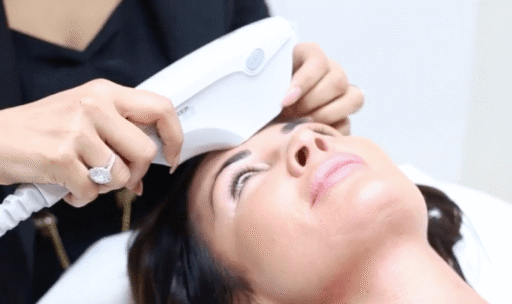
Ultherapy Skin Tightening
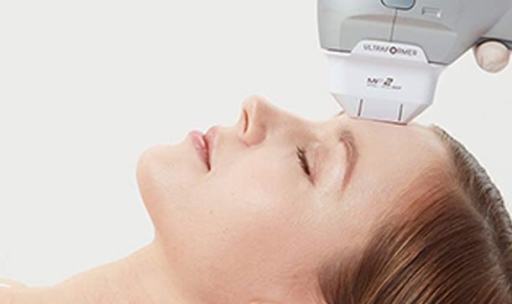
Ultraformer 3 HIFU Skin Tightening

Morpheus8 RF Microneedling
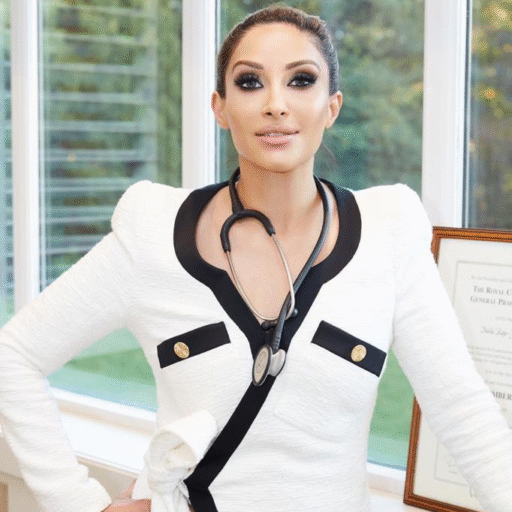
About the Author
Considering treatment? Book a free consultation at our clinics in Mayfair London, Alderley Edge Cheshire, or Crosby Liverpool, or call 0800 009 6661.