
Sofwave Safety, Side Effects, and Aftercare

Clinical guidance from Dr Nyla Raja MBChB (Hons), MRCGP (Dist), DFFP, DPDermatology - GMC No. 6057913
Sofwave Safety, Side Effects, and Aftercare: At a Glance
Sofwave is a non-invasive ultrasound treatment used for selected concerns including facial lines, wrinkles, and skin laxity. It delivers controlled ultrasound energy into the dermis while using integrated cooling to protect the skin surface. It is not a laser treatment.
Sofwave is often described as a low-downtime skin tightening treatment. For many patients, this means normal activities can be resumed quickly, with temporary redness, swelling, or tenderness being among the more expected reactions. However, low downtime does not mean that treatment is completely free from discomfort, contraindications, or potential adverse effects.
Appropriate patient selection, treatment planning, device training, and aftercare remain important. Sofwave’s published safety information notes that potential adverse events can include significant pain or tenderness, pigmentation changes, persistent redness or swelling, bruising, and, in some cases, skin erosion or ulceration.
- Common short-term reactions: redness, mild swelling, tenderness, and sensitivity
- Downtime: usually limited, although individual responses vary
- Less common or more significant adverse effects: persistent redness or swelling, bruising, pigmentation changes, significant pain, and skin injury
- Contraindications: include open wounds or lesions, severe or cystic acne in the treatment area, and certain implanted electronic devices in the area
- Precautions: include pregnancy, breastfeeding, active infection or skin disease, some medications, implants, significant scarring, and recent aesthetic treatments
- Aftercare: is generally straightforward but should follow the practitioner’s individual instructions
Sofwave suitability should be established before treatment. The absence of surgical incisions or prolonged recovery does not remove the need for medical history, informed consent, appropriate treatment settings, and access to clinical support if an unexpected reaction develops.
Is Sofwave Safe?
Sofwave has been evaluated in clinical studies for aesthetic indications including facial wrinkles and skin laxity. Published studies have generally reported a favourable short-term safety profile, with reactions tending to be temporary.
For example, clinical research on Sofwave treatment for facial skin laxity reported improvement following treatment without identifying serious treatment-related safety concerns in the study cohort. Other studies of high-intensity parallel ultrasound have similarly reported predominantly temporary reactions.
That evidence should still be interpreted appropriately. Clinical studies involve defined patient populations, controlled treatment protocols, and relatively modest numbers of patients. They cannot establish that an adverse effect is impossible.
This distinction is particularly important when a procedure is described as having “minimal” or “little” downtime. Those terms refer primarily to recovery and interruption to normal activity, rather than an absence of medical risk.
How Does Sofwave Work?
Sofwave uses synchronous parallel ultrasound energy to produce controlled thermal effects within the dermis. This thermal stimulation is intended to initiate collagen remodelling while preserving the skin surface.
The treatment incorporates contact cooling and skin-temperature monitoring to help protect the epidermis while energy is being delivered. For a fuller explanation of the ultrasound technology, treatment depth, and collagen response, see our guide to how Sofwave works.
This differs from ablative procedures that deliberately remove or disrupt the surface of the skin. The epidermis remaining intact helps explain why visible recovery after Sofwave is usually limited.
However, thermal energy is still being delivered into tissue. Appropriate settings, skin contact, treatment mapping, and practitioner training therefore remain important.

What Are the Most Common Sofwave Side Effects?
Expected short-term responses can include:
- Redness
- Mild swelling
- Tenderness
- Temporary sensitivity
- Warmth in the treated area
- Discomfort during treatment
The intensity and duration vary between patients and treatment areas.
A prospective study of high-intensity parallel ultrasound in Asian patients reported transient erythema and oedema following treatment, with the reactions resolving during follow-up. This supports the broader clinical observation that visible side effects are commonly temporary, while also demonstrating that some degree of inflammation should be expected in a proportion of patients.
How Long Do Redness and Swelling Last After Sofwave?
Temporary redness can develop because controlled energy creates a local tissue response. Mild swelling can occur for the same reason.
For many patients, visible redness settles within hours. Swelling can also be brief, although some individuals may notice residual puffiness or sensitivity for longer.
The amount of visible reaction can depend on:
- Treatment area
- Individual skin response
- Energy settings and treatment protocol
- Previous procedures in the area
- Baseline skin sensitivity
Redness or swelling that is becoming more pronounced rather than improving, particularly when accompanied by significant pain or skin changes, should be assessed by the treating clinic.
Is Sofwave Painful?
Sofwave is non-invasive, but it should not be described as sensation-free.
Patients may experience brief pulses of heat or discomfort as ultrasound energy is delivered. Treatment sensation varies considerably according to the individual, anatomical area, treatment settings, and pain threshold.
Published Sofwave studies have recorded moderate average discomfort scores in some patient groups. This is another reason that “no downtime” and “painless” should not be used interchangeably.
After treatment, mild tenderness or sensitivity can persist temporarily. Severe, increasing, or prolonged pain is different from routine post-treatment sensitivity and warrants clinical review.
Clinical Note from Dr Nyla Raja
A low-downtime procedure still needs appropriate clinical assessment and consent. We explain the expected treatment sensation, normal temporary reactions, and the less common complications that would require review before a patient decides whether to proceed.
What Less Common or More Significant Sofwave Side Effects Can Occur?
The manufacturer’s published Sofwave safety information lists potential ultrasound-related adverse events including:
- Significant pain
- Persistent tenderness
- Persistent redness
- Persistent swelling
- Changes in skin pigmentation
- Bruising
- Ulceration or erosion of the skin
Thermal skin injury is also an important consideration with any procedure that creates controlled heat within tissue.
Post-market adverse-event reporting is useful here. The US Food and Drug Administration has received reports involving Sofwave treatment, including a report of a superficial burn followed by hyperpigmentation.
Individual adverse-event reports do not establish how often a complication occurs or prove that the device itself caused the event. They do, however, reinforce an important point: non-invasive does not mean incapable of causing skin injury.
Any suspected burn, blistering, skin breakdown, pronounced colour change, or unexpectedly severe pain should be reviewed promptly.
Who Should Not Have Sofwave?
According to the manufacturer’s current Sofwave contraindications and safety guidance, treatment is contraindicated in certain circumstances, including:
- Open wounds or lesions within the intended treatment area
- Severe or cystic acne within the intended treatment area
- Pacemakers or electronic device implants in the area being treated
A practitioner should check for these issues before treatment rather than relying on the patient to identify contraindications independently. Our guide to who is suitable for Sofwave looks more broadly at patient selection, anatomy, treatment goals, and when another approach may be more appropriate.
When Might Sofwave Require Extra Caution or Be Postponed?
The manufacturer also lists a number of precautions that require consideration during assessment. These include circumstances such as:
- Pregnancy, planned pregnancy, recent childbirth, or breastfeeding
- An active local or systemic infection
- Active skin disease that may interfere with healing
- Significant scarring in the proposed treatment area
- Certain metal implants or stents in the facial area
- Recent or current use of certain medicines
- Recent retinoid or isotretinoin treatment
- Dermal filler within the proposed treatment area
- Any medical or psychological condition that could make treatment inappropriate
This does not mean that every item automatically excludes treatment permanently. It means it needs to be identified and assessed before proceeding.
In particular, patients taking anticoagulant or antiplatelet medicines should never stop prescribed medication simply to undergo an aesthetic procedure. Medication changes should only be made on the advice of the clinician responsible for prescribing them.
Previous dermal filler, energy-based procedures, surgery, or other aesthetic treatments should also be disclosed so that the practitioner can assess treatment timing and anatomical overlap.
What Is the Recommended Aftercare Following Sofwave?
Sofwave generally requires relatively little formal aftercare compared with procedures that disrupt the skin surface.
Patients are often able to resume normal daily activities soon after treatment. However, the treated area should still be monitored, and individual instructions from the treating practitioner take priority.
Practical aftercare may include:
- Keeping the treated skin clean and avoiding unnecessary friction if it feels sensitive
- Using gentle skincare while redness or tenderness is present
- Applying appropriate daily sun protection
- Avoiding unnecessary heat exposure if the skin remains noticeably warm or irritated
- Not picking, rubbing, or manipulating an area that becomes irritated
- Following any specific instructions relating to other recent aesthetic treatments
- Contacting the clinic if symptoms are more pronounced or persistent than expected
The manufacturer states that patients can generally return to normal activities immediately after Sofwave and that make-up can usually be applied after treatment. Where the skin is unusually irritated, however, clinical advice should take priority over a standard recovery timetable.

What Should You Expect in the Hours and Days After Sofwave?
Immediately After Treatment
The skin may appear normal or mildly flushed. Some patients notice warmth, tenderness, or slight swelling.
During the First 24 Hours
Redness and sensitivity would generally be expected to settle rather than progressively worsen. Many patients continue normal work and social activity.
Over the Following Days
Residual tenderness or swelling can take longer to resolve in some patients. The absence of visible peeling or wounds does not mean nothing has happened beneath the surface; collagen remodelling is a gradual biological process.
Over the Following Weeks and Months
Sofwave results are not usually assessed immediately after treatment. Changes related to collagen remodelling develop progressively, so early swelling should not be mistaken for the final result.
The number of treatments required also varies. Many patients begin with one treatment, while an additional session may be considered according to the indication, response, and individual treatment plan.
When Should You Contact the Clinic After Sofwave?
Patients should be given a clear route to clinical support after treatment.
Contact your treating clinic if you develop:
- Significant or increasing pain
- Marked or worsening swelling
- Redness that becomes increasingly intense rather than settling
- Blistering or a suspected burn
- Skin erosion, ulceration, or breakdown
- New or pronounced pigmentation changes
- Unexpected bruising or another reaction that causes concern
Patients treated at Dr Nyla Medispa who are concerned about a reaction following treatment should contact the clinic or call 0800 009 6661 rather than waiting for a routine review.
For a medical emergency, call 999.
How to Choose a Safe Sofwave Practitioner
Device technology is only one part of treatment safety. The quality of the assessment and the competence of the practitioner are also important.
Before undergoing Sofwave, establish:
- Whether the practitioner has specific training in the Sofwave system
- Whether a proper medical and treatment history will be taken
- How contraindications and previous procedures are assessed
- Who is responsible for clinical oversight
- How treatment settings are selected
- Whether the clinic uses genuine Sofwave equipment and consumables
- What aftercare and review are provided
- How complications would be assessed and managed
- Who can be contacted if a problem occurs after treatment
The NHS guidance on choosing a cosmetic practitioner recommends checking training, experience, insurance, and aftercare arrangements before proceeding with a cosmetic procedure.
At Dr Nyla Medispa, Sofwave is provided within a doctor-led, medically regulated clinic. Treatment planning is individualised according to skin laxity, anatomy, medical history, previous procedures, and the degree of change that can reasonably be expected.
Patients comparing ultrasound and energy-based treatments can also read our clinical guide to Morpheus8 vs Ultherapy vs Sofwave, as these technologies have different mechanisms, treatment depths, indications, and recovery profiles.

Book in a Free Consultation With Our Expert Team
- Award-winning, doctor-led aesthetic clinics
- Locations in London, Cheshire, and Liverpool
- Over 50 non-surgical treatments available
- Free consultation with a personalised plan
Sofwave Safety, Side Effects, and Aftercare FAQs
Is Sofwave safe?
Sofwave has been evaluated in clinical studies and has generally demonstrated a favourable safety profile when used appropriately. However, it is an energy-based medical aesthetic treatment with recognised contraindications, precautions, and potential adverse effects.
What is the most common side effect of Sofwave?
Temporary redness, mild swelling, tenderness, warmth, and sensitivity are among the more expected short-term reactions. Their severity and duration vary between patients.
Can Sofwave cause burns?
Thermal skin injury is possible with energy-based treatment. Sofwave incorporates cooling and temperature monitoring intended to protect the epidermis, but post-market reports have included burns. Blistering, severe pain, or suspected thermal injury requires prompt clinical review.
Can Sofwave cause hyperpigmentation?
Pigmentation change is listed among the potential adverse events associated with Sofwave treatment. New or persistent darkening or lightening of the skin should be assessed by the treating practitioner.
How much downtime is there after Sofwave?
Downtime is usually limited. Many patients can return to normal activities immediately or shortly afterwards. Mild redness, swelling, or tenderness can nevertheless occur, so low downtime should not be interpreted as no recovery response.
Can I wear make-up after Sofwave?
The manufacturer states that make-up can generally be applied after treatment. If your skin is unusually red, painful, or irritated, follow the individual advice provided by your practitioner.
Can you have Sofwave over dermal filler?
The manufacturer’s safety guidance states that treatment is not recommended directly over areas containing dermal filler. Previous filler should therefore be disclosed during consultation so treatment location and timing can be assessed appropriately.
Can I have Sofwave while pregnant?
Pregnancy is listed as a precaution in the manufacturer’s safety information. Elective aesthetic treatment would generally be postponed rather than undertaken during pregnancy.
How long does swelling last after Sofwave?
Mild swelling is generally temporary and may settle within hours or over the following days. Increasing, marked, or persistent swelling should be discussed with the treating clinic.
What should I avoid after Sofwave?
There is usually little formal downtime. Follow your practitioner’s instructions, use sensible sun protection, and avoid unnecessary irritation, rubbing, or excessive heat while the skin remains sensitive.
Is Sofwave safer than Ultherapy or Morpheus8?
They are different technologies, so a simple safety ranking is not clinically useful. Sofwave uses ultrasound, Ultherapy uses microfocused ultrasound with imaging, and Morpheus8 combines microneedling with radiofrequency. Risks, treatment depths, suitability, and recovery differ between them.
Sofwave Safety: Low Downtime Does Not Mean No Risk
Sofwave is designed as a non-invasive treatment with relatively limited visible recovery, and most expected reactions are temporary. Redness, swelling, tenderness, and treatment discomfort can occur, while less common potential adverse effects include persistent inflammation, pigmentation changes, bruising, significant pain, and skin injury.
Safe treatment depends on more than the device itself. Patient selection, medical history, contraindication screening, practitioner training, appropriate settings, informed consent, and access to aftercare all matter.
Patients should therefore be cautious of descriptions that reduce Sofwave to a completely risk-free or “no downtime” procedure. A more accurate expectation is that it is a low-downtime treatment with recognised precautions and potential adverse effects.
If you are considering treatment, you can book a free consultation at Dr Nyla Medispa in Mayfair London, Alderley Edge Cheshire, or Crosby Liverpool to discuss suitability, expected recovery, potential risks, and an individual treatment plan.
Need Guidance in Selecting the Most Appropriate Treatment?
Related Treatments

Sofwave Skin Tightening

XERF Skin Tightening
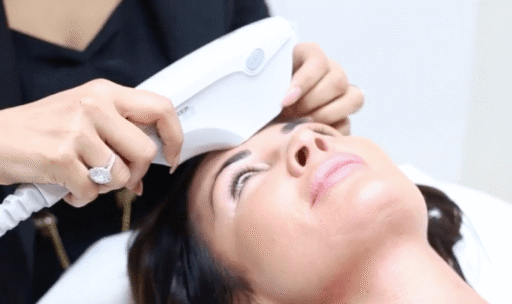
Ultherapy Skin Tightening
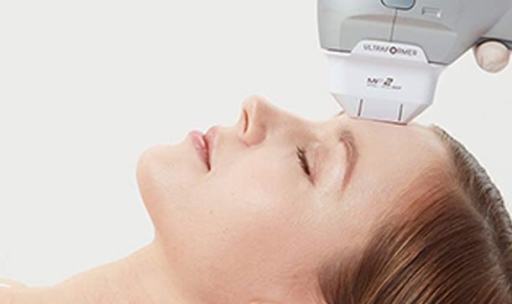
Ultraformer 3 HIFU Skin Tightening

Morpheus8 RF Microneedling

About the Author
Considering treatment? Book a free consultation at our clinics in Mayfair London, Alderley Edge Cheshire, or Crosby Liverpool, or call 0800 009 6661.