
CoolSculpting Safety, Side Effects, and Recovery: What Patients Should Know

Clinical guidance from Dr Nyla Raja MBChB (Hons), MRCGP (Dist), DFFP, DPDermatology - GMC No. 6057913
CoolSculpting Safety, Side Effects, and Recovery: At a Glance
CoolSculpting is a non-surgical fat freezing treatment that uses controlled cooling, or cryolipolysis, to reduce selected areas of subcutaneous fat. Most side effects are temporary and confined to the treatment area, but patients should understand both the expected recovery and the uncommon complications that can occur.
Common short-term effects include redness, swelling, tenderness, bruising, firmness, aching, tingling, numbness, and altered skin sensation. These usually improve over days or weeks. Temporary numbness or sensitivity can last longer than visible redness or swelling in some patients.
One of the most important rare complications is paradoxical adipose hyperplasia (PAH), in which the treated fat area enlarges rather than reduces. PAH typically develops several months after treatment, does not behave like ordinary post-treatment swelling, and may require surgical correction.
- Common effects: redness, swelling, bruising, tenderness, aching, and firmness
- Sensory changes: numbness, tingling, itching, or increased sensitivity can persist for several weeks
- Downtime: many patients return to routine activities promptly, although the treated area may remain uncomfortable
- Uncommon complication: paradoxical adipose hyperplasia
- Medical review: appropriate for severe or worsening symptoms, significant skin changes, persistent neurological symptoms, or delayed enlargement of the treated area
Recovery varies according to the area treated, applicator used, number of treatment cycles, individual sensitivity, and medical history. Patients should follow the aftercare provided by their own treating practitioner.
Is CoolSculpting Safe?
CoolSculpting has an established clinical history as a non-invasive method of reducing selected areas of subcutaneous fat. When patients are appropriately selected and treatment is carried out by trained practitioners using the correct device, applicators, and treatment protocols, cryolipolysis has a well-established safety profile. However, non-surgical does not mean completely risk-free.
A systematic review of adverse events associated with cryolipolysis found that the most commonly reported effects were redness, numbness or altered sensation, bruising, and swelling. The review also identified less common complications including persistent pain, sensory disturbance, motor nerve effects, skin pigmentation changes, and paradoxical adipose hyperplasia.
More recent systematic-review and meta-analysis data on cryolipolysis similarly found that temporary sensory and inflammatory effects are relatively common after treatment, while serious complications remain much less frequent.
Safety therefore depends on appropriate patient selection, correct applicator choice and positioning, adherence to treatment protocols, and access to appropriate follow-up if an unexpected reaction develops. At Dr Nyla Medispa, CoolSculpting is provided within a doctor-led, medically regulated clinic, with medical suitability, anatomy, treatment planning, and follow-up considered as part of the patient pathway.
Our guide to CoolSculpting suitability explains the medical conditions, body-composition factors, skin quality considerations, and anatomical issues that should be assessed before fat freezing is recommended.
What Are the Most Common CoolSculpting Side Effects?
The official CoolSculpting safety information lists a range of temporary effects that may occur during or after treatment.
These include:
- Redness
- Swelling
- Bruising
- Blanching or temporary colour change
- Firmness
- Tenderness
- Stinging or aching
- Cramping
- Skin sensitivity
- Tingling
- Numbness
These effects reflect both the controlled cooling itself and the response of the treated tissue afterwards.
They do not all occur in every patient, and their severity can vary considerably. A larger abdominal treatment, for example, may feel different during recovery from a smaller treatment beneath the chin.
Clinical Note from Dr Nyla Raja
Patients should be prepared for the treated area to feel different for a period after CoolSculpting. Numbness, tenderness, firmness, or sensitivity can all occur without indicating that something has gone wrong. What matters is that the recovery follows an expected pattern and that patients know how to contact the clinic if it does not.
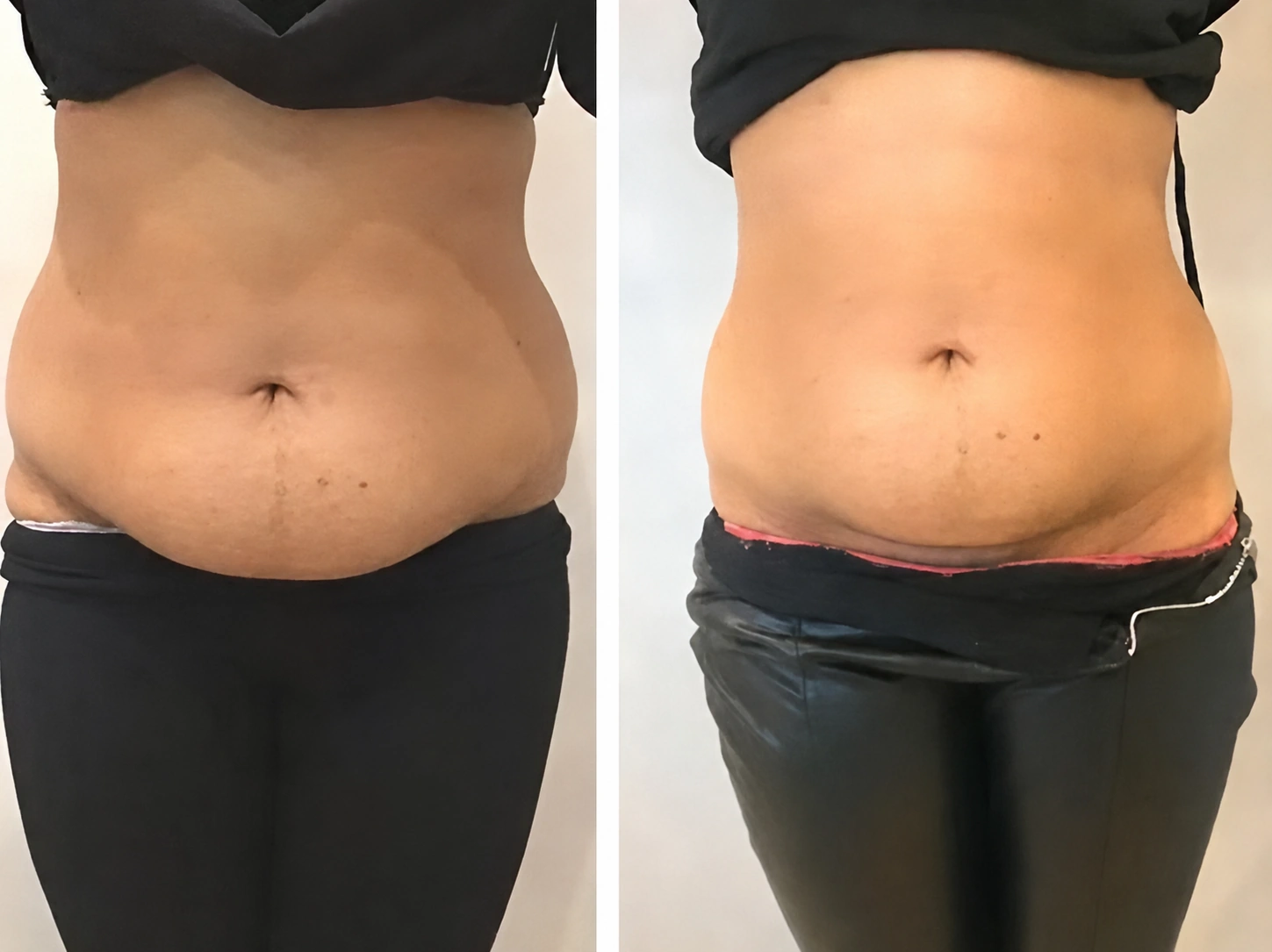
How Long Does Numbness Last After CoolSculpting?
Temporary numbness is one of the better-recognised effects of cryolipolysis.
The CoolSculpting manufacturer advises that sensory changes such as numbness, tingling, itching, and altered skin sensitivity can persist for several weeks following treatment.
This can feel unusual because the area may look relatively normal while sensation remains reduced or altered.
Published research has similarly identified transient numbness and paraesthesia among the most common adverse effects of cryolipolysis. An earlier systematic review of cryolipolysis safety and efficacy found prolonged diminished sensation among the reported complications, while most adverse effects resolved without intervention.
Sensation should generally improve over time. Persistent, worsening, or functionally significant changes should be reviewed rather than assumed to be part of routine recovery indefinitely.
Are Swelling, Bruising, and Tenderness Normal?
Yes. Temporary swelling, bruising, aching, and tenderness can occur after fat freezing.
The applicator exposes the treatment area to controlled cooling and may also apply suction depending on the applicator being used. Our guide explaining how CoolSculpting works covers the treatment process and what happens to the targeted fat cells in more detail. These factors can contribute to redness, bruising, soreness, and local tissue sensitivity afterwards.
For most patients, visible redness and swelling settle before changes in sensation completely resolve.
The treated tissue may also feel:
- Firm
- Temporarily enlarged or swollen
- Tender when pressed
- Sensitive when clothing rubs against it
- Numb or tingling
These effects should gradually improve. Increasing rather than decreasing pain, significant blistering or skin injury, or symptoms that remain severe should prompt clinical review.
What Is the Typical CoolSculpting Recovery Timeline?
| Time After Treatment | What You May Notice |
|---|---|
| Immediately afterwards | Redness, firmness, numbness, tenderness, tingling, or temporary swelling may be present. |
| First few days | Bruising, aching, soreness, swelling, and altered sensation can remain noticeable. |
| Following weeks | Most visible local reactions improve, although numbness, tingling, or sensitivity can persist for several weeks. |
| Following months | The fat-reduction result develops gradually. A new or persistent enlargement of the treated area during this period should be assessed rather than assumed to be normal swelling. |
This is a general guide rather than a fixed timetable. Recovery can differ between patients and treatment areas.
Our guide to CoolSculpting results explains when visible fat reduction typically begins, when the result is better assessed, and why some patients require more than one treatment.
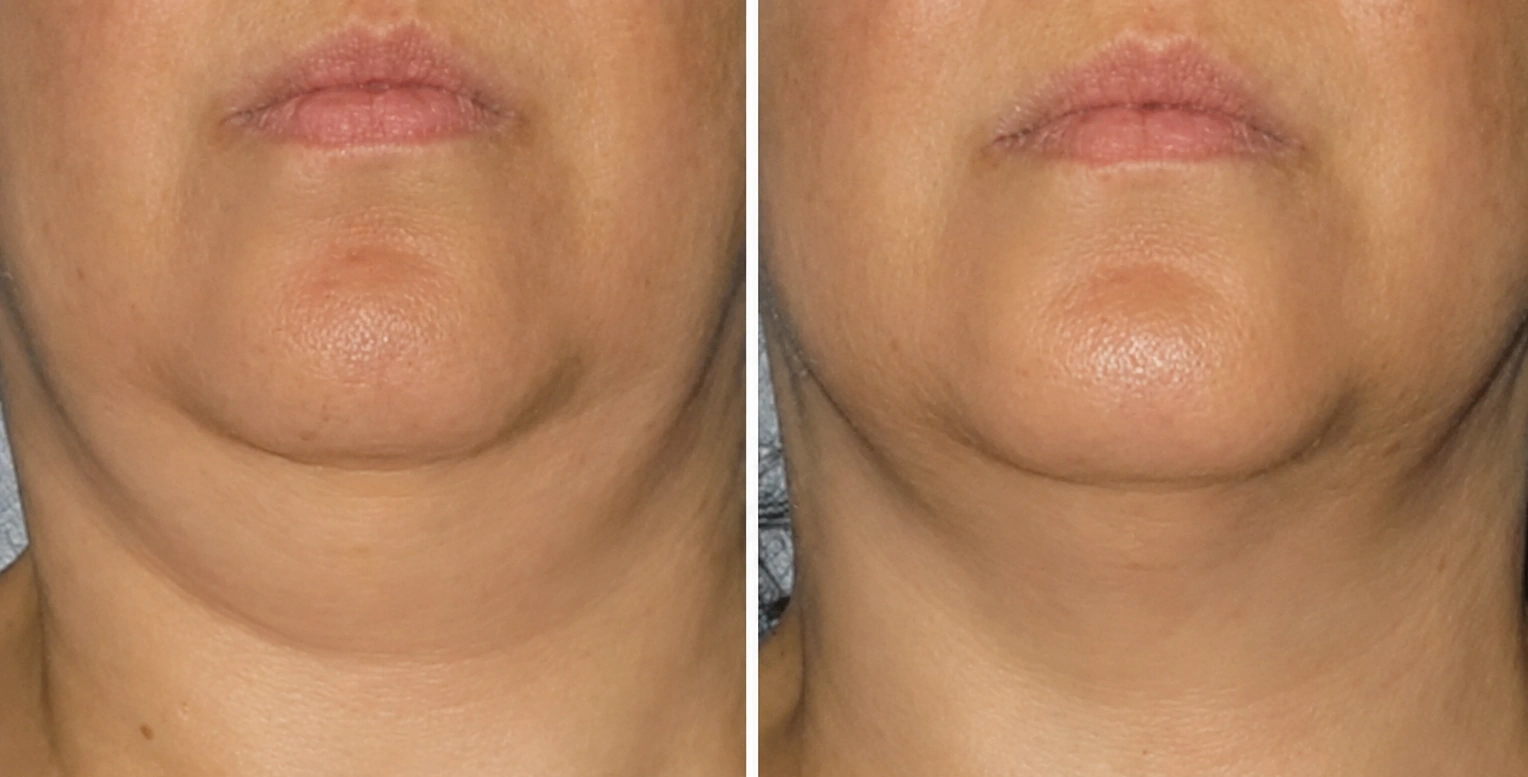
What Should You Do After CoolSculpting?
CoolSculpting does not normally require the type of wound care associated with surgery, and many patients can return to routine activities shortly after treatment.
That does not mean every patient feels completely normal immediately afterwards. Tenderness, aching, numbness, or bruising may influence exercise, clothing, sleep position, or other activities for a short period.
General aftercare principles include:
- Follow the advice given by your treating practitioner, particularly where your treatment involved several areas or cycles.
- Monitor the treated area and become familiar with what you were told to expect.
- Wear comfortable clothing if pressure against the area feels uncomfortable.
- Return to activity according to comfort unless your practitioner has given a specific restriction.
- Do not repeatedly press or manipulate an area because it feels numb or firm.
- Contact the clinic if symptoms are severe, unusual, or becoming worse rather than settling.
Medication advice should be individualised. Patients should not stop prescribed medicines or avoid medically necessary treatment simply because they have undergone CoolSculpting without first discussing this with the relevant clinician.
What Is Paradoxical Adipose Hyperplasia After CoolSculpting?
Paradoxical adipose hyperplasia (PAH) is a rare complication in which fatty tissue in the treated area becomes larger rather than smaller following cryolipolysis.
This is different from ordinary post-treatment swelling.
According to the manufacturer, the enlargement typically becomes apparent around two to five months after treatment, does not resolve by itself, and may require surgical correction.
The manufacturer’s current safety information reports PAH at approximately 0.033%, or around 1 in 3,000 treatments.
However, the true incidence remains an area of research. A 2025 systematic review and meta-analysis of paradoxical adipose hyperplasia after cryolipolysis estimated a pooled incidence of approximately 0.22%, equivalent to around 1 in 455 patients in the included studies. The authors described the evidence as low certainty and noted important limitations, including incomplete long-term follow-up.
These figures measure PAH in different ways and should not be treated as directly interchangeable. The useful clinical point is that PAH appears to be uncommon but significant and should form part of informed consent.
What Does PAH Look or Feel Like?
PAH generally presents as a gradually enlarging, often firm or well-defined bulge corresponding to the treated area.
Unlike ordinary swelling, it develops later rather than immediately after the procedure and does not progressively settle.
A patient who notices increasing volume or a persistent firm enlargement several months after treatment should arrange clinical assessment.
Clinical Note from Dr Nyla Raja
PAH is rare, but it is important because the pattern is very different from routine recovery. Ordinary post-treatment swelling occurs early and improves. PAH is a delayed enlargement that persists. Patients should know about that distinction before treatment rather than first hearing about the complication if it happens.
What Other Uncommon CoolSculpting Complications Can Occur?
Published reviews of cryolipolysis have described several less common adverse effects in addition to PAH.
These can include:
- Severe or persistent pain
- Prolonged sensory disturbance
- Skin pigmentation changes
- Cold-related skin injury
- Motor nerve effects in anatomically sensitive areas
- Contour irregularity
For treatment beneath the chin or jawline, the manufacturer also notes that temporary throat discomfort or a sensation of fullness at the back of the throat can occur.
The overall frequency of these complications is low compared with temporary local reactions, but they matter because some require further assessment or treatment.
When Should You Contact the Clinic After CoolSculpting?
Patients should contact their treating clinic whenever their recovery differs substantially from what was discussed beforehand.
Clinical review is particularly appropriate if you experience:
- Severe pain or pain that is progressively worsening
- Significant blistering, ulceration, or unusual skin changes
- Persistent or worsening weakness or neurological symptoms
- Altered sensation that is severe or not improving over time
- A new firm enlargement of the treatment area developing over the following months
- Symptoms beneath the chin or neck that are more significant than the temporary discomfort discussed before treatment
- Any other reaction that causes concern or appears outside the expected recovery pattern
Patients who have been treated at Dr Nyla Medispa and have a concern about an existing treatment should contact the clinic or call 0800 009 6661.
Severe breathing difficulty, collapse, or another medical emergency requires urgent medical attention; call 999.
How Can CoolSculpting Risks Be Reduced?
Safety starts before treatment.
CoolSculpting should not be performed in people with cryoglobulinaemia, cold agglutinin disease, or paroxysmal cold haemoglobinuria. The manufacturer’s full CoolSculpting safety information also advises patients to disclose factors such as cold sensitivity, impaired circulation, nerve pain, impaired skin sensation, open or infected wounds, bleeding disorders or blood-thinning medicines, recent surgery, scar tissue, and a hernia in or near the treatment area.
The consultation should therefore include both medical screening and an anatomical assessment of the proposed treatment area.
Patients should also understand:
- What device is being used
- Which area and applicator are being recommended
- How many treatment cycles are planned
- Common side effects
- Uncommon complications, including PAH
- How and when to contact the clinic after treatment
The NHS guidance on choosing a cosmetic practitioner recommends checking practitioner qualifications, training, experience, insurance, expected complications, and arrangements for follow-up care before undergoing a cosmetic procedure.
At Dr Nyla Medispa, CoolSculpting is provided within a doctor-led, medically regulated clinic, with treatment planning based on medical suitability, anatomy, and individual treatment goals.

Book in a Free Consultation With Our Expert Team
- Award-winning, doctor-led aesthetic clinics
- Locations in London, Cheshire, and Liverpool
- Over 50 non-surgical treatments available
- Free consultation with a personalised plan
CoolSculpting Safety, Side Effects, and Recovery FAQs
Is CoolSculpting safe?
CoolSculpting has an established safety profile when performed appropriately, but it is not risk-free. Temporary redness, swelling, tenderness, bruising, numbness, and altered sensation are common, while more significant complications such as PAH are uncommon.
How long does numbness last after CoolSculpting?
Numbness can persist after visible redness and swelling have settled. The manufacturer advises that sensory changes may last for several weeks in some patients.
Is swelling normal after fat freezing?
Yes. Temporary swelling is an expected local reaction following cryolipolysis. It should generally settle rather than progressively worsen.
Does CoolSculpting hurt afterwards?
Some patients experience aching, tenderness, cramping, sensitivity, or discomfort after treatment. Severe or worsening pain should be discussed with the treating clinic.
How much downtime is there after CoolSculpting?
Many patients resume routine activities promptly because there are no surgical incisions. However, tenderness, bruising, swelling, or numbness can remain noticeable for days or weeks, so “no downtime” should not be interpreted as meaning that there are never post-treatment symptoms.
What is paradoxical adipose hyperplasia?
PAH is an uncommon complication in which the treated fat area enlarges rather than reduces. It usually appears months after cryolipolysis, does not resolve like ordinary swelling, and may require surgical correction.
How common is PAH after CoolSculpting?
The manufacturer reports a rate of approximately 0.033%, or around 1 in 3,000 treatments. A 2025 systematic review estimated a higher pooled incidence of approximately 0.22%, although the authors considered the evidence low certainty. The true incidence remains an area of ongoing research.
How can I tell the difference between PAH and normal swelling?
Normal treatment swelling occurs shortly after CoolSculpting and gradually improves. PAH is a delayed enlargement that typically becomes apparent several months later and persists rather than resolving.
When should I contact the clinic?
Contact the clinic if symptoms are unusually severe, worsening, persistent, associated with significant skin or neurological changes, or if the treated area begins enlarging rather than reducing during the months after treatment.
When can CoolSculpting results be assessed?
Results develop gradually rather than during the early recovery period. Our guide to CoolSculpting results and timelines explains when visible changes usually appear and how much reduction can reasonably be expected.
CoolSculpting Safety and Recovery: What Matters Most
Temporary numbness, tenderness, swelling, bruising, firmness, and altered sensation can all occur after CoolSculpting. For most patients, these effects improve progressively as the treated area recovers.
The more important safety distinction is between an expected temporary reaction and a symptom that does not follow the normal recovery pattern. Severe or worsening pain, significant skin changes, persistent neurological symptoms, or delayed enlargement of the treated area should be assessed rather than simply watched.
Paradoxical adipose hyperplasia is uncommon, but because it can materially change the outcome and may require surgical correction, it should be discussed before treatment alongside the more familiar short-term side effects.
If you are considering treatment, you can book a free consultation at Dr Nyla Medispa in Mayfair London, Alderley Edge Cheshire, or Crosby Liverpool to discuss your suitability, expected recovery, and whether CoolSculpting is appropriate for you.
Need Guidance in Selecting the Most Appropriate Treatment?
Related Treatments
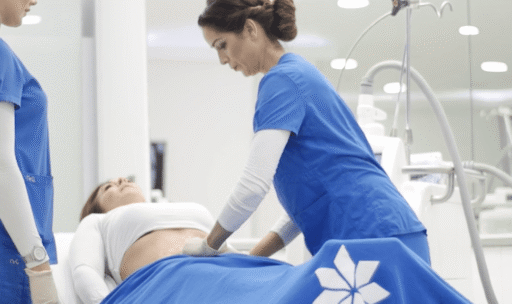
CoolSculpting Fat Freezing
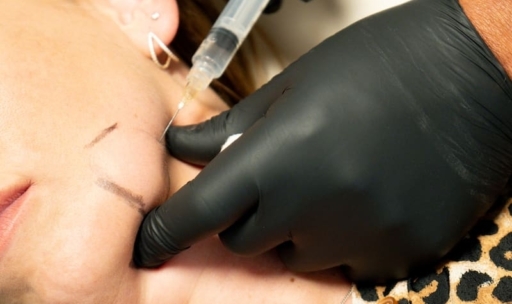
Aqualyx Fat Dissolving Injections
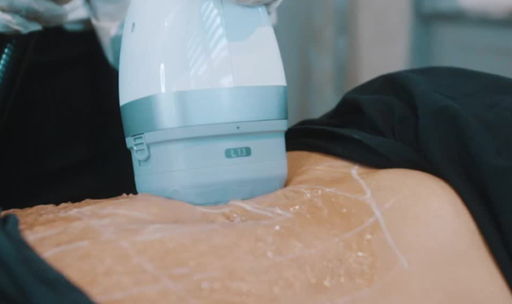
LIPOcel Body Contouring
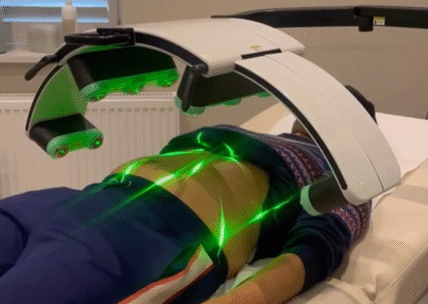
Emerald Laser Fat Loss

EMSCULPT Body Sculpting
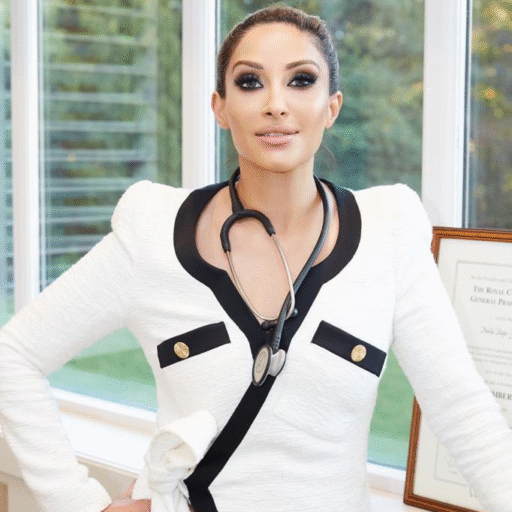
About the Author
Dr Nyla Raja | Founder & Medical Director
GMC-registered doctor with over 20 years of clinical experience in aesthetic medicine. Qualifications include MBChB (Hons), MRCGP (Dist), DFFP, and DPDermatology. Member of the British College of Aesthetic Medicine (BCAM).