
Who Is Suitable for CoolSculpting, and Who May Not Be?

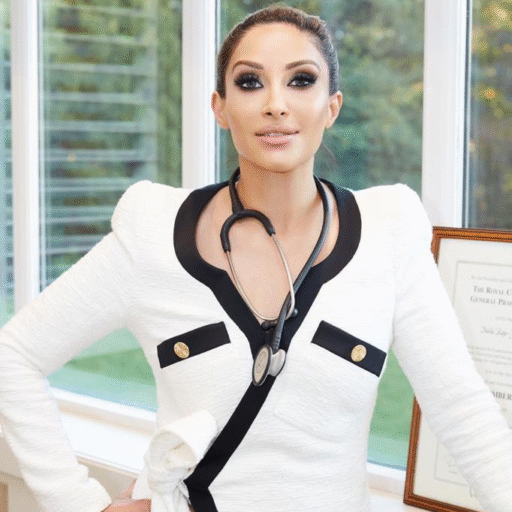
Clinical guidance from Dr Nyla Raja MBChB (Hons), MRCGP (Dist), DFFP, DPDermatology - GMC No. 6057913
CoolSculpting Suitability: At a Glance
CoolSculpting is a non-surgical fat freezing treatment that uses controlled cooling, or cryolipolysis, to reduce selected areas of subcutaneous fat. It is generally most appropriate for defined, pinchable fat deposits rather than overall excess body weight.
Suitability depends on more than whether fat is present. The practitioner should consider the size and shape of the fat deposit, whether the applicator can be positioned appropriately, skin quality, surrounding anatomy, body composition, medical history, and the degree of change the patient expects.
CoolSculpting is not a weight-loss treatment and is not suitable for everyone. In particular, it should not be performed in people with cryoglobulinaemia, cold agglutinin disease, or paroxysmal cold haemoglobinuria. Pregnancy, recent surgery, a hernia in or near the proposed treatment area, abnormal sensitivity to cold, and other medical factors also need to be discussed during assessment.
- Usually best suited to: defined, pinchable areas of subcutaneous fat
- Common areas: abdomen, flanks or love handles, thighs, upper arms, back, and selected fat beneath the chin
- Weight: intended for localised body contouring rather than general weight reduction
- Skin: significant laxity can limit the cosmetic result
- Expectations: should be for gradual localised fat reduction rather than a surgical-scale change
- Medical assessment: important because controlled cooling is unsuitable in certain cold-related conditions
CoolSculpting suitability should be established following individual assessment. The presence of unwanted fat does not necessarily mean that cryolipolysis is the most appropriate treatment.
Who Is Suitable for CoolSculpting?
CoolSculpting is generally most suitable for someone with a defined area of subcutaneous fat that can be appropriately treated with the relevant applicator.
Common treatment areas include the abdomen, flanks or love handles, thighs, upper arms, back or bra area, and selected fat beneath the chin or jawline. However, being able to identify unwanted fat in one of these areas does not automatically make CoolSculpting appropriate.
A suitable patient will commonly have:
- A localised deposit of subcutaneous fat
- Enough accessible fatty tissue for the selected applicator
- A relatively stable body weight
- Reasonable skin quality around the treatment area
- Realistic expectations about non-surgical fat reduction
- No relevant contraindication to controlled cooling
The official CoolSculpting patient information similarly states that the procedure is intended for body contouring rather than obesity or weight loss and that individual suitability should be assessed before treatment.
Clinical Note from Dr Nyla Raja
For CoolSculpting, we are not simply looking for the presence of fat. We need to assess the shape and depth of the fat deposit, whether the applicator can sit correctly, the quality of the overlying skin, and whether reducing that particular area is likely to improve the contour.
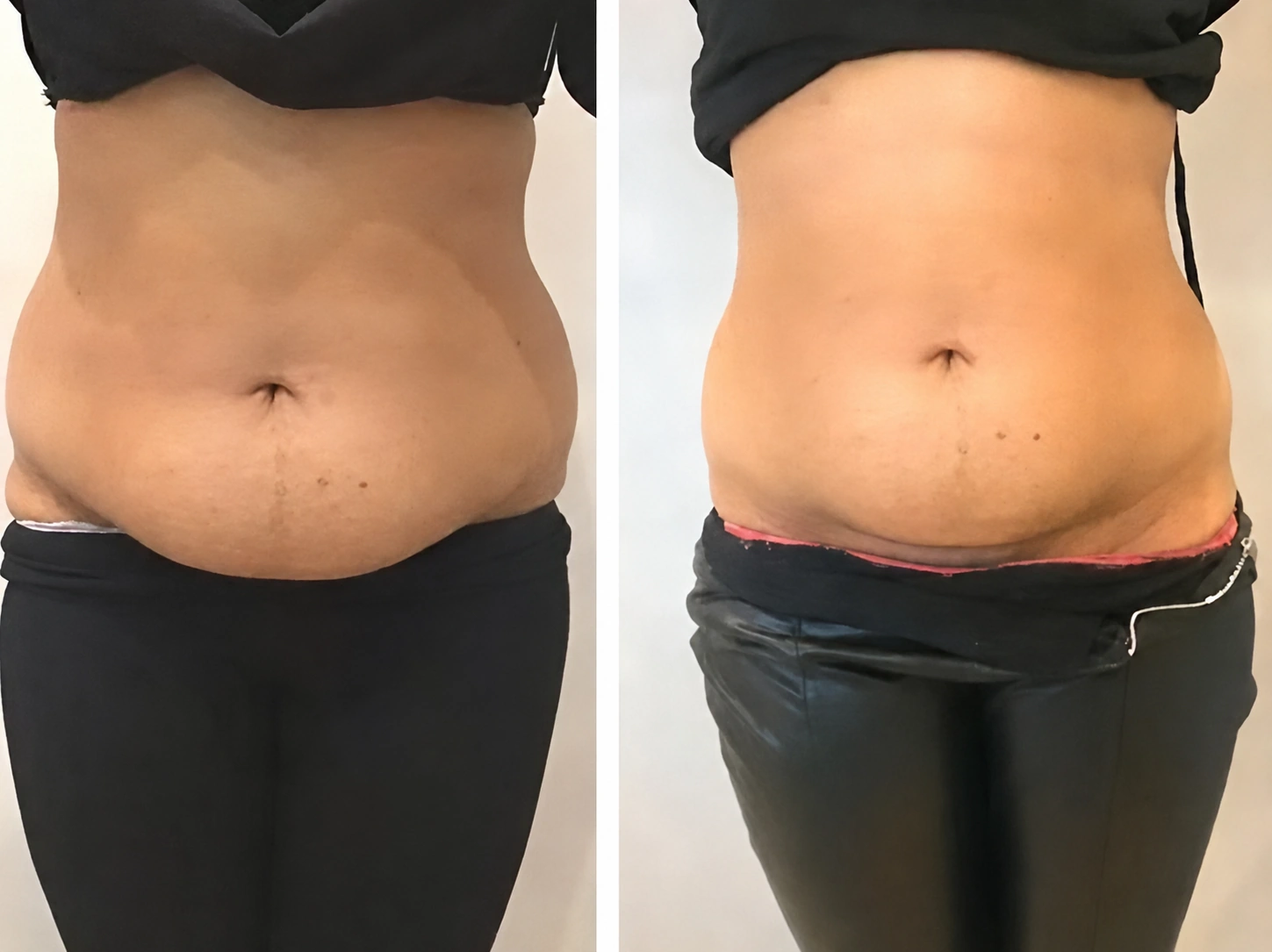
Why Does Pinchable Fat Matter for CoolSculpting?
CoolSculpting uses cryolipolysis to expose susceptible subcutaneous fat cells to controlled cooling. Our guide to how CoolSculpting works explains this fat-freezing process in more detail. For many treatment areas, the fatty tissue needs to be accessible to the applicator so that cooling can be delivered appropriately.
This is why practitioners often describe suitable tissue as “pinchable fat”. It is a useful description, although proper assessment involves more than simply pinching the skin.
The practitioner also needs to consider:
- The thickness of the fat layer
- The shape and boundaries of the fat deposit
- Which applicator is appropriate
- Whether the tissue can be positioned correctly
- Whether adjacent structures affect treatment
- How the proposed treatment areas fit together aesthetically
An area can contain fat but still be a poor fit for fat freezing. The shape of the deposit and the way the applicator sits can be just as important as its overall size.
Is CoolSculpting Suitable for Weight Loss?
No. CoolSculpting is not a weight-loss treatment.
A fat freezing treatment is intended to reduce the appearance of a particular fat bulge rather than substantially alter total body fat or body weight.
This means someone can be at a relatively stable weight and still have an area of persistent fat that is suitable for body contouring. Conversely, if the main concern is widespread excess body fat, treating several individual areas with cryolipolysis is unlikely to address the underlying objective.
The official CoolSculpting information states that the procedure is not a treatment for obesity and should not replace a healthy diet and active lifestyle.
Our guide to localised body fat explains why the amount and distribution of fat can influence which body-contouring treatment is most appropriate.
Why Does Body Composition Matter?
Two people with a similar body weight can have very different distributions of subcutaneous fat, visceral fat, muscle, and skin.
The abdomen is a good example. What someone describes as “belly fat” or “stomach fat” can be influenced by:
- Pinchable subcutaneous fat beneath the skin
- Deeper visceral fat around the internal organs
- Loose or stretched skin
- Abdominal muscle separation
- A combination of these factors
Stomach fat freezing can only address appropriate subcutaneous fat. Cryolipolysis does not remove visceral fat, tighten abdominal muscles, or correct muscle separation.
This distinction is clinically important because a prominent abdomen does not necessarily mean there is a suitable layer of fat for CoolSculpting.
BMI can provide some general context, but it does not establish whether a specific area is suitable. Direct assessment of the tissue is more useful for treatment planning.
Why Does Skin Quality Matter for CoolSculpting?
Fat reduction and skin tightening are different treatment objectives.
Where the skin has reasonable elasticity, reducing the fatty volume beneath it may produce a more defined contour. If there is substantial loose or redundant skin, however, reducing the underlying fat may leave the laxity more noticeable.
This can be particularly relevant after:
- Significant weight loss
- Pregnancy
- Age-related loss of skin elasticity
- Previous body-contouring procedures
CoolSculpting should therefore not generally be viewed as a dedicated treatment for significant loose skin. Where laxity is the dominant concern, another treatment may be more appropriate.
What Are Realistic Expectations from CoolSculpting?
A suitable patient should expect gradual, localised contour improvement rather than an immediate or surgical-scale transformation.
Cryolipolysis works by cooling susceptible fat cells within the treatment area. These cells undergo changes following treatment and are gradually cleared over time, so the visible result develops progressively.
The degree of improvement can depend on:
- The amount of suitable subcutaneous fat
- The treatment area
- The shape of the fat deposit
- Applicator selection and positioning
- The number of treatment cycles or sessions
- Skin quality
- Individual biological response
Results from fat freezing should therefore be considered in the context of non-surgical body contouring. Someone seeking the degree of fat removal associated with liposuction may not be a suitable candidate unless their expectations can be adjusted appropriately. Our guide to CoolSculpting results explains when visible changes typically appear, how much fat reduction can reasonably be expected, and why some patients require more than one treatment.
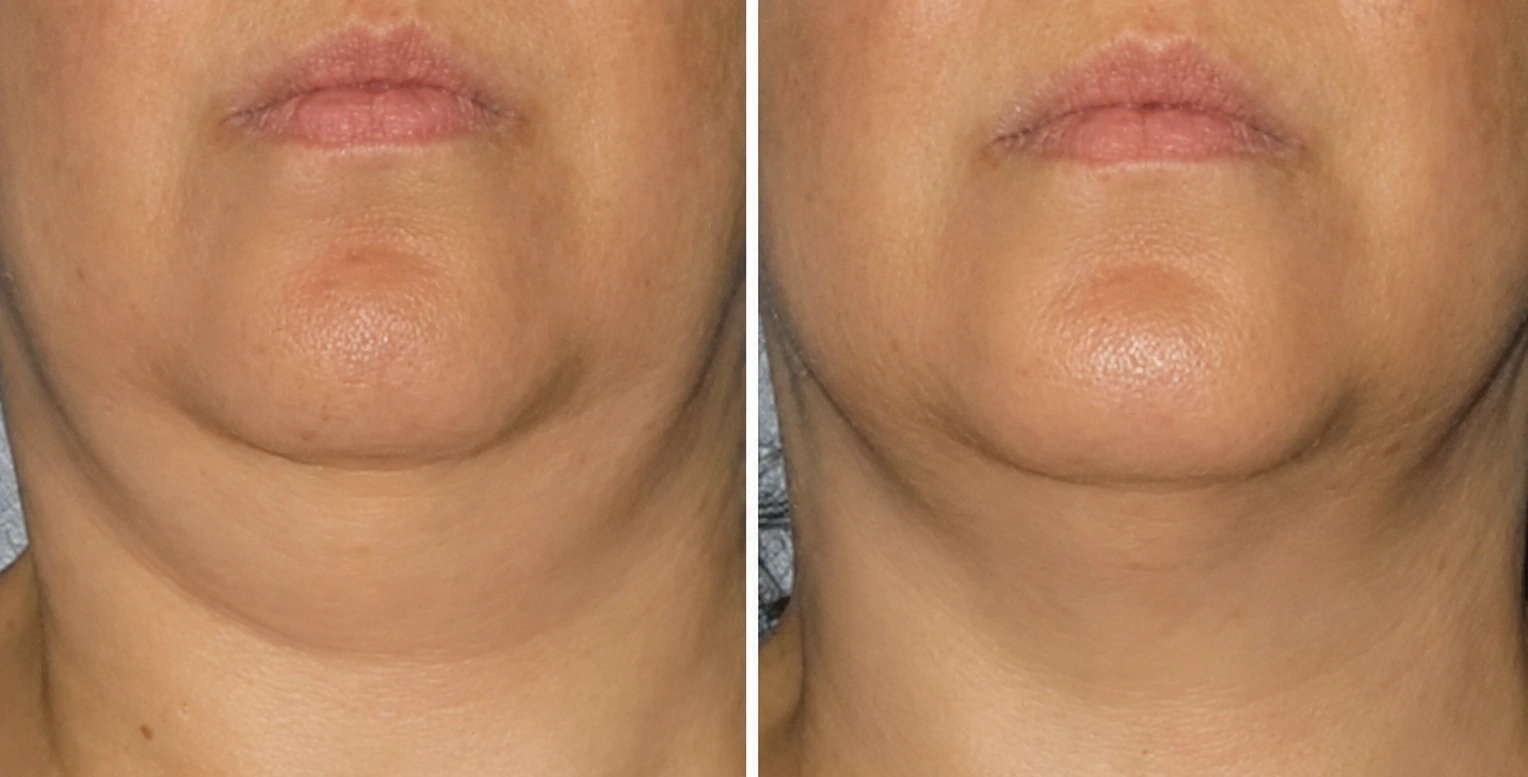
What Medical Conditions Can Make CoolSculpting Unsuitable?
Because CoolSculpting relies on controlled cooling, conditions involving an abnormal response to cold are particularly important.
The manufacturer’s CoolSculpting safety information states that treatment should not be performed in people with:
- Cryoglobulinaemia
- Cold agglutinin disease
- Paroxysmal cold haemoglobinuria
These conditions are uncommon, but they matter because exposure to cold can trigger abnormal reactions involving components of the blood.
A full medical history is still necessary because other circumstances may make treatment inappropriate or require additional consideration. These can include:
- Known sensitivity to cold
- Cold urticaria or Raynaud’s disease
- Reduced sensation or nerve problems in the treatment area
- Impaired circulation
- Open wounds or active skin disease
- Recent surgery
- A known or suspected hernia close to the proposed treatment area
- Previous treatment that has significantly altered the local anatomy
Not every factor in this second group is an absolute contraindication for every patient. They are reasons for proper clinical assessment rather than conditions patients should try to assess for themselves.
Can You Have CoolSculpting During Pregnancy?
CoolSculpting is an elective body-contouring treatment and should not be planned during pregnancy.
The manufacturer’s safety information notes that CoolSculpting has not been studied in pregnant or breastfeeding patients. Pregnancy also causes changes in body composition and abdominal anatomy, making it an inappropriate time to assess a stable body-contouring result.
Following pregnancy, treatment may be reconsidered once recovery and body composition have stabilised. Previous caesarean section, muscle separation, breastfeeding, skin laxity, and changes in abdominal contour should all be discussed during consultation.
Can You Have CoolSculpting After Surgery or with a Hernia?
Previous surgery does not automatically prevent CoolSculpting, but it can change tissue mobility, sensation, scar structure, and local anatomy.
A known or suspected hernia is particularly important if the proposed applicator would sit over or close to that area. The manufacturer’s safety information advises patients to disclose a pre-existing hernia and recent surgery before treatment.
This can be relevant after abdominal surgery, caesarean section, liposuction, hernia repair, or other procedures affecting the proposed treatment area.
The area should be physically assessed rather than assuming that previous surgery is irrelevant because it occurred several years earlier.
When Might CoolSculpting Not Be the Right Treatment?
CoolSculpting may be unsuitable, or simply unlikely to provide the result being sought, where:
- The primary objective is substantial overall weight loss
- The fullness is predominantly visceral rather than subcutaneous fat
- There is insufficient accessible fat for the applicator
- The shape of the area prevents suitable applicator placement
- Significant loose skin is the primary concern
- The patient expects a much larger reduction than cryolipolysis can reasonably provide
- A relevant cold-related contraindication is present
- A hernia, recent surgery, active skin problem, or another medical issue makes the area unsuitable
This can be particularly important for areas such as the abdomen. Someone searching for a way to “freeze belly fat” may have a suitable subcutaneous fat deposit, but they may instead have predominantly visceral fat, loose skin, muscle separation, or a combination of factors that CoolSculpting cannot correct.
Deciding against CoolSculpting does not necessarily mean the concern cannot be treated. It may simply mean that another approach better matches the anatomy.
When Might Another Treatment Be More Appropriate?
When the Fat Deposit Is Small and Precisely Defined
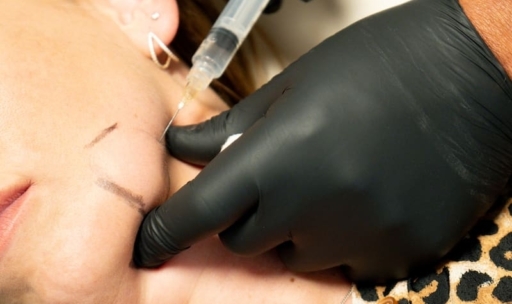
For some smaller areas of localised fat, injectable treatment such as Aqualyx fat-dissolving injections may be considered. Aqualyx and cryolipolysis work differently, and neither treatment is inherently better for every patient.
When Loose Skin Is the Main Concern
If skin laxity contributes more to the appearance than excess fat, removing additional volume may not produce the desired contour. A treatment aimed primarily at skin tightening may be more relevant.
When a Substantial Amount of Fat Needs to Be Removed
Liposuction can remove considerably greater volumes of fat than non-surgical fat freezing. Where a patient wants a substantial reduction, surgical assessment may provide a more realistic discussion of what can be achieved.
When Overall Weight Reduction Is the Goal
If the objective is meaningful overall weight loss rather than changing a particular body contour, CoolSculpting is not the appropriate treatment pathway.
Clinical Note from Dr Nyla Raja
A good body-contouring consultation is partly about identifying when not to treat. If the concern is visceral fat, loose skin, a large amount of generalised fat, or anatomy that does not suit the applicator, recommending CoolSculpting simply because it is available would not be appropriate.
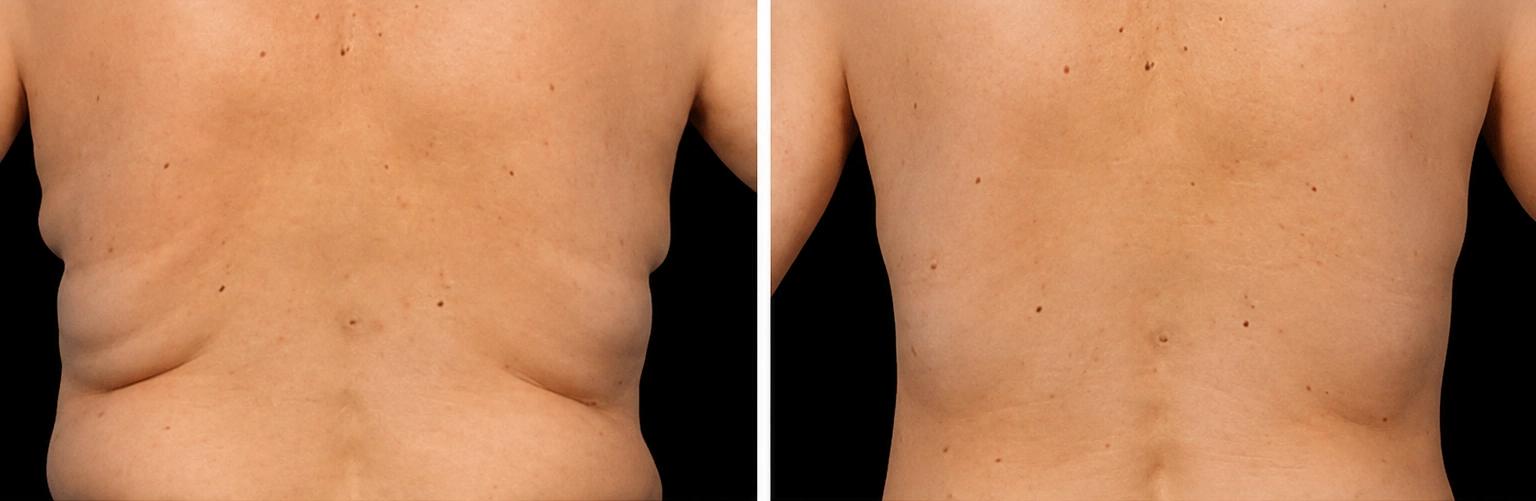
What Risks Should Be Discussed Before CoolSculpting?
Most side effects following CoolSculpting are temporary and occur within the treatment area.
These can include:
- Redness
- Swelling
- Bruising
- Firmness
- Tenderness
- Aching or cramping
- Tingling
- Temporary numbness or altered sensation
Our guide to CoolSculpting safety, side effects, and recovery explains these expected reactions in more detail, as well as uncommon complications and when patients should contact their clinic.
The manufacturer’s safety information notes that sensory changes can persist for several weeks in some patients.
Patients should also be informed about less common complications. One of the most important is paradoxical adipose hyperplasia (PAH), in which the treated area becomes larger rather than smaller in the months after cryolipolysis.
A 2025 systematic review and meta-analysis of paradoxical adipose hyperplasia following cryolipolysis found a pooled incidence of approximately 0.22%, although the authors considered the certainty of the evidence low and highlighted limitations in follow-up and reporting.
PAH is rare, but it is clinically significant because it does not typically resolve on its own and may require surgical correction.
The purpose of discussing this complication is not to suggest that it is likely, but to ensure that consent reflects both the common temporary effects and the uncommon outcomes that can materially affect the result.
What Happens at a CoolSculpting Suitability Consultation?
A consultation should establish both whether fat freezing can realistically improve the area and whether controlled cooling can be performed safely.
The assessment usually considers:
- The area the patient would like to change
- Whether the fullness is suitable subcutaneous fat
- The amount, shape, and distribution of the fat
- Whether the relevant applicator can be positioned appropriately
- Skin quality and degree of laxity
- Medical history and medicines
- Previous surgery
- Any history of cold-related conditions or reactions
- The presence or history of a hernia
- Previous body-contouring treatments
- The degree of change the patient expects
The practitioner should also explain what the procedure feels like, expected short-term effects, uncommon complications, likely treatment requirements, and alternatives where another approach would provide a more proportionate result.
The NHS guidance on choosing a cosmetic practitioner recommends asking about practitioner training and experience, potential complications, aftercare, and what happens if something goes wrong.
At Dr Nyla Medispa, CoolSculpting is provided within a doctor-led, medically regulated clinic, with treatment planning based on individual anatomy, suitability, and the areas being treated.
How Much Does CoolSculpting Cost?
CoolSculpting cost depends largely on the treatment area, applicator requirements, and how many cycles are required to create an appropriate treatment plan.
A small treatment area should therefore not be compared directly with treatment involving several applicators across the stomach, abdomen, flanks, or love handles.
The same principle applies when comparing advertised fat freezing prices. A headline price may refer to one applicator or cycle rather than the full treatment plan required for the area.
Our guides to CoolSculpting costs in the UK and CoolSculpting costs in London explain typical pricing structures and why treatment area and applicator requirements affect the overall cost.

Book in a Free Consultation With Our Expert Team
- Award-winning, doctor-led aesthetic clinics
- Locations in London, Cheshire, and Liverpool
- Over 50 non-surgical treatments available
- Free consultation with a personalised plan
CoolSculpting Suitability FAQs
Who is a good candidate for CoolSculpting?
A good candidate typically has a clearly defined area of accessible subcutaneous fat, relatively stable weight, suitable skin quality, realistic expectations, and no medical contraindication to controlled cooling.
What is the difference between CoolSculpting and cryolipolysis?
Cryolipolysis is the underlying fat-freezing technology. CoolSculpting is a branded system that uses controlled cryolipolysis for selected areas of subcutaneous fat.
What type of fat can fat freezing treat?
Fat freezing targets suitable subcutaneous fat beneath the skin. It does not treat visceral fat surrounding the internal organs.
Do you need to be slim to have CoolSculpting?
No particular body shape automatically determines suitability. The important issue is whether there is a suitable localised fat deposit. CoolSculpting is intended for contouring rather than overall weight reduction.
Can overweight patients have CoolSculpting?
Body weight alone does not establish whether a particular area can be treated, but CoolSculpting is not intended to treat obesity. Where the main concern is widespread excess body fat, another approach is generally more appropriate.
Can CoolSculpting freeze stomach fat?
It can be used for suitable subcutaneous abdominal fat. It cannot treat deeper visceral fat, significant loose skin, or abdominal prominence caused primarily by muscle separation.
Can CoolSculpting treat love handles?
Yes, suitable subcutaneous fat on the flanks or love handles is an established CoolSculpting treatment area. Applicator fit and the amount and shape of the fatty tissue still need to be assessed individually.
Can CoolSculpting be used beneath the chin or on the neck?
Selected submental fat beneath the chin can be treated with an appropriate applicator. However, fullness in this area may also be caused by skin laxity, chin or jaw structure, and neck anatomy, so fat freezing will not address every cause.
Can CoolSculpting tighten loose skin?
CoolSculpting is principally a fat-reduction treatment. Significant skin laxity may require another approach, and reducing the underlying fat can sometimes make loose skin more apparent.
Who should not have CoolSculpting?
CoolSculpting should not be performed in people with cryoglobulinaemia, cold agglutinin disease, or paroxysmal cold haemoglobinuria. Other medical conditions, pregnancy, recent surgery, a hernia, cold sensitivity, and local skin or circulation concerns should also be disclosed and assessed before treatment.
Can you have CoolSculpting with a hernia?
A known or suspected hernia near the proposed treatment area requires clinical assessment and may make treatment inappropriate in that location. It should always be disclosed before treatment.
Is CoolSculpting suitable after pregnancy?
It may be considered once pregnancy-related changes have stabilised. Abdominal fullness should first be assessed to determine whether it is caused predominantly by subcutaneous fat, loose skin, muscle separation, or another factor.
What if I am not suitable for CoolSculpting?
Other options may include injectable localised fat reduction, treatment directed towards skin laxity, weight-management support, or surgery depending on what is creating the contour concern.
CoolSculpting Suitability: Choosing Fat Freezing According to Anatomy
CoolSculpting can be a useful non-surgical option for selected areas of localised subcutaneous fat, but successful treatment depends on choosing the right patient, treatment area, and applicator.
The presence of fat alone is not enough. Fat distribution, applicator fit, skin quality, medical history, previous surgery, body composition, and expectations all need to be considered before cryolipolysis is recommended.
It is equally important to recognise when fat freezing is unlikely to address the concern. Visceral fat, significant skin laxity, widespread excess body fat, or a need for substantial fat removal may require a different approach.
If you are considering treatment, you can book a free consultation at Dr Nyla Medispa in Mayfair London, Alderley Edge Cheshire, or Crosby Liverpool to discuss the treatment area, your suitability, and whether CoolSculpting is an appropriate option.
Need Guidance in Selecting the Most Appropriate Treatment?
Related Treatments

CoolSculpting Fat Freezing
Aqualyx Fat Dissolving Injections
LIPOcel Body Contouring
Emerald Laser Fat Loss

EMSCULPT Body Sculpting
About the Author
Considering treatment? Book a free consultation at our clinics in Mayfair London, Alderley Edge Cheshire, or Crosby Liverpool, or call 0800 009 6661.