
CoolSculpting Explained: How Cryolipolysis Works and What It Can Treat

Clinical guidance from Dr Nyla Raja MBChB (Hons), MRCGP (Dist), DFFP, DPDermatology - GMC No. 6057913
CoolSculpting and Cryolipolysis: At a Glance
CoolSculpting is a branded non-surgical fat freezing treatment based on a technology called cryolipolysis. It uses controlled cooling to target selected deposits of subcutaneous fat without surgical incisions or fat removal through suction.
The treatment works because fat cells are particularly susceptible to controlled cooling. Exposure to the appropriate temperature initiates changes within the treated fat cells, followed by a gradual inflammatory and clearance process. The fat layer therefore becomes thinner progressively over the following weeks and months rather than disappearing during the treatment itself.
CoolSculpting is designed for localised fat reduction and body contouring. It can be used for appropriately selected areas such as the abdomen, flanks or love handles, thighs, upper arms, back, and selected fat beneath the chin. It is not a treatment for obesity, significant weight loss, visceral abdominal fat, or substantial loose skin.
- Technology: controlled cooling, medically known as cryolipolysis
- Purpose: reduction of selected areas of subcutaneous fat
- Common areas: abdomen, flanks, thighs, upper arms, back, bra area, and beneath the chin
- Results: develop gradually rather than immediately
- Weight loss: CoolSculpting is a body-contouring treatment, not a weight-loss procedure
- Suitability: depends on fat distribution, anatomy, applicator fit, skin quality, medical history, and expectations
CoolSculpting is not appropriate for every type of unwanted fullness. An individual assessment is required to establish whether the area contains suitable subcutaneous fat and whether cryolipolysis is likely to produce a proportionate result.
What Is CoolSculpting?
CoolSculpting is a branded body-contouring system that uses controlled cooling to reduce selected deposits of fat beneath the skin.
The underlying technology is cryolipolysis. “Fat freezing” is the more familiar patient-facing term for the same general principle, although CoolSculpting refers to a specific branded system rather than every device that uses cooling for fat reduction.
This distinction matters when patients compare treatments. Different cryolipolysis devices can have different applicators, cooling systems, safety mechanisms, clinical evidence, and treatment protocols. A generic fat freezing procedure should not automatically be assumed to be equivalent to CoolSculpting.
CoolSculpting is non-invasive, meaning the procedure does not involve surgical incisions, needles, or suction-assisted removal of fat. Instead, an applicator is positioned over the selected fatty tissue and delivers controlled cooling for a specified period.
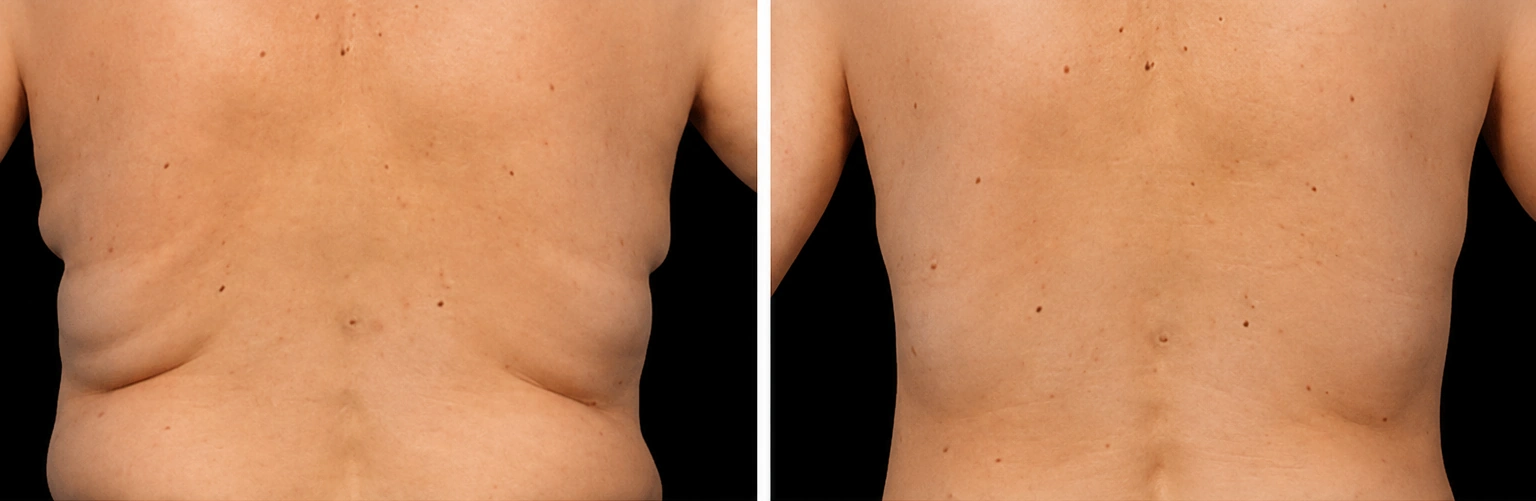
What Is Cryolipolysis?
Cryolipolysis is a method of non-surgical localised fat reduction that uses carefully controlled low temperatures to affect subcutaneous fat cells.
The scientific basis developed from observations that adipose tissue can be more susceptible to cold injury than some surrounding tissues under controlled conditions. Modern cryolipolysis systems use this principle to cool a selected fatty layer while controlling treatment parameters and protecting the skin.
A clinical review of cryolipolysis for subcutaneous fat-layer reduction described a gradual thinning of treated fatty tissue over approximately two to four months. Subsequent research has continued to support cryolipolysis as a method for modest, localised body-contouring changes.
A more recent systematic review and meta-analysis of cryolipolysis for body contouring found reductions in local fat thickness and circumference, but no statistically significant overall reduction in body weight. This distinction is central to understanding what the treatment can and cannot achieve.
How Does CoolSculpting Work?
During treatment, an applicator is positioned over the selected area of subcutaneous fat. Depending on the treatment area and applicator, the tissue may be drawn into the applicator using vacuum or treated with a surface applicator designed for the anatomy.
The device then delivers controlled cooling to the fatty layer.
The treatment process can be understood in four stages:
- Assessment and applicator selection: the practitioner identifies the relevant fat deposit and selects an applicator according to its size, shape, and location.
- Controlled cooling: the treatment area is exposed to defined cooling conditions designed to affect susceptible fat cells.
- Cellular response: cooling initiates biological changes within the treated adipose tissue.
- Gradual clearance: the body progressively processes and removes cellular material from the affected fat cells over the following weeks and months.
This process explains why CoolSculpting is different from procedures that physically remove fat immediately.
Clinical Note from Dr Nyla Raja
CoolSculpting is not simply a matter of placing an applicator wherever unwanted fat is visible. Treatment planning requires us to identify the correct fatty layer, assess the shape of the deposit, consider how the applicator will sit, and decide whether reducing that particular area will create a balanced contour.
What Happens to Fat Cells During Cryolipolysis?
The phrase “freezing fat cells” is useful shorthand, but the biological process is more gradual than the phrase suggests.
Controlled cooling causes stress and injury within susceptible adipocytes, or fat cells. This initiates cellular changes and a local inflammatory response. Over time, macrophages and other components of the body’s normal clearance mechanisms remove cellular debris from the treated tissue.
A clinical review of the cryolipolysis mechanism describes adipocyte injury followed by inflammatory clearance and a subsequent reduction in the thickness of the treated fatty layer.
The process does not involve fat suddenly being “melted”, nor is a large quantity of intact fat simply released into the bloodstream after treatment.
Instead, the treated area remodels progressively.
What Areas Can CoolSculpting Treat?
CoolSculpting is used for selected deposits of subcutaneous, accessible fat. The exact treatment plan depends on whether an appropriate applicator can be positioned safely and effectively over the area.
The manufacturer’s US information lists FDA-cleared treatment of visible fat bulges in areas including:
- Abdomen or stomach
- Flanks or love handles
- Inner and outer thighs
- Upper arms
- Back fat
- Bra fat
- Fat beneath the buttocks, sometimes called the banana roll
- Fat beneath the chin
- Fat beneath the jawline
The official CoolSculpting treatment-area information provides further detail on these indications.
Being listed as a recognised treatment area does not mean that every person with fullness there is automatically suitable. The practitioner still needs to establish what is creating the contour concern.
How Does CoolSculpting Work on Stomach Fat?
The abdomen is one of the most common areas considered for fat freezing.
Stomach fat freezing can be appropriate when the visible fullness is caused substantially by accessible subcutaneous fat beneath the skin. Upper and lower abdominal fat pockets may require different applicator placements depending on their shape and distribution.
However, not every prominent abdomen is caused by subcutaneous fat.
Abdominal contour can also be influenced by:
- Visceral fat surrounding the internal organs
- Loose or stretched skin
- Abdominal muscle separation
- Previous surgery
- Post-pregnancy anatomical changes
- Overall body composition
CoolSculpting cannot remove visceral fat, repair separated abdominal muscles, or remove substantial redundant skin.
This is why the abdomen should be assessed carefully before treatment, as not all abdominal fullness is caused by subcutaneous fat that can be treated with cryolipolysis.
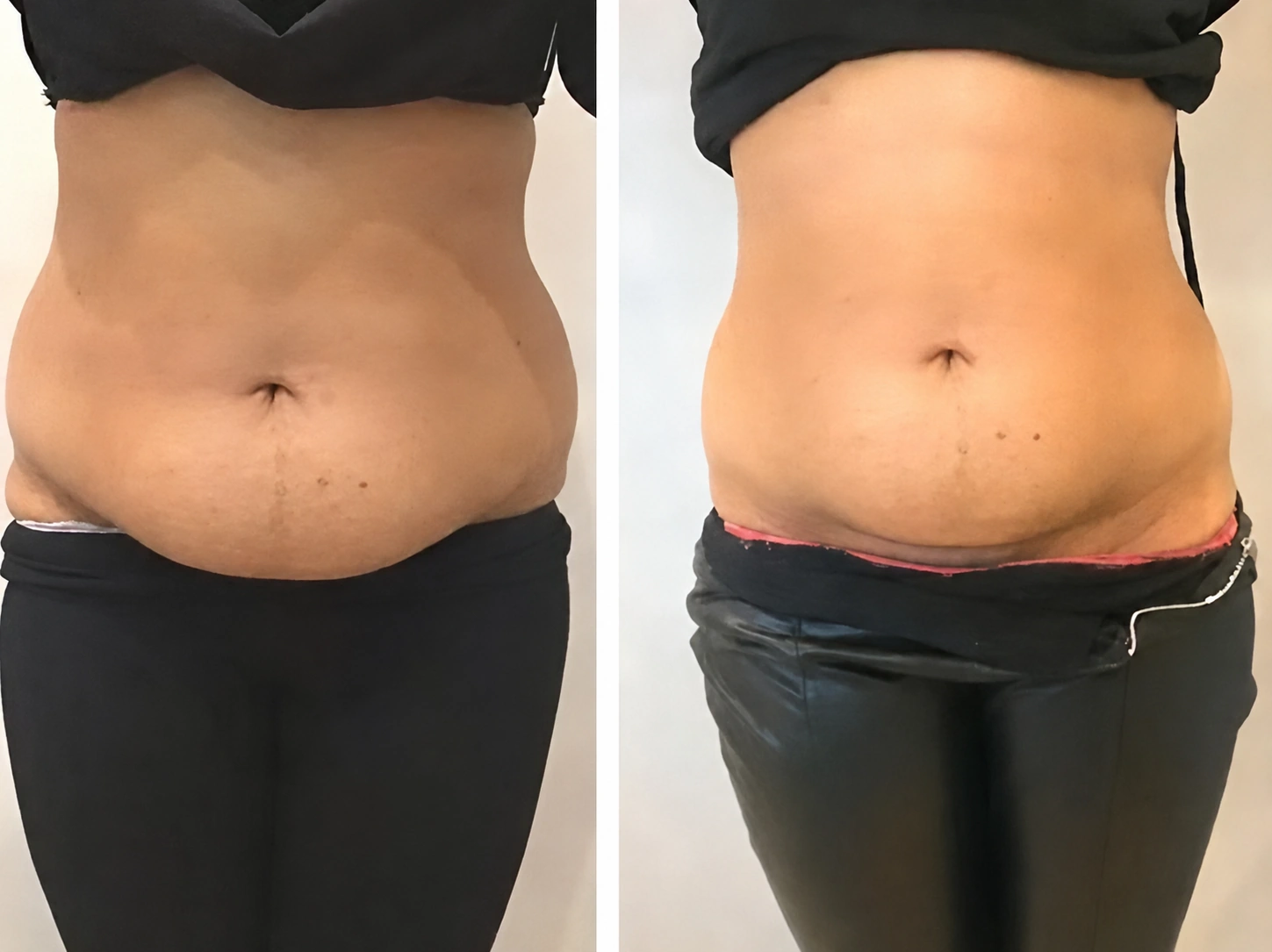
Can CoolSculpting Treat Love Handles and Flanks?
Yes. The flanks, commonly described as love handles, are an established treatment area for CoolSculpting.
These deposits are often relatively defined and accessible, which can make them suitable for body contouring where the anatomy and applicator fit are appropriate.
However, the two sides should be considered together. Natural asymmetry, different fat thicknesses, and the relationship between the flanks and abdomen can affect the treatment plan.
The aim should be to improve overall proportion rather than simply apply an identical number of cycles to both sides without considering anatomy.
Can CoolSculpting Be Used Beneath the Chin?
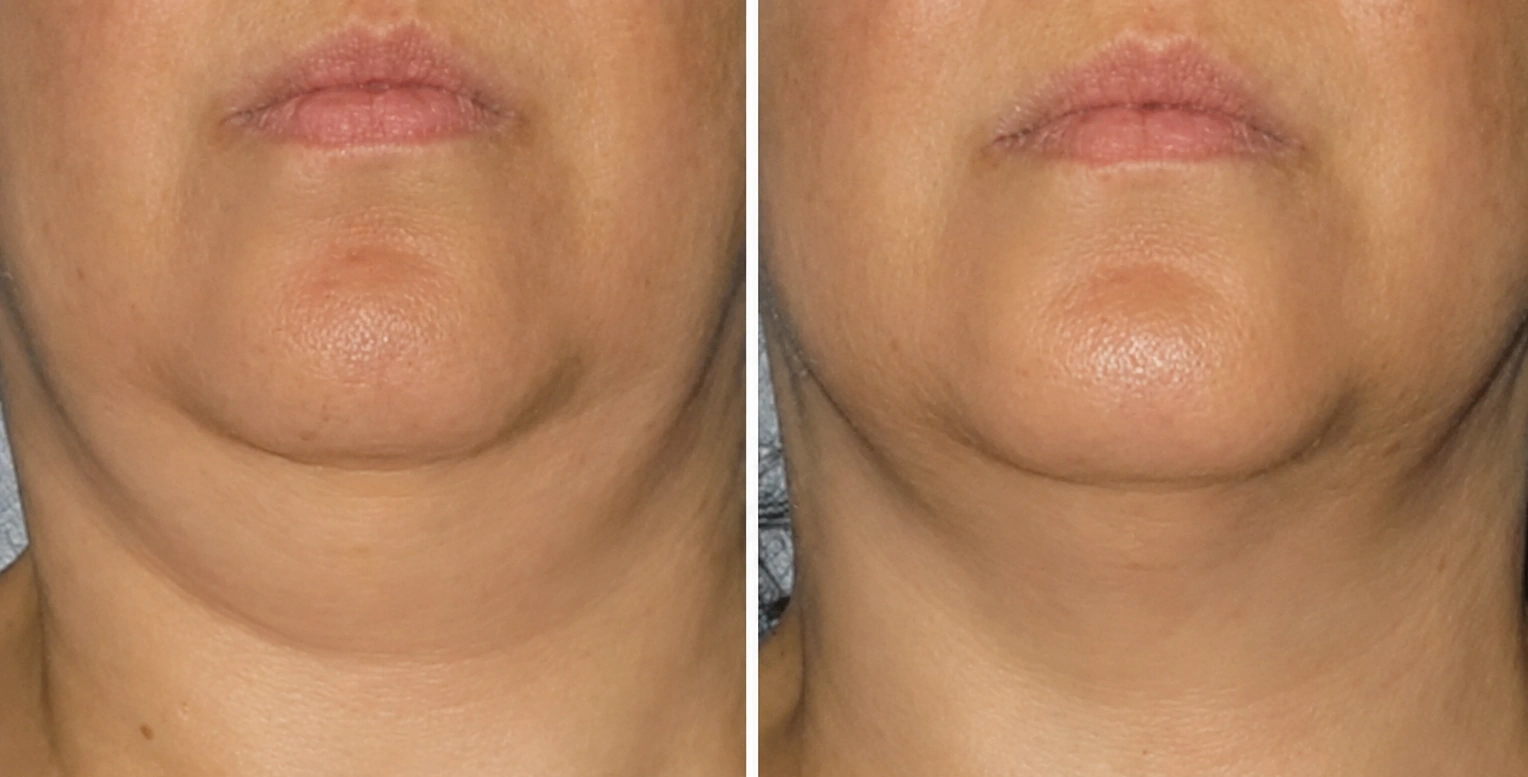
Selected submental fat beneath the chin can be treated with an appropriately designed applicator.
It is particularly important to assess this area carefully because reduced definition beneath the chin or along the jawline is not always caused by excess fat.
Other contributing factors can include:
- Skin laxity
- Chin projection
- Jaw structure
- Neck anatomy
- Age-related tissue changes
Reducing fat will not correct all of these factors. In some patients, removing volume where skin laxity is already significant can also make loose skin more apparent.
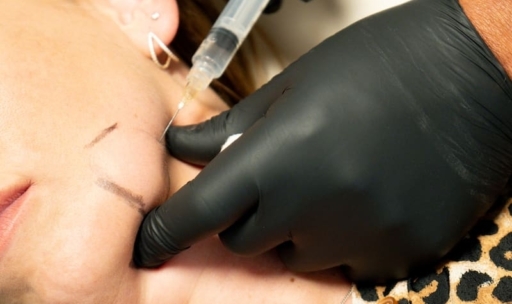
For smaller precisely defined areas, an injectable approach such as Aqualyx fat-dissolving injections may sometimes be considered instead, depending on anatomy and suitability.
Why Is CoolSculpting Not a Weight-Loss Treatment?
CoolSculpting is designed to alter localised body contour, not produce significant weight loss.
The treatment affects selected pockets of subcutaneous fat. Even where a measurable percentage reduction occurs within the treated fat layer, that represents only a small proportion of the body’s total fat mass.
For this reason, patients should not expect a meaningful reduction on the scales simply because an abdominal or flank area has been treated.
The 2025 meta-analysis of cryolipolysis outcomes found reductions in local measurements including fat thickness and circumference but no statistically significant overall weight reduction.
CoolSculpting is therefore most relevant when the objective is something such as reducing a persistent abdominal bulge, flank deposit, thigh pocket, or selected under-chin fat rather than treating general excess body weight.
Our page on localised body fat explains this distinction in more detail.
When Do CoolSculpting Results Appear?
Results are gradual because the body requires time to process the changes initiated within the treated fatty tissue.
Patients should therefore think in terms of weeks and months rather than days.
Some patients begin to notice subtle changes within several weeks, while the contour commonly becomes easier to assess over approximately one to three months. Further change can develop beyond this point.
Research supports this gradual pattern. An earlier systematic review of cryolipolysis safety and efficacy reported a mean reduction in subcutaneous tissue of approximately 19.6% across studies providing objective tissue measurements, with outcomes assessed at an average of approximately 3.8 months.
Another systematic review reported ultrasound-measured reductions ranging from approximately 10.3% to 25.5% in treated fat thickness, demonstrating why it is inappropriate to promise a fixed percentage reduction to every patient.
For a more detailed timeline, our guide to CoolSculpting results explains when visible changes typically appear, how much reduction can reasonably be expected, and why results differ between treatment areas.
Is One CoolSculpting Treatment Enough?
Sometimes, but not always.
The number of treatment sessions depends on:
- The amount of localised fat
- The size and shape of the area
- The number of applicator placements required
- The degree of contour change being sought
- The response to previous treatment
It is also useful to distinguish between a treatment cycle and a treatment visit. One appointment can contain several applicator cycles across different portions of the abdomen, both flanks, or other areas.
More cycles are not automatically better. The purpose of treatment planning is to create a proportionate result rather than simply maximise the amount of treatment delivered.
Are CoolSculpting Results Permanent?
Fat cells successfully affected and cleared following cryolipolysis do not simply regenerate as the same intact cells in the treated area.
However, this does not mean the patient’s body contour can never change again.
Remaining fat cells can enlarge if body weight increases, while ageing, pregnancy, hormonal changes, and changes in skin quality can also alter body shape over time.
Maintaining a relatively stable weight therefore helps preserve the contour achieved following treatment.
CoolSculpting should not be thought of as protection against future weight gain.
Is CoolSculpting Safe?
CoolSculpting has an established clinical history as a non-invasive method of reducing localised subcutaneous fat. When patients are appropriately selected and treatment is carried out by trained practitioners using the correct device, applicators, and treatment protocols, cryolipolysis has a well-established safety profile. However, non-surgical does not mean completely risk-free.
A systematic review of adverse events associated with cryolipolysis found that the most frequently reported effects included redness, numbness or altered sensation, bruising, and swelling.
Temporary effects can include:
- Redness
- Swelling
- Bruising
- Tenderness
- Firmness
- Aching or cramping
- Tingling
- Numbness or altered sensation
One important rare complication is paradoxical adipose hyperplasia (PAH), where the treated fatty area enlarges rather than reduces during the months following treatment.
Patients should understand this distinction as part of informed consent. Our detailed guide to CoolSculpting safety, side effects, and recovery explains expected post-treatment reactions, PAH, recovery, and when patients should contact their clinic.
At Dr Nyla Medispa, CoolSculpting is provided within a doctor-led, medically regulated clinic, with medical suitability, anatomy, treatment planning, and appropriate follow-up considered as part of the patient pathway.
Who Is Suitable for CoolSculpting?
CoolSculpting is generally most useful for people with defined areas of accessible, pinchable subcutaneous fat and realistic expectations about non-surgical body contouring.
Suitability is not determined by weight alone.
The consultation should consider:
- Whether the fullness is actually subcutaneous fat
- The thickness and distribution of the fat
- Applicator fit
- Skin quality and laxity
- Previous surgery
- The presence of a hernia near the treatment area
- Cold sensitivity and relevant medical conditions
- Expected degree of improvement
CoolSculpting should not be performed in people with cryoglobulinaemia, cold agglutinin disease, or paroxysmal cold haemoglobinuria. Other medical conditions and anatomical factors may also make treatment inappropriate or require additional assessment.
Our guide to CoolSculpting suitability explains who is most likely to benefit from fat freezing and when another approach may be more appropriate.
Clinical Note from Dr Nyla Raja
The most important question is not simply whether CoolSculpting can reduce fat. It is whether the patient’s particular concern is caused by the type of fat that CoolSculpting can treat. Visceral fat, loose skin, muscle separation, and structural anatomy require different approaches, so careful assessment is essential.

What Are the Alternatives to CoolSculpting?
No single fat-reduction or body-contouring treatment is right for every area or every patient. The most appropriate option depends on what is creating the concern, including the amount and distribution of fat, skin quality, muscle tone, treatment area, and the degree of change being sought.
Aqualyx Fat-Dissolving Injections
Aqualyx fat-dissolving injections may be considered for selected localised deposits of subcutaneous fat, including some smaller or more precisely defined areas. Aqualyx works through a different mechanism from cryolipolysis, so suitability depends on the anatomy and treatment objective.
Emerald Laser
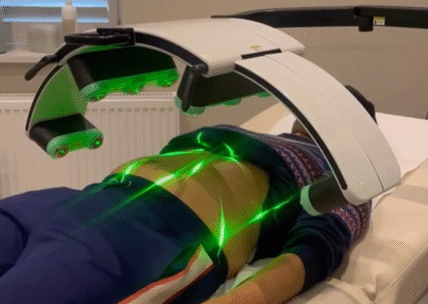
Emerald Laser is a non-invasive body-contouring treatment that uses low-level laser technology rather than controlled cooling. It may be considered for patients seeking non-surgical fat reduction across areas such as the abdomen, thighs, hips, arms, or back.
LIPOcel Body Contouring
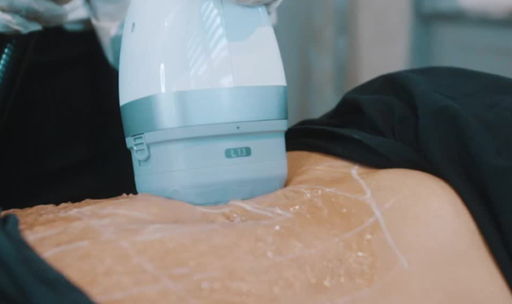
LIPOcel uses high-intensity focused ultrasound (HIFU) technology to target selected deposits of subcutaneous fat. It can be considered for areas including the abdomen, flanks, thighs, and arms where ultrasound-based body contouring may be more appropriate than fat freezing.
EMSCULPT Body Sculpting
If the concern involves muscle definition as well as body contour, EMSCULPT may be more relevant. It uses high-intensity focused electromagnetic technology to stimulate muscle contractions and is therefore different from CoolSculpting, which is primarily focused on reducing localised fat.
When Skin Laxity Is Also a Concern
If loose skin contributes significantly to the contour, reducing fat alone may not provide the desired result. Exilis Elite combines radiofrequency and ultrasound and may be considered where improving skin firmness and body contour are both treatment priorities.
For facial concerns where reduced definition is influenced more by skin laxity and muscle tone than by excess fat, EMFACE may also be considered. It is not a direct fat-freezing alternative, but it can be relevant when the underlying concern is facial support rather than a discrete deposit of subcutaneous fat.
Weight Management
Where the primary objective is significant overall fat or weight reduction, CoolSculpting and other localised body-contouring treatments are not substitutes for appropriate weight-management strategies.
Surgical Fat Removal
Liposuction can remove substantially greater volumes of fat and allows more extensive surgical contouring. It also involves the anaesthetic considerations, recovery, and risks associated with surgery.
Our page on non-surgical fat-reduction treatments explains the different technologies that may be considered according to the treatment area, body composition, skin quality, and individual goals.
How Much Does CoolSculpting Cost?
CoolSculpting prices depend on the treatment area, the applicators required, the number of cycles, and whether more than one treatment visit is recommended.
A headline price for a single cycle should therefore not automatically be interpreted as the total cost of treating an abdomen, both flanks, or several areas.
Our guides to CoolSculpting costs in the UK and CoolSculpting costs in London explain typical pricing structures and why treatment plans can differ substantially between patients.

Book in a Free Consultation With Our Expert Team
- Award-winning, doctor-led aesthetic clinics
- Locations in London, Cheshire, and Liverpool
- Over 50 non-surgical treatments available
- Free consultation with a personalised plan
CoolSculpting and Cryolipolysis FAQs
What is the difference between CoolSculpting and cryolipolysis?
Cryolipolysis is the underlying technology that uses controlled cooling for localised fat reduction. CoolSculpting is a specific branded system that uses cryolipolysis. “Fat freezing” is the common patient-facing term for the general treatment principle.
Does CoolSculpting actually freeze fat cells?
CoolSculpting exposes subcutaneous fat cells to controlled cooling that initiates cellular injury and a subsequent biological clearance response. “Fat freezing” is useful shorthand, but the treated fat does not simply disappear during the appointment.
Where does the fat go after CoolSculpting?
Following cryolipolysis, damaged cellular material within the treated fatty tissue is gradually processed and cleared through the body’s normal inflammatory and metabolic pathways over the following weeks and months.
Can CoolSculpting freeze belly fat?
CoolSculpting can reduce appropriately selected subcutaneous abdominal fat. It cannot reduce deeper visceral fat, repair abdominal muscle separation, or remove substantial loose skin.
Does CoolSculpting work on love handles?
Yes. Flank or love-handle fat is an established treatment area where there is a suitable deposit of accessible subcutaneous fat and appropriate applicator fit.
Is CoolSculpting a weight-loss treatment?
No. CoolSculpting is designed for localised body contouring rather than significant weight reduction. Patients should expect a change in the treated contour rather than a substantial change on the scales.
How quickly does CoolSculpting work?
The result develops gradually. Some patients notice subtle changes within several weeks, while improvement generally becomes easier to assess over approximately one to three months and can continue beyond this period.
How much fat can CoolSculpting reduce?
Clinical studies have reported variable reductions in treated fat thickness. Frequently quoted figures are around 20–25% in selected studies, but this is not guaranteed and refers to the treated fat layer rather than total body fat.
Can you have more than one CoolSculpting treatment?
Yes. Some patients achieve an appropriate result from one treatment, while others may benefit from further sessions. The number of cycles and treatment visits depends on the area, amount of fat, response, and desired contour.
Does fat come back after CoolSculpting?
Fat cells successfully affected and cleared by treatment do not simply return as the same cells. However, remaining fat cells can enlarge with future weight gain, so body shape can still change over time.
Is CoolSculpting the same as cryotherapy?
No. Whole-body or localised cryotherapy is used for different purposes and should not be confused with cryolipolysis. CoolSculpting uses controlled cooling specifically to target selected subcutaneous fat.
CoolSculpting Explained: Localised Fat Reduction, Not Weight Loss
CoolSculpting is a non-surgical body-contouring treatment based on cryolipolysis. Controlled cooling affects selected subcutaneous fat cells, which are then gradually processed and cleared, producing progressive thinning of the treated fat layer.
The treatment is most appropriate for localised, accessible deposits of subcutaneous fat. It can be used across several established body areas, including the abdomen, flanks, thighs, upper arms, back, and selected fat beneath the chin, but the anatomy of each area needs to be assessed individually.
Its limitations are equally important. CoolSculpting does not provide significant weight loss, cannot treat visceral abdominal fat, does not repair muscle separation, and should not be expected to reproduce the degree of fat removal achievable with surgery.
Appropriate patient selection, realistic expectations, careful applicator placement, and clear discussion of results and risks are therefore central to a good treatment plan.
If you are considering treatment, you can book a free consultation at Dr Nyla Medispa in Mayfair London, Alderley Edge Cheshire, or Crosby Liverpool to discuss the treatment area, your suitability, and whether CoolSculpting is an appropriate option.
Need Guidance in Selecting the Most Appropriate Treatment?
Related Treatments

CoolSculpting Fat Freezing
Aqualyx Fat Dissolving Injections
LIPOcel Body Contouring
Emerald Laser Fat Loss

EMSCULPT Body Sculpting
About the Author
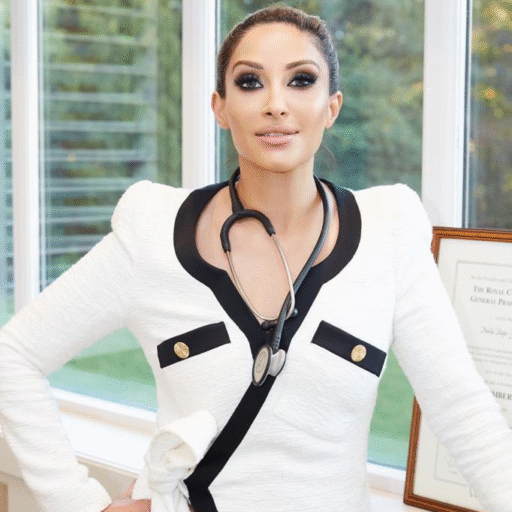
Dr Nyla Raja | Founder & Medical Director
GMC-registered doctor with over 20 years of clinical experience in aesthetic medicine. Qualifications include MBChB (Hons), MRCGP (Dist), DFFP, and DPDermatology. Member of the British College of Aesthetic Medicine (BCAM).