
How to Get A Better Jawline
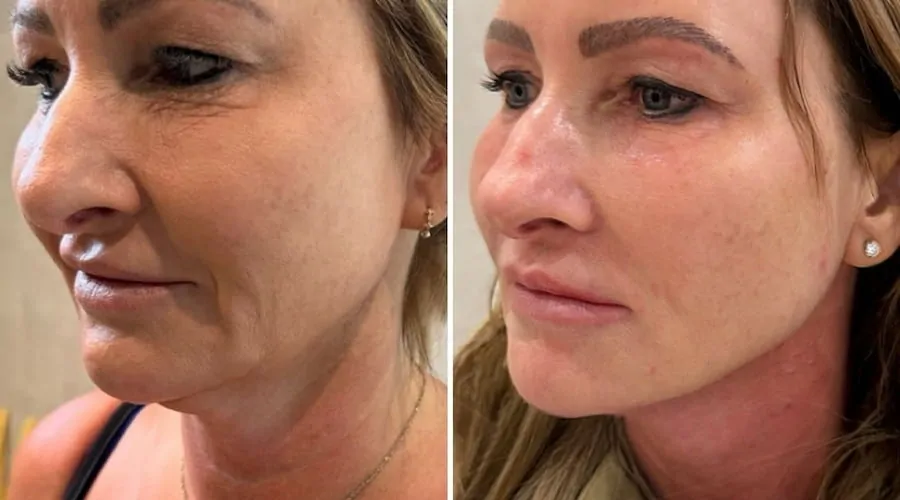
The quest for a defined jawline has become increasingly popular. While some advocate for cosmetic surgery to combat signs of ageing or enhance jawline strength, others propose simple exercise routines as the solution. While solely relying on exercises may not significantly alter your jawline or neck, costly cosmetic procedures may not always be necessary. Achieving the desired strong, symmetrical, and youthful jawline can often be accomplished through straightforward, minimally invasive treatments. Dermal fillers are a popular non-surgical option. Learn more about dermal fillers London and how they can restore volume and contour to the jawline.
Sagging jowls are one of the most common signs of facial ageing. As collagen levels decline and facial volume shifts downward, the jawline can lose its sharp definition. Fortunately, modern aesthetic medicine offers several solutions, ranging from lifestyle changes and facial exercises to advanced non-surgical treatments such as dermal fillers, ultrasound skin tightening, and laser therapies.
What Are Jowls?
Jowls refer to the loose or sagging skin that develops along the lower cheeks and jawline. As the skin loses firmness and elasticity, the tissues around the jawline can begin to droop, creating a heavier appearance in the lower face.
This change occurs as collagen, elastin, and facial volume gradually decline. With less structural support beneath the skin, gravity can cause the skin to sag, leading to reduced jawline definition and the appearance of jowls.
What Causes Jowls to Develop?
Jowls develop due to a combination of ageing, structural changes in the skin, and environmental factors. As collagen levels decline and facial tissues shift downward over time, the jawline can begin to lose its firmness and contour.
While this process is natural, certain factors can influence how early or how prominently jowls appear.
Ageing and Collagen Loss
One of the main causes of jowls is the gradual loss of collagen and elastin in the skin. These proteins help maintain firmness and elasticity. As production slows with age, the skin becomes thinner and less able to resist gravity, which can lead to sagging along the jawline.
Lifestyle Factors That Can Worsen Jowls
Lifestyle habits can also accelerate skin laxity. Excessive sun exposure, smoking, and significant weight fluctuations can all contribute to reduced collagen production and loss of skin firmness, making sagging jowls more noticeable over time.
Quick Fixes and Exercises for Sagging Jowls
As a more affordable way to see enhancements in our appearance, there has been a boom in videos proclaiming that they have an exercise routine that can enhance your jawline. It’s highly debatable how much benefit any chin or jaw exercise can provide; there has never been a peer-reviewed scientific study to find a link between any exercise and reducing the signs of ageing in the jawline, neck, chin, or décolletage.
Nevertheless, some swear by exercise routines to create a stronger or more desirable jawline. Given that they are all free to try, you could argue that there is no harm in trying.
Smiling

Smiling is a popular and easy exercise, with advocates suggesting it helps tighten muscles and strengthen the jaw. It may well be that smiling makes people look younger and a bit more radiant, because when we smile, we exude happiness. In any case, smiling a bit more can only be positive.
Clenching the Jaw
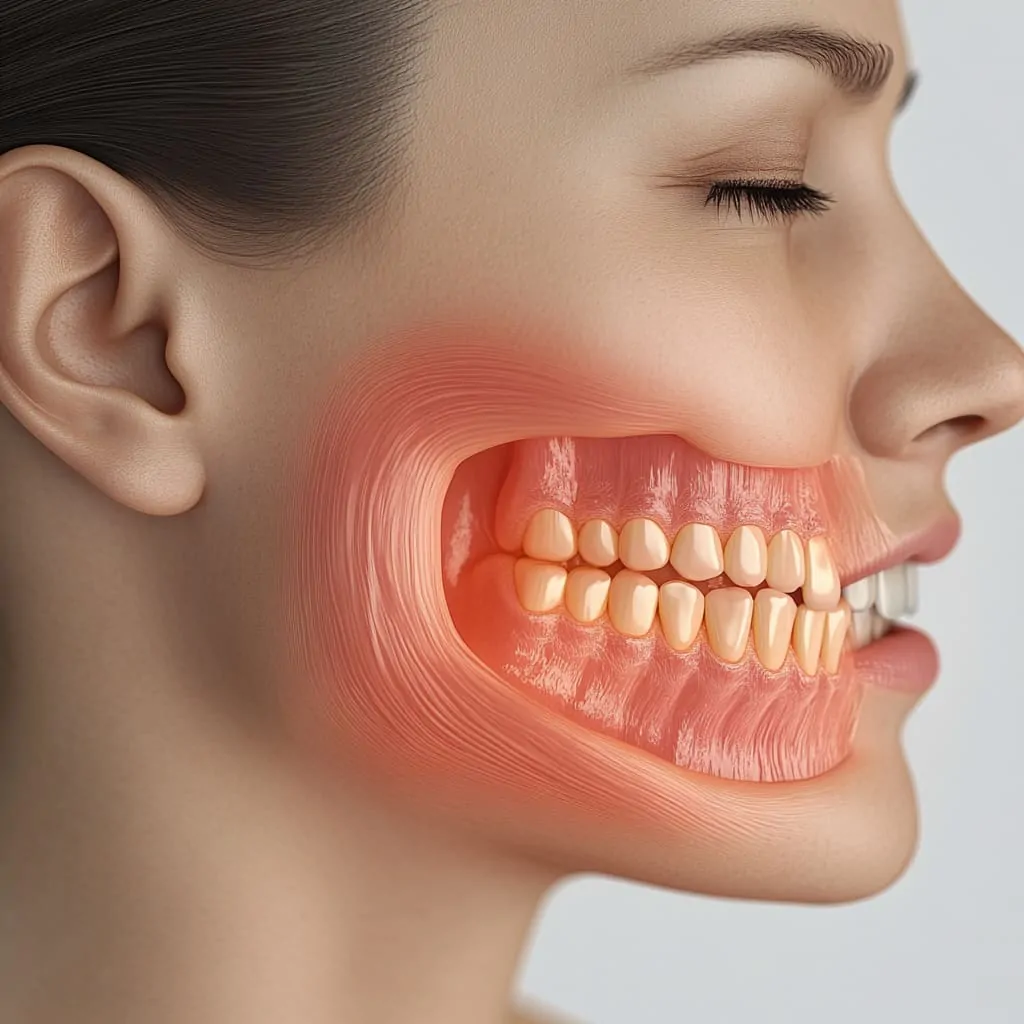
Those who are fans of jaw clenching as an exercise suggest you clench for around 10 seconds and then release; repeat this 10 to 15 times. Over time, you can increase the time for each clench. This is an exercise you can subtly work into your routine while sitting at home or commuting to the office.
Chewing Gum

Similar to clenching, chewing gum exercises the jaw muscles. Choose sugar-free gum and then chew away as much as you like.
Chin Lifts

Tilt your head up and back and look at the ceiling, then make a kissing motion by pressing your lips forward; hold this position and then release. Repeat several times.
There is a simple reason why exercises will often fail to enhance the jawline. Most people seeking to strengthen their jawline, perhaps to create the perfect V shape or to add length to their face, are doing so partly because of signs of ageing, and exercise won’t address these issues. Most problems with the jawline are caused by a lack of volume, whether that’s because of the fat moving downwards, the skin becoming looser, or definition being lost. The problem is not a lack of muscle development.

Book in a Free Consultation With Our Expert Team
Book a Consultation
The real secret to improving your jawline
Ultimately, when it comes to how to get a sharper jawline, you need to address the signs of ageing and sculpt to enhance the shape. This leaves two main options: cosmetic surgery or minimally invasive dermal fillers.
There are advantages to both options.
Cosmetic Surgery
Cosmetic surgeons offer procedures specifically tailored to enhance the jawline, often in conjunction with a neck lift, to achieve the desired results. While cosmetic surgery doesn’t halt the ageing process, it can create a more youthful appearance, effectively delaying visible signs of ageing.
Undertaking cosmetic surgery is a major decision, involving general anaesthesia, hospital stays, post-operative care, and a significant recovery period. Recovery may also necessitate taking a week or more off work, along with limitations on typical activities during certain periods, such as exercise. Prospective patients should carefully consider these factors, weighing the benefits against the potential drawbacks.
Cost is also a significant consideration, as major procedures involve expenses amounting to thousands of pounds. To gauge achievable results, examining before-and-after photos on a surgeon’s website under consistent conditions and reviewing authentic patient testimonials, such as those found on independent platforms like RealSelf, can provide valuable insights.
Dermal Fillers for a More Defined Jawline
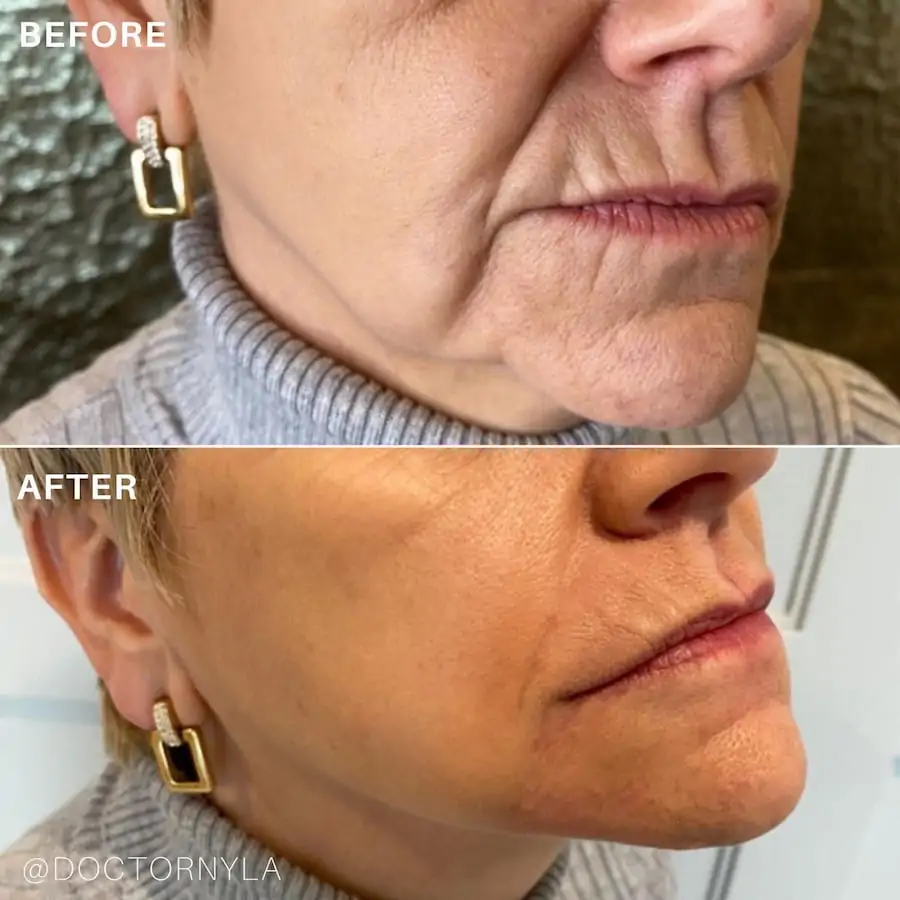
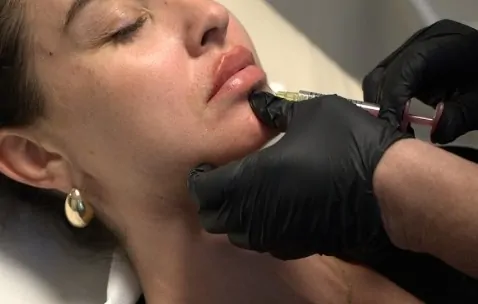
The final option to consider, and in our opinion, one of the most effective, is jawline filler treatment. Using dermal fillers, practitioners can deliver targeted injections that add volume, smooth wrinkles, and sculpt the lower face to improve jawline definition.
One concern with this option is that dermal fillers are still an under-regulated field, meaning almost anyone may offer the treatment. This risk can be avoided by choosing a qualified cosmetic doctor with extensive medical training and experience in facial anatomy.
Dermal fillers are also widely used to restore balance and structure to other areas of the face. Treatments such as cheek filler and tear trough filler can smooth lines, restore volume, and improve facial contours. By strategically placing filler beneath the skin, practitioners can support facial tissues that have weakened with age.
These treatments typically use hyaluronic acid, a naturally occurring substance in the body that attracts moisture and helps maintain skin hydration. For jawline contouring, a thicker gel is often used to provide greater structural support and definition.
Results can usually be seen shortly after treatment, although they are not permanent. In most cases, results last around 12 months, after which maintenance treatments may be recommended. Over time, some collagen stimulation remains, meaning smaller amounts of filler may be required to maintain a refined and youthful appearance.
Jawline Filler: Before and After

Health Hacks for a Sharper Jawline
Lifestyle habits make a big difference to our skin and overall appearance, so here are some tips that may help. Stay hydrated by drinking plenty of water, which not only aids in weight management but also improves circulation and can potentially boost metabolism. Additionally, the act of drinking water provides mild exercise for the jaw.
You should also maintain a healthy diet low in sugars and fats to support weight loss and potentially enhance the definition of the jawline. Avoiding refined carbs is crucial, as their high consumption can lead to fat storage in the face, resulting in a fuller appearance.
Ensure you get enough sleep, aiming for the recommended eight hours per night, as it offers numerous health benefits. While the direct impact of sleep on jawline appearance is debated, sufficient sleep is essential for overall well-being.
Please see another example of the results that can be achieved by us using non-surgical treatments:


Interested in Jawline Fillers?
One of the main benefits of fillers is that the results are predictable when administered by an experienced practitioner. It’s also possible to start off with a smaller dose to ensure you are happy with the result, and then top up with a little more to enhance the effect further. In other words, your jawline can be improved in stages.
Another advantage is that because fillers are minimally invasive, there’s no downtime required after your treatment, so you can return to your daily routine immediately.
Dermal fillers on the neck, jaw, and chin can also be used in combination with other treatments to create what is known as a surgery-free facelift. This can have the impact of a deep plane face lift, but at a fraction of the cost and recovery time.
About Dr Nyla

Dr. Nyla is one of the leading cosmetic dermatologists in the UK. Trusted by many high-profile clients, her expertise makes her a leading authority on all aspects of aesthetic treatments.
If you would like to arrange a consultation or simply want further information about any of our treatments, call us on 08000 096661 or use our contact form.
Related Treatments
Dermal Fillers
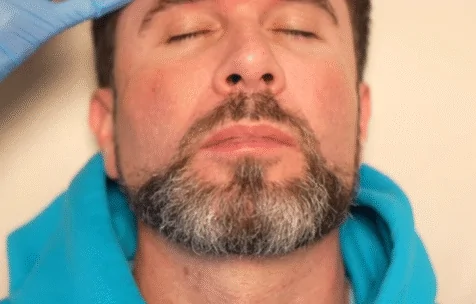
Fillers for Men

Dissolving Lip Fillers

Tear Trough Fillers

About the Author
Dr Nyla Raja | Founder & Medical Director
(MBCHB (Hons.). MRCGP (Dist.). DFFP. DPDermatology. BACD.