
Sclerotherapy
Sclerotherapy is a treatment that can help to remove spider veins and varicose veins, thus restoring a more even tone to the skin. The experts at Dr Nyla understand how the appearance of irregularities that show on the skin, can be unwanted by those who are affected. To remove these lesions can restore a more aesthetically pleasing appearance and improve self-confidence.
-
Injectable treatment that targets and closes spider veins and varicose veins
-
Treats unwanted veins on the legs, ankles and occasionally the body
-
Restores even skin tone with no surgery required
-
Led by Dr Nyla Raja, Medical Director: GMC 6057913
-
Available at our Mayfair, Alderley Edge & Crosby clinics

Book a Free Consultation
Expected Results
Removal of thread veins
Downtime
Minimal
Longevity
Can be permanent
Treatment Time
20 Minutes
Begin Your Bespoke Aesthetic Journey With Dr Nyla Medispa
What Our Patients Say
Rated Excellent – based on 500+ Reviews
Sclerotherapy is one of the most effective treatments for red veins and rosacea, particularly on the legs and lower body.
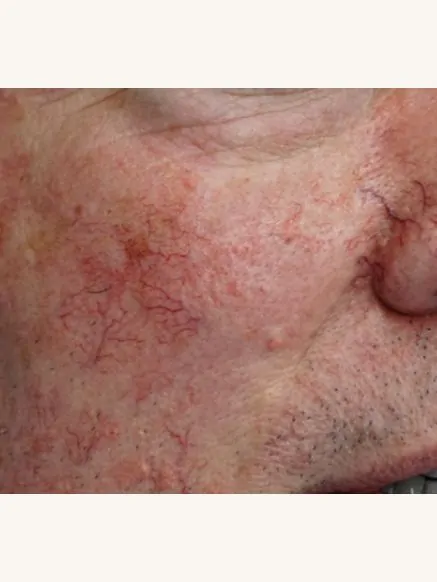
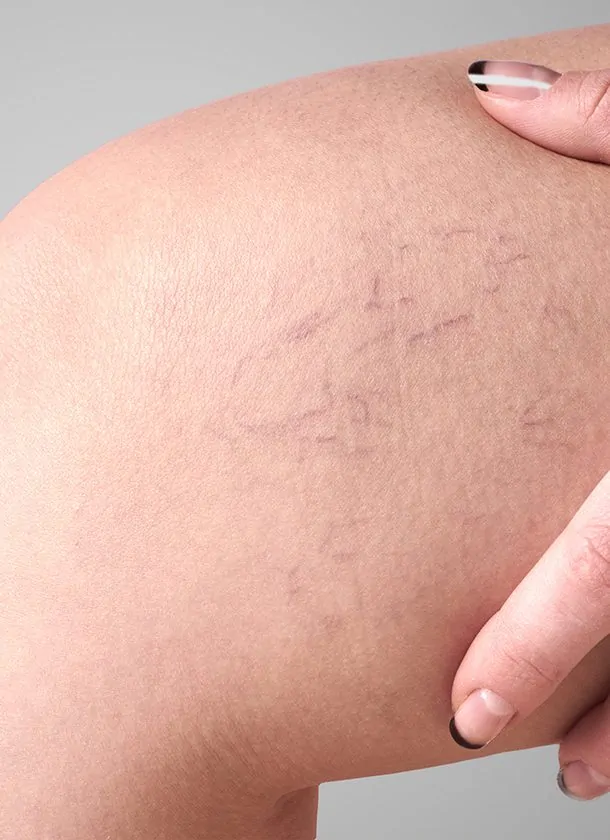

About Sclerotherapy
-
What is Sclerotherapy?
-
Sclerotherapy is a treatment that can help to remove spider veins and varicose veins, thus restoring a more even tone to the skin. The experts at Dr Nyla understand how the appearance of irregularities that show on the skin, can be unwanted by those who are affected. To remove these lesions can restore a more aesthetically pleasing appearance and improve self-confidence.
-
How does Sclerotherapy work?
-
Sclerotherapy is a proven medical treatment and has been used since the 1930’s. The process uses a very fine needle to inject a sclerosing agent directly into the vein. This solution works to reroute the blood flow into healthier veins, forcing the lining of the thread vein to collapse and become absorbed by the body.
Compressing the treated veins following treatment is often essential and your practitioner will make sure you are fitted with a suitable garment.
Treatments are administered by Dr Nyla’s team of medical professionals at the Medispa clinics in Cheshire, at Medispa Alderley Edge, Liverpool and Mayfair in London. The outcome of the sclerotherapy treatment can be permanent, as once the vein has been dispersed, it will not return. However, it is important to note that this does not mean that thread veins (also known as spider veins or venous flares) are prevented from developing on other areas of the face or body.
Why Choose Sclerotherapy?



Treatment Process

Enquiry

Consultation

Treatment

Post-treatment Care
FAQs
Your Questions, Answered
Dr Nyla answers the most common questions. If you have a specific question, our team are on hand. Contact us today to get started.
-
Am I suitable for sclerotherapy?
-
This treatment may be an effective solution for men and women who are looking to remove thread veins or varicose veins from the face or body. A consultation will always be required before you are deemed suitable and any treatment is recommended. You may be advised against this procedure if you are pregnant, are taking birth control pills or have a history of blood clots.
-
Is sclerotherapy safe?
-
As a non-invasive treatment, sclerotherapy is considered to be a safe solution for removing thread veins and varicose veins. Dr Nyla’s team are expertly trained professionals who use both precision and care when carrying out this procedure.
-
Does sclerotherapy hurt?
-
A sensation, similar to a scratch, can often be felt when the injection is being administered. In some cases, a larger vein can ache, cramp or become temporarily numb as the solution is applied.
-
Are there any side effects or risks?
-
Commonly experienced side effects include: swelling, bruising, redness, itching and puncture marks on the skin. Other effects such as blistering or skin discolouration are less common, and are usually temporary.
-
Is there any sclerotherapy aftercare to consider?
-
You should be able to drive immediately after the treatment and keeping mobile is advised. Your practitioner will advise how long to wear a compression garment for, as well as recommending the use of cool packs on sensitive skin. Things to avoid include: ibuprofen, aspirin, direct sunlight, saunas and hot baths.
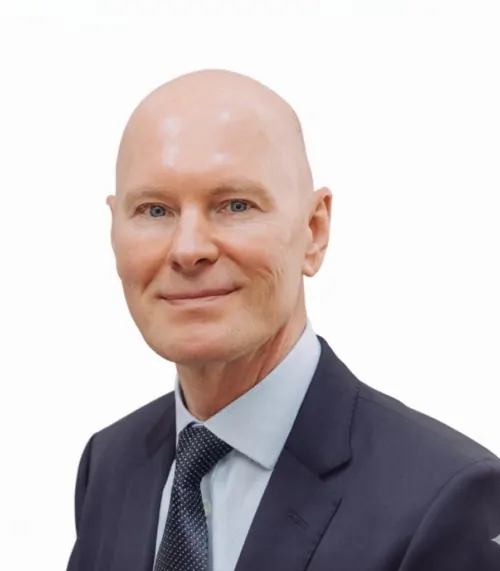
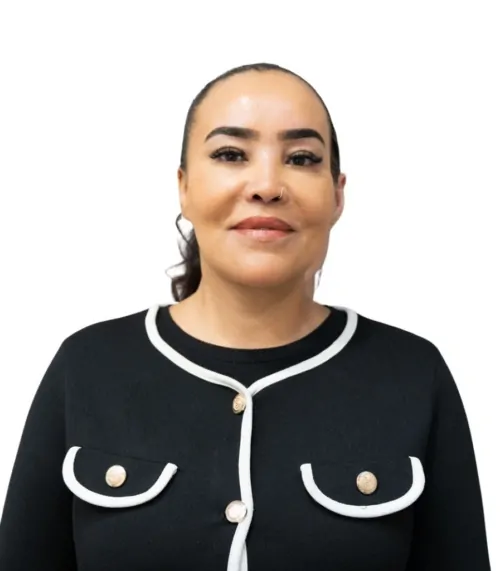
Our Medical Team








Clinic Locations
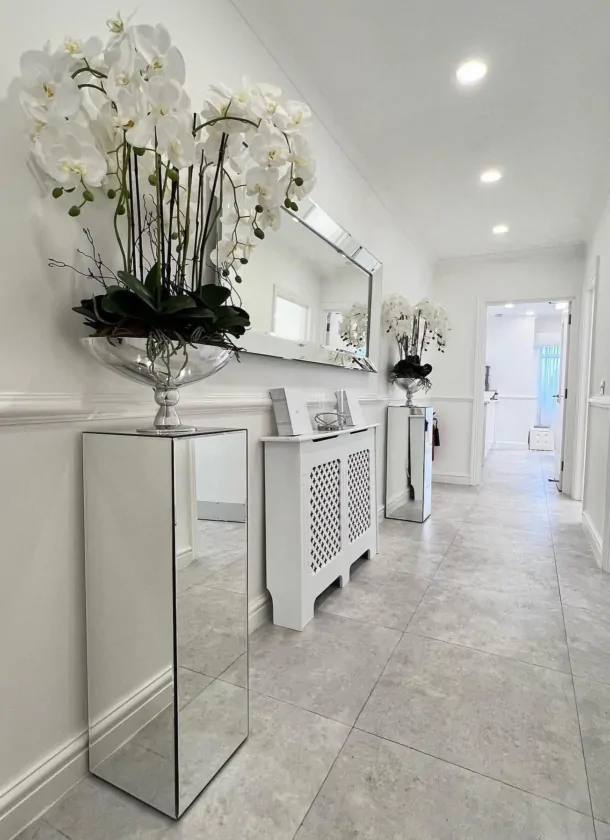
We have three beautiful clinic locations. From our founding Cheshire clinic, to our flagship London Mayfair address in the heart of the capital’s most prestigious district, and our elegant Liverpool location in desirable Crosby, each clinic delivers world-class treatments in luxurious surroundings.

London Mayfair
32 Dover Street
Mayfair
London
W1S 4NE
Our Mayfair clinic is the perfect in London due to it’s proximity to a variety of railway stations and transport links, including Paddington, King’s Cross, St. Pancras, Euston and Marylebone stations.

Cheshire
Castlerock House
Wilmslow Road
Alderley Edge
Cheshire
SK9 7QL
Only 14 miles from central Manchester or 12 miles from the M6. Our Cheshire clinic has free parking and sits nearby luxury shops, bars and cafes.
Liverpool
1 Kenilworth Road
Crosby
Merseyside
Liverpool
L23 3AD
Our Liverpool clinic is based in the highly desirable area of Crosby in the North of the city. There is plenty of free parking.