
Who Is Suitable for Botox, and When Might Treatment Not Be Appropriate?

Clinical guidance from Dr Nyla Raja MBChB (Hons), MRCGP (Dist), DFFP, DPDermatology - GMC No. 6057913
Who Is Suitable for Botox? At a Glance
Suitability for Botox® is determined by more than age or the presence of facial lines. Botulinum toxin type A works by temporarily reducing activity in selected muscles, so treatment is most appropriate when the concern is related to muscle movement and when the patient’s anatomy, medical history, expectations, and treatment goals support its use.
Some patients may be suitable for treatment with an individualised dose and injection pattern, while others may be advised to delay treatment, consider an alternative approach, or not proceed. Pregnancy or breastfeeding, certain neurological or muscular conditions, medicines that affect neuromuscular function, active infection, and unrealistic treatment expectations are among the factors that may influence this decision.
- Suitable patients: typically have a concern related to facial muscle activity, realistic expectations, and no medical reason that makes treatment inappropriate.
- Age: chronological age alone does not determine suitability. Facial anatomy, muscle strength, line formation, and treatment goals are more informative in adults.
- Medical assessment: current health, medicines, previous Botox treatment, allergies, neurological history, pregnancy or breastfeeding, and other relevant factors should be reviewed before prescribing.
- Alternative treatments: Botox may not be the most appropriate treatment for concerns primarily caused by volume loss, skin laxity, pigmentation, scarring, or skin texture.
Botulinum toxin is a prescription-only medicine in the UK. Suitability should therefore be determined following an appropriate medical assessment rather than from age, photographs, or general information online.
Who Is Suitable for Botox?
Botox may be appropriate for an adult whose concern is caused, at least in part, by repeated facial muscle activity and for whom treatment can be prescribed safely following clinical assessment.
Common examples include dynamic forehead lines, frown lines between the eyebrows, and lines around the outer eyes. In suitable patients, carefully placed botulinum toxin can reduce excessive muscle activity while retaining appropriate facial movement and expression.
Suitability depends on several factors considered together:
- The concern the patient would like to address
- Whether muscle activity is contributing significantly to that concern
- Facial anatomy and existing asymmetry
- Muscle strength and movement pattern
- Medical history
- Current medicines
- Previous response to botulinum toxin
- Potential contraindications or precautions
- The patient’s expectations
- Whether Botox is likely to produce an appropriate clinical and aesthetic benefit
The presence of a line or wrinkle does not automatically mean Botox is the correct treatment. A line may be caused by muscle activity, skin ageing, volume loss, structural change, or a combination of these factors.
Clinical Note from Dr Nyla Raja
We assess why a line or facial change is present before deciding how to treat it. If muscle activity is the principal cause, Botox may be appropriate. If the concern is mainly related to skin quality, loss of volume, or structural ageing, reducing muscle activity alone may not address what the patient is actually seeing.
Which Concerns Can Botox Appropriately Treat?
In aesthetic medicine, botulinum toxin is most commonly used to modify lines and facial changes associated with repeated muscle contraction.
Depending on individual anatomy and clinical assessment, treatment may be considered for concerns such as:
- Frown lines between the eyebrows
- Horizontal forehead lines
- Crow’s feet around the outer eyes
- Certain patterns of eyebrow position or excessive muscular pull
- Selected lower-face concerns where altering muscle activity is clinically appropriate
The objective should not automatically be complete elimination of movement. Facial muscles contribute to expression and, in some areas, provide functional support to surrounding structures.
A treatment plan should therefore define what degree of muscle relaxation is appropriate rather than assuming that maximum weakening will produce the best result.

Dynamic Lines vs Static Lines
A dynamic line becomes more apparent when a muscle contracts. These are the lines most directly influenced by botulinum toxin.
A static line remains visible when the face is relaxed. Long-standing dynamic lines can gradually become etched into the skin, so reducing muscle activity may soften their appearance over time, but established static lines may not disappear completely.
Where skin texture or an established crease is the main concern, Botox may form only one part of the treatment plan, or another approach may be more suitable.
Does Age Determine Whether You Are Suitable for Botox?
There is no single adult age at which Botox automatically becomes necessary or appropriate.
Chronological age is only one part of the assessment. Two people of the same age may have very different muscle strength, facial anatomy, skin quality, sun exposure history, expression patterns, and treatment goals.
Similarly, an older patient is not automatically more suitable than a younger adult simply because more lines are present. If those lines are predominantly caused by skin laxity, volume loss, or structural ageing, Botox alone may provide limited benefit.
In adults, treatment should therefore be guided by clinical indication rather than a particular birthday.
What About “Preventative Botox”?
The term “preventative Botox” is often used to describe treatment in younger adults before lines become deeply established. The principle is that reducing repeated muscle contraction may reduce the degree to which dynamic lines become etched into the skin.
However, being a younger adult does not itself create an indication for treatment. If there is little relevant muscle activity, no meaningful concern, or no clear clinical benefit, treatment may not be necessary.
We do not recommend Botox simply because a patient has reached a certain age or because friends of the same age are having treatment.
Clinical Note from Dr Nyla Raja
Age is not how we decide whether someone needs Botox. I am more interested in how their muscles move, whether lines are dynamic or already present at rest, how the brows and surrounding structures are supported, and what the patient actually wants to achieve. In some patients, the appropriate recommendation is not to treat yet.
Botox and Patients Under 18
Cosmetic botulinum toxin treatment for people under 18 is subject to specific legal restrictions in England. Under the Botulinum Toxin and Cosmetic Fillers (Children) Act 2021 guidance, it is unlawful to administer or arrange cosmetic botulinum toxin treatment for someone under 18 except in defined medical circumstances.
This is separate from the question of whether an adult patient is clinically suitable for cosmetic Botox. For adults, age remains only one component of a broader medical and anatomical assessment.
Why Muscle Activity Matters
Botulinum toxin changes the communication between nerves and selected muscles. You can read our guide explaining Botox for more information about how the treatment works. The practitioner therefore needs to understand not only where a line appears, but which muscle or combination of muscles is producing it.
During assessment, the patient may be asked to frown, raise the eyebrows, smile, or make other expressions so that muscle strength and movement can be observed.
This helps identify:
- Which muscles are contributing to the concern
- How strongly those muscles contract
- Existing differences between the two sides of the face
- How one group of muscles balances another
- Whether reducing a particular muscle could create unwanted heaviness or asymmetry
For example, the forehead muscle helps elevate the eyebrows. In a patient who relies heavily on that muscle to maintain brow position, excessive treatment may create unwanted heaviness. This does not necessarily mean Botox cannot be used, but it may alter the dose, placement, or extent of treatment considered appropriate.

How Medical History Affects Botox Suitability
Because botulinum toxin is a prescription-only medicine, a relevant medical history should be taken before treatment. Our guide to Botox safety and how treatment is planned safely explains the wider clinical standards involved, including prescribing, facial anatomy, dose and placement, product sourcing, hygiene, informed consent, and follow-up.
Your clinician may ask about:
- Current and previous medical conditions
- Neurological or neuromuscular disorders
- Problems with swallowing or breathing
- Previous facial surgery, nerve injury, or facial weakness
- Known allergies
- Previous botulinum toxin treatments
- Previous unexpected or adverse reactions
- Current prescription medicines
- Recent antibiotics or other relevant medication
- Pregnancy or breastfeeding
- Current infections or illness
The purpose is not to exclude patients unnecessarily. It is to identify whether any aspect of their health changes the potential benefit or risk of treatment.
If a relevant issue is identified, treatment may be modified, postponed, declined, or discussed with another healthcare professional before a decision is made.
Botox During Pregnancy and Breastfeeding
Elective cosmetic Botox treatment is generally not recommended during pregnancy because adequate clinical data on botulinum toxin type A use in pregnant women are not available.
The UK BOTOX Summary of Product Characteristics states that BOTOX is not recommended during pregnancy. It also states that there is insufficient information about whether BOTOX is excreted into human milk and that use during breastfeeding cannot be recommended.
For elective aesthetic treatment, where there is no medical need to proceed immediately, the appropriate approach is therefore usually to defer treatment during pregnancy and breastfeeding.
If you discover that you are pregnant after having received botulinum toxin, contact an appropriate healthcare professional for individual advice rather than assuming that a complication will occur.
Neurological and Muscular Conditions
Botulinum toxin acts at the neuromuscular junction, so certain conditions affecting nerves or muscles are particularly relevant during assessment.
Examples may include conditions associated with abnormal neuromuscular transmission or muscle weakness, such as myasthenia gravis or Lambert-Eaton syndrome. Other neurological conditions, previous nerve injuries, or unexplained weakness may also require additional consideration.
This does not mean every neurological diagnosis has the same implications. The relevance depends on the individual condition, its severity, the proposed treatment, and the specific botulinum toxin medicine being considered.
Patients should therefore disclose neurological and muscular conditions even if symptoms are currently well controlled.
Can Medications Affect Botox Treatment?
Some medicines can influence neuromuscular function or otherwise affect the clinical assessment before botulinum toxin treatment.
For example, the BOTOX prescribing information notes that the effect of botulinum toxin may theoretically be increased by certain medicines that interfere with neuromuscular transmission, including aminoglycoside antibiotics and neuromuscular blocking agents.
Other medicines may be relevant because they increase bruising or because they relate to an underlying medical condition that needs to be understood before treatment.
Tell your prescribing clinician about prescription medicines, over-the-counter medicines, and relevant supplements rather than stopping them independently.
Do not stop or alter medically necessary medication simply to have Botox treatment. Any medication change should be discussed with the clinician responsible for prescribing it.
Active Infection and Skin Conditions
An active infection at a proposed injection site is a contraindication to BOTOX treatment according to the UK product information.
Examples that may lead a clinician to postpone an elective appointment include significant local inflammation, infected skin, or another condition affecting the integrity of the proposed injection area.
Even when a skin concern is not a formal contraindication, the clinician may decide that treatment is better delayed until the area is healthy and can be assessed more reliably.
If you develop an infection or significant illness shortly before your appointment, contact our clinical team so that we can advise whether your treatment should proceed.
Expectations and Reasons Treatment May Be Declined
A patient’s goals are an important part of medical suitability.
The GMC guidance on cosmetic interventions requires doctors to understand why a patient is requesting treatment and the outcome they hope to achieve. If the intervention is unlikely to deliver the desired outcome or be of overall benefit, the doctor should explain this and should not provide treatment if it remains inappropriate.
Examples of expectations that may require further discussion include:
- Expecting all facial lines to disappear completely
- Wanting the face to remain entirely movement-free
- Expecting Botox to lift significantly lax skin
- Expecting Botox to replace lost facial volume
- Seeking an exact copy of another person’s result
- Expecting permanent results rather than understanding how long Botox typically lasts
- Requesting treatment despite there being little clinical indication
Treatment should also be voluntary. A patient should not proceed because of pressure from a partner, family member, social media trend, or event deadline.
When the Appropriate Decision Is Not to Treat
A responsible consultation does not have to end with an injection.
Treatment may be declined or postponed when:
- There is a medical contraindication or unresolved health concern
- The patient is pregnant or breastfeeding
- There is active infection at the proposed injection site
- The treatment goal cannot reasonably be achieved with Botox
- The requested dose or treatment pattern would risk an unnatural or functionally inappropriate result
- The patient’s expectations remain unrealistic after discussion
- There is insufficient information about previous treatment or a previous adverse reaction
- Another treatment, or no treatment, would be more appropriate
Clinical Note from Dr Nyla Raja
Being medically eligible for Botox does not automatically mean that treatment is the right recommendation. We also consider whether there is a genuine indication, whether the expected benefit justifies treatment, and whether the patient’s goals can be achieved without compromising facial balance or natural expression.
When Another Treatment May Be More Appropriate
Botox primarily addresses muscle activity. It cannot correct every feature associated with facial ageing or skin change.
During consultation, we first identify the underlying cause of the concern before deciding whether botulinum toxin is appropriate.
Facial Volume Loss
Hollowing, loss of projection, and changes in facial contour are often related to changes in fat, bone, and soft-tissue support rather than excessive muscle activity.
In selected patients, dermal fillers may be considered when the primary objective is restoring support or volume. This is a different treatment with its own indications and risk profile and should be assessed separately.

Skin Texture and Fine Surface Lines
Fine lines caused principally by skin quality, photodamage, or textural change may not respond adequately to Botox alone.
Depending on the skin and clinical objective, treatments such as chemical peels, microneedling, or selected medical facial treatments may be considered as part of a broader skin plan.
Skin Laxity
Botox can influence muscle pull but does not replace lost collagen or substantially tighten loose skin.
Where laxity is the dominant concern, an alternative regenerative or skin-tightening treatment may be more appropriate than simply increasing the botulinum toxin dose.
Deep Static Lines
If a crease remains clearly visible when the face is completely relaxed, reducing muscle activity may soften further movement but may not remove the established line.
A combined or staged approach may sometimes be considered, depending on the area, skin quality, and patient’s anatomy.
Natural Facial Asymmetry
All faces have some degree of asymmetry. Botox can sometimes be used to alter differences caused by muscle activity, but not every asymmetry is muscular.
If the difference is caused by bone structure, soft-tissue volume, previous surgery, nerve function, or another anatomical factor, Botox may have limited benefit or could make the imbalance more noticeable if used without appropriate assessment.
What Happens During a Botox Suitability Consultation?
A suitability consultation should allow the treatment decision to be made before any injections take place.
The assessment may include:
- Discussing the concern and desired outcome
- Reviewing relevant medical history and medicines
- Discussing previous botulinum toxin treatment
- Assessing the face at rest
- Observing facial movement and muscle strength
- Identifying existing asymmetry
- Considering brow and eyelid position where relevant
- Determining whether Botox can realistically address the concern
- Discussing potential Botox side effects and complications
- Considering alternative treatments or no treatment
Botulinum toxin is a prescription-only medicine in the UK. Under GMC prescribing guidance, doctors must physically examine patients before prescribing injectable cosmetic medicines such as Botox and should not prescribe them solely through a remote consultation.
The consultation should also give the patient enough information and time to make a voluntary decision. Consent is not simply a signature; it requires an understanding of expected benefits, limitations, risks, alternatives, and what happens after treatment.
Why Individualised Dosing Matters
If treatment is appropriate, the dose and injection pattern should reflect the patient’s anatomy and muscle activity rather than a fixed template.
A person with strong frown muscles may require a different plan from someone with relatively mild muscle activity. Likewise, a patient with a lower brow position may require a different forehead strategy from someone with naturally higher brows.
Individualisation is therefore relevant to both treatment quality and risk reduction.

Book in a Free Consultation With Our Expert Team
- Award-winning, doctor-led aesthetic clinics
- Locations in London, Cheshire, and Liverpool
- Over 50 non-surgical treatments available
- Free consultation with a personalised plan
Botox Suitability FAQs
What age should you start Botox?
There is no universal adult age at which Botox should be started. Suitability depends on facial movement, anatomy, the concern being treated, medical history, and whether treatment is likely to provide an appropriate benefit. In England, cosmetic botulinum toxin treatment for under-18s is legally restricted.
Am I suitable for Botox if I only have fine lines?
Possibly, but the cause of the lines matters. Lines caused predominantly by repeated muscle movement may respond to Botox, while fine surface lines caused mainly by skin texture or photodamage may be better addressed with a skin-focused treatment.
Can I have Botox while pregnant?
Elective cosmetic Botox is generally deferred during pregnancy. UK product information states that BOTOX is not recommended during pregnancy because adequate human pregnancy data are unavailable.
Can I have Botox while breastfeeding?
For BOTOX, available UK prescribing information states that there is no information on whether the medicine is excreted into human milk and that use during breastfeeding cannot be recommended. Elective aesthetic treatment is therefore generally postponed.
Can I have Botox if I take medication?
Many patients taking medication may still be suitable, but all medicines should be disclosed before treatment. Certain medicines that affect neuromuscular transmission can be particularly relevant, and other medications may influence bruising or reflect medical conditions that need consideration.
Can I have Botox while taking antibiotics?
It depends on the antibiotic, why it is being taken, and your current health. Certain antibiotic classes, including aminoglycosides, may interact with neuromuscular transmission. An active infection may also be a reason to postpone elective treatment. Discuss the specific medicine with your prescribing clinician.
Can people with neurological conditions have Botox?
Some neurological and neuromuscular conditions require particular caution and may make elective aesthetic treatment inappropriate. Suitability depends on the specific diagnosis, symptoms, medicines, and proposed treatment and should be assessed medically.
Can I have Botox if I have a skin infection?
Botox should not be injected into an area with active infection. If you develop a skin infection, significant inflammation, or another new skin problem close to your appointment, contact the clinic before attending for treatment.
Can Botox treat deep wrinkles that are visible at rest?
Botox can reduce the repeated muscle movement contributing to some lines, but an established static crease may remain visible. Skin quality and the depth and duration of the line affect the result, and another treatment may sometimes be considered alongside or instead of Botox.
Can Botox treat sagging skin?
Botox is not primarily a skin-tightening treatment. It can alter muscular pull in carefully selected situations, but clinically significant skin laxity may require a different treatment strategy.
Can a doctor say no to Botox treatment?
Yes. A practitioner should decline or postpone treatment when it is medically inappropriate, unlikely to provide the desired benefit, contraindicated, or inconsistent with responsible aesthetic care. GMC guidance on cosmetic interventions specifically requires doctors not to provide an intervention when they believe it will not be of overall benefit to the patient.
How do I find out whether Botox is suitable for me?
A medical consultation is the appropriate way to determine suitability. This allows your health, medicines, facial anatomy, muscle movement, previous treatment, expectations, and alternative options to be considered together rather than assessing suitability from age or photographs alone.
Botox Suitability at Dr Nyla Medispa
Suitability for Botox is individual. Age, on its own, is not an indication for treatment. The decision should be based on the concern being treated, muscle activity, facial anatomy, medical history, medicines, previous treatment, expectations, and whether reducing muscle activity is likely to produce an appropriate result.
At Dr Nyla Medispa, Botox treatment is approached as a prescription medical treatment. Assessment considers the face at rest and in movement, with treatment planned to preserve facial balance and natural-looking expression rather than applying an identical injection pattern to every patient.
Where Botox is not appropriate, the consultation may result in treatment being postponed, declined, or an alternative approach being discussed. Not treating is sometimes the most appropriate clinical recommendation.
If you have a question about an existing treatment or medical suitability, you can contact Dr Nyla Medispa or call our team on 0800 009 6661.
If you are considering Botox and would like an individual assessment of your facial anatomy, muscle activity, treatment goals, and medical suitability, you can book a free consultation at our London, Cheshire, or Liverpool clinic.
Need Guidance in Selecting the Most Appropriate Treatment?
Related Treatments

Anti-Wrinkle Injections

Dermal Fillers
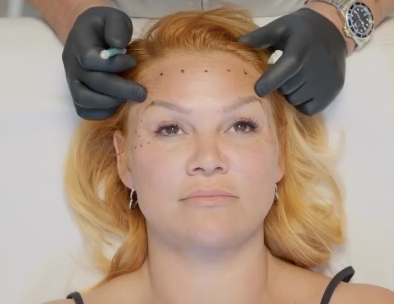
8 Point Facelift
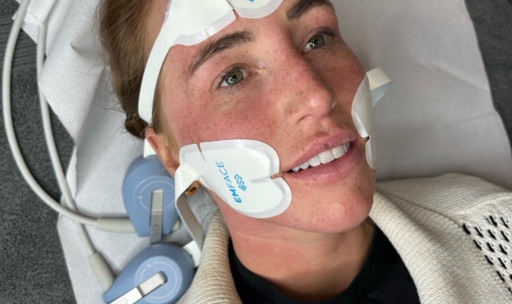
EMFACE Facial Lifting

About the Author
Considering treatment? Book a free consultation at our clinics in Mayfair London, Alderley Edge Cheshire, or Crosby Liverpool, or call 0800 009 6661.