
Who Is Suitable for XERF, and When Might Another Treatment Be Better?

Clinical guidance from Dr Nyla Raja MBChB (Hons), MRCGP (Dist), DFFP, DPDermatology - GMC No. 6057913
Who Is Suitable for XERF? At a Glance
XERF™ is a non-invasive monopolar radiofrequency skin-tightening treatment designed to improve skin firmness, laxity, and overall tissue quality. It combines 6.78 MHz and 2 MHz radiofrequency energy, allowing controlled heating across different tissue depths without needles or surgical incisions.
XERF is generally most appropriate for people with mild to moderate skin laxity, early softening of the jawline, reduced facial firmness, or developing neck laxity who want a gradual, non-surgical improvement rather than a surgical-level lift.
Patient selection is important. XERF is principally a skin-tightening treatment, not a treatment for pockets of unwanted fat. It also does not replace lost facial volume or remove significant excess skin. Where another anatomical change is driving the concern, a different treatment may be more appropriate.
- Often suitable for: mild to moderate skin laxity
- Common facial concerns: softer jawline, early jowling, reduced cheek firmness, and loss of lower-face definition
- Common neck concerns: mild laxity, reduced firmness, and early crepiness
- May also be considered for: selected areas of mild body skin laxity
- Less suitable for: substantial excess skin or advanced tissue descent
- Does not primarily treat: localised fat, marked facial volume loss, pigmentation, or significant acne scarring
- Medical screening: is required before treatment, particularly where implanted devices, pregnancy, active skin disease, or relevant medical conditions are present
The correct treatment depends on the tissue responsible for the concern. A softer jawline, for example, can result from skin laxity, facial fat, volume loss, skeletal structure, or a combination of these factors.
What Is XERF?
XERF is a non-invasive radiofrequency treatment developed by Cynosure Lutronic. It uses dual-frequency monopolar radiofrequency at 6.78 MHz and 2 MHz, with adjustable treatment depths and intensities.
The aim is to create controlled heating within selected tissue layers, producing thermal effects associated with collagen contraction and longer-term collagen remodelling.
Unlike RF microneedling, XERF does not use needles to deliver radiofrequency energy through the skin. It is also not a laser and does not rely on targeting pigment.
The manufacturer describes the system as delivering energy across shallow, middle, and deeper tissue layers, with integrated cooling and real-time impedance monitoring to help control treatment delivery. More information is available from the manufacturer’s clinical information on XERF radiofrequency technology.
Published clinical research on dual-frequency radiofrequency for facial laxity has reported improvements following treatment, although XERF is a relatively new platform and its longer-term evidence base continues to develop.

Who Is Suitable for XERF?
XERF is generally most suitable when the primary concern is loss of skin firmness or mild to moderate tissue laxity.
Potential candidates may notice:
- Early softening of the jawline
- Mild jowling
- Reduced definition through the lower face
- Skin that feels less firm than previously
- Mild laxity beneath the chin
- Early neck looseness
- Crepey or less resilient skin
- Mild laxity affecting selected body areas
The degree of change sought also matters. XERF is designed for non-surgical refinement. Someone seeking a modest improvement in firmness may be an appropriate candidate; somebody expecting substantial repositioning of descended tissue may not be.
XERF Is Best Suited to Mild to Moderate Skin Laxity
The distinction between mild, moderate, and advanced laxity is important.
With mild laxity, patients may notice that the jawline is becoming less crisp or that the skin no longer feels as firm as it once did. Moderate laxity may involve more visible jowling or neck looseness, but without large folds of redundant skin.
These are the types of changes for which non-surgical skin tightening can be considered.
Where there is significant skin redundancy, pronounced jowling, or considerable tissue descent, repeated non-surgical treatment should not be presented as equivalent to surgery. There is a point at which increasing energy or adding more sessions cannot reproduce the mechanical repositioning and removal of tissue achievable surgically.
Clinical Note from Dr Nyla Raja
The first question is not simply whether somebody wants tighter skin. We need to establish how much true laxity is present and what else is contributing to the appearance. Non-surgical treatment works best when the expected degree of improvement is proportionate to what the technology can realistically achieve.
Is XERF Suitable for the Face and Jawline?
Yes, where reduced firmness and early tissue laxity are important contributors.
Common areas considered for treatment include the cheeks, lower face, jawline, and submental region beneath the chin.
A softer jawline, however, is not a diagnosis in itself. Its appearance may be influenced by:
- Skin laxity
- Jowl formation
- Localised facial or submental fat
- Loss of cheek or jawline support
- Chin projection
- Skeletal anatomy
- Muscle activity
XERF may be useful when skin laxity is a meaningful part of that picture. It is less likely to provide enough improvement where another anatomical factor is dominant.
Is XERF Suitable for Neck Skin Tightening?
The neck can be a suitable treatment area when the concern involves mild to moderate loss of skin firmness.
Patients may notice fine crepiness, reduced elasticity, or a less defined transition between the lower face and neck.
However, neck ageing is often multifactorial. Prominent platysmal bands, substantial submental fat, significant excess skin, or changes in underlying anatomy will not necessarily respond adequately to radiofrequency tightening alone.
Our page on neck skin tightening treatments explains the different approaches that may be considered according to the underlying concern.
Do Age and Skin Quality Affect XERF Suitability?
Chronological age alone is not a reliable way to decide whether XERF is appropriate.
Skin thickness, elasticity, collagen quality, degree of laxity, previous sun exposure, previous procedures, facial volume, and overall anatomy may be more clinically relevant than age itself.
A patient in their forties with substantial laxity may have different requirements from a patient in their sixties with relatively good skin quality and modest loss of firmness.
Skin tone is also not assessed in the same way as with some pigment-targeting lasers because radiofrequency does not depend on selective absorption by melanin. XERF may therefore be considered across a broad range of skin tones, although individual assessment remains necessary.
XERF Tightens Skin; It Is Not a Fat-Reduction Treatment
This is one of the most important distinctions when deciding whether XERF is appropriate.
XERF should primarily be regarded as a skin-tightening treatment rather than a treatment for pockets of unwanted fat.
A patient may describe the lower face or area beneath the chin as “sagging” when much of the visible fullness actually comes from subcutaneous fat. Tightening the overlying tissue does not necessarily address that volume.
Similarly, loose skin on the abdomen and localised abdominal fat are separate concerns even though they can occur together.
Where localised fat is the dominant problem, a treatment specifically designed for fat reduction may be more appropriate. For example, patients concerned by submental fullness may need assessment for double chin reduction rather than assuming that skin tightening alone will create the desired change.
Some patients have both laxity and localised fat. In these cases, the treatment sequence matters, and a combined plan may be more appropriate than expecting one procedure to address both tissues.

When Facial Volume Loss Is the Main Concern
Facial ageing frequently involves volume loss as well as changes in the skin.
If the cheeks, temples, or mid-face appear hollow or deflated, radiofrequency cannot replace the volume that has been lost.
Tightening already depleted tissue may not address the principal cause of the concern and, in a very lean face, treatment planning requires particular care.
Where structural volume loss is the predominant issue, carefully planned dermal filler treatment or another regenerative or volumising approach may be considered instead of, or alongside, skin tightening.
This does not mean every patient with volume loss requires filler. It means that volume and laxity should be assessed separately before treatment is selected.
When Is XERF Unlikely to Deliver Enough Improvement?
XERF is unlikely to be the right standalone treatment when the amount of structural change required exceeds what non-invasive collagen remodelling can reasonably achieve.
This may include:
- Pronounced jowling
- Large folds of loose neck skin
- Significant tissue descent
- Marked skin redundancy following major weight loss
- A desire for a dramatic facelift-type result
- A need for physical removal of excess skin
In these circumstances, a surgical consultation may provide a more realistic understanding of the available options.
Choosing not to recommend XERF can therefore be an important part of appropriate patient care. The question is not whether a device can produce some change, but whether the likely degree of change justifies treatment for that particular patient.
What If My Main Concern Is Texture, Scarring, or Pigmentation?
XERF may improve aspects of overall skin quality through collagen remodelling, but it is not necessarily the most targeted treatment when the primary concern is something else.
For example:
- Acne scarring or enlarged pores: RF microneedling or other resurfacing treatments may provide more targeted tissue remodelling.
- Brown pigmentation: appropriate pigment-directed treatments may be more relevant.
- Redness or visible vessels: vascular or light-based treatments may be more appropriate.
- Significant surface texture change: resurfacing treatments may provide greater benefit than tightening alone.
Our wider range of medical and advanced skin treatments allows different concerns to be assessed independently rather than treating every sign of ageing with one platform.
Who May Not Be Suitable for XERF?
Although XERF is non-invasive, radiofrequency treatment still requires medical screening.
Treatment is generally avoided or requires specific medical review in circumstances including:
- Pregnancy or breastfeeding
- Pacemakers, implanted defibrillators, neurostimulators, cochlear implants, or certain other active electronic devices
- Relevant metal implants in or near the treatment area
- Active infection in the area being treated
- Open wounds or significant active inflammation
- Certain uncontrolled medical conditions
- Conditions that significantly affect healing
- Recent procedures in the same area where additional treatment would be clinically inappropriate
Published XERF clinical literature has excluded patients with pregnancy, breastfeeding, implanted electronic devices, and relevant metal hardware, reinforcing the importance of pre-treatment screening. Patients should disclose all medical conditions, medicines, implanted devices, and recent aesthetic procedures during consultation.
Contraindication lists should not be used as a self-screening tool. Whether treatment is appropriate depends on the individual circumstances and the manufacturer’s current guidance. Our guide to XERF safety, side effects, and aftercare explains the precautions and potential treatment reactions in more detail.
What Results Should a Suitable XERF Patient Expect?
The most appropriate expectation is gradual improvement in firmness and definition, rather than a dramatic transformation.
Some patients may notice an early tightening effect, while further change develops over subsequent weeks and months as tissue remodelling occurs. The XERF results timeline explains when improvements typically become noticeable and how long they may last.
The degree of improvement varies according to:
- Initial degree of laxity
- Skin thickness and quality
- Treatment area
- Age-related tissue changes
- Individual biological response
- Treatment settings and protocol
- Number of sessions recommended
Some patients may benefit from one treatment, while others may be advised to undergo a tailored course. More sessions should not be assumed to compensate for poor patient selection.
When Might Another Treatment Be Better Than XERF?
The alternative depends on why XERF is not the best anatomical match.
When Deeper Ultrasound Tightening Is Preferred
A treatment such as Ultherapy may be considered where a microfocused ultrasound approach is clinically preferred.
When Another Non-Invasive Ultrasound Treatment Is Preferred
Sofwave is another ultrasound-based skin-tightening option. It uses a different technology from XERF and should be selected according to the treatment area, anatomy, skin characteristics, and desired outcome rather than viewed as interchangeable.
When Texture or Scarring Is More Important
RF microneedling may be more useful when concerns such as acne scarring, pores, and textural irregularity are important alongside laxity because it combines controlled needling with radiofrequency energy.
When Volume Loss Is Driving the Appearance
A volume-restoring treatment may be more appropriate than further skin tightening.
When Localised Fat Is the Main Concern
A dedicated fat-reduction strategy may be required instead of XERF.
When There Is Significant Excess Skin
Surgical assessment may be more appropriate where the desired improvement requires substantial tissue removal or repositioning.
Clinical Note from Dr Nyla Raja
Good aesthetic assessment sometimes means recommending a different treatment, or no treatment at all. XERF can be useful when skin laxity is the correct target, but it should not be expected to replace missing volume, remove fat, or reproduce the effect of surgery.
Why Clinical Assessment Matters Before XERF
A consultation should determine both safety and treatment suitability.
Assessment should consider:
- The patient’s principal concern
- Degree of skin laxity
- Facial and neck anatomy
- Fat distribution
- Facial volume
- Skin thickness and quality
- Previous aesthetic treatments
- Relevant medical history
- Medicines and implanted devices
- Expectations and desired degree of change
This prevents a common problem in aesthetic medicine: selecting a device first and trying to make the patient’s concern fit the treatment.
At Dr Nyla Medispa, the objective is to identify the tissue responsible for the concern before recommending a procedure.
XERF at Dr Nyla Medispa
At Dr Nyla Medispa, XERF treatment is provided within a doctor-led, medically regulated clinic, with treatment planning based on individual skin condition, anatomy, medical history, and aesthetic goals.
Patients can consider XERF in Mayfair London, XERF in Alderley Edge Cheshire, or XERF in Crosby Liverpool.
A consultation allows us to determine whether the concern is predominantly laxity and whether XERF is likely to provide sufficient improvement. Where another treatment would more directly address the anatomy, this can be discussed instead.

Book in a Free Consultation With Our Expert Team
- Award-winning, doctor-led aesthetic clinics
- Locations in London, Cheshire, and Liverpool
- Over 50 non-surgical treatments available
- Free consultation with a personalised plan
XERF Suitability FAQs
Who is the ideal candidate for XERF?
XERF is generally best suited to healthy adults with mild to moderate skin laxity who want gradual, non-surgical improvement in firmness and definition.
Is XERF good for jowls?
It may help where early jowling is substantially related to skin and soft-tissue laxity. Pronounced jowls caused by significant tissue descent, facial fat, volume loss, or skeletal anatomy may require a different or combined approach.
Can XERF remove facial fat?
No. XERF should principally be considered a skin-tightening treatment rather than a fat-reduction procedure. Where localised fat is the main cause of fullness, a treatment specifically intended to reduce fat may be more appropriate.
Can XERF treat a double chin?
It may improve firmness beneath the chin where skin laxity is contributing to the appearance. It does not directly remove a substantial pocket of submental fat, so the cause of the fullness needs to be assessed first.
Can XERF replace dermal filler?
No. XERF and dermal filler address different anatomical changes. XERF is used for skin and tissue tightening, while filler can restore selected areas of lost volume or structural support.
Is XERF suitable for loose neck skin?
It may be suitable for mild to moderate neck laxity. Significant excess skin, prominent neck bands, or substantial submental fat may require another approach.
Is XERF suitable for severe sagging?
Generally, it is unlikely to provide enough improvement where laxity is advanced or significant excess skin is present. Surgical assessment may be more appropriate for patients seeking a substantial lift.
Can XERF improve acne scars?
XERF may support general collagen remodelling, but acne scarring is not necessarily its most specific indication. RF microneedling or other resurfacing treatments may be more appropriate where scarring is the principal concern.
Is XERF suitable for all skin tones?
Radiofrequency does not target melanin in the same way as pigment-specific lasers, so treatment may be considered across a broad range of skin tones. Medical history, skin condition, and individual suitability still need to be assessed.
Who should not have XERF?
Treatment is generally avoided during pregnancy and breastfeeding and may not be appropriate for people with certain implanted electronic devices, relevant metal implants, active infection or inflammation in the treatment area, or particular medical conditions. A full medical assessment is required before treatment.
Who Is Suitable for XERF? Choosing Treatment by Anatomy, Not Technology
XERF can be an appropriate option for patients with mild to moderate skin laxity, early jawline softening, reduced facial firmness, or developing neck laxity who want a non-invasive treatment with gradual results.
Its limitations are equally important. XERF is not primarily a fat-reduction treatment, does not restore lost facial volume, and cannot remove significant excess skin. Patients with advanced laxity, pronounced tissue descent, substantial localised fat, or a different primary skin concern may achieve a more appropriate result with another treatment.
The strongest indication for XERF is therefore not simply “ageing skin”. It is a clinically assessed pattern of laxity for which radiofrequency tightening is likely to provide a proportionate and worthwhile improvement.
If you are considering treatment, you can book a free consultation at Dr Nyla Medispa in Mayfair London, Alderley Edge Cheshire, or Crosby Liverpool to discuss your concerns, suitability, and whether XERF or another treatment is more appropriate.
Need Guidance in Selecting the Most Appropriate Treatment?
Related Treatments

XERF Skin Tightening

Sofwave Skin Tightening
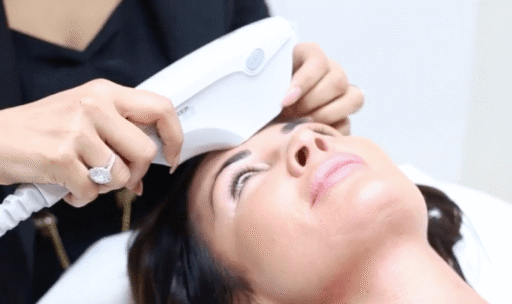
Ultherapy Skin Tightening
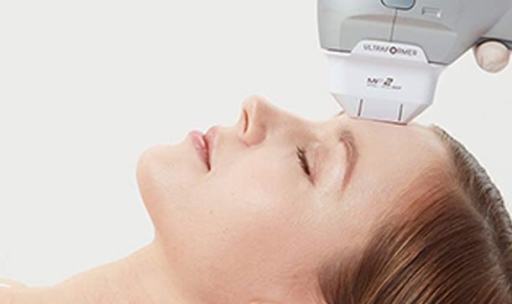
Ultraformer 3 HIFU Skin Tightening
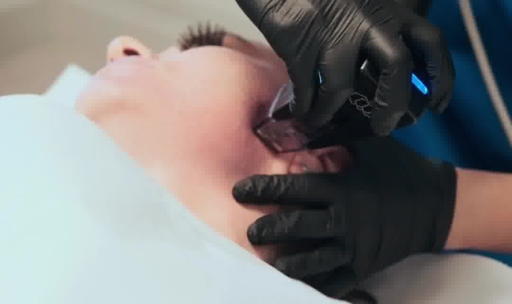
Morpheus8 RF Microneedling

About the Author
Considering treatment? Book a free consultation at our clinics in Mayfair London, Alderley Edge Cheshire, or Crosby Liverpool, or call 0800 009 6661.