
XERF Safety, Side Effects, and What to Expect After Treatment

Clinical guidance from Dr Nyla Raja MBChB (Hons), MRCGP (Dist), DFFP, DPDermatology - GMC No. 6057913
XERF Safety and Side Effects: At a Glance
XERF is a non-invasive radiofrequency skin tightening treatment that uses controlled thermal energy to heat selected tissue layers. The aim is to stimulate collagen remodelling and improve selected concerns such as mild skin laxity without surgery or needles. XERF is a radiofrequency treatment, not a laser.
Most patients experience relatively mild, temporary effects after treatment, such as warmth, redness, tenderness, or minor swelling. These responses usually settle without significant interruption to normal activities. However, describing XERF as having “little” or “no downtime” should not be interpreted as meaning that the treatment carries no risk.
Safe treatment depends on appropriate patient selection, careful assessment of the treatment area, correct device settings, controlled energy delivery, effective cooling, and practitioner experience. Thermal treatments can cause tissue injury if used inappropriately, which is why consultation and clinical judgement remain important.
- Common temporary responses: warmth, redness, mild swelling, tenderness, or sensitivity
- Downtime: usually limited, although individual responses vary
- Cooling: used to protect the skin surface and improve treatment comfort during controlled heating
- Safety: depends on appropriate settings, treatment technique, skin assessment, and patient suitability
- More significant complications: uncommon, but thermal injury, blistering, prolonged pain, altered sensation, or pigmentary change require clinical review
- Aftercare: generally gentle skincare, sun protection, and avoiding excessive heat or irritation immediately after treatment
Any energy-based procedure can cause side effects. Patients should understand both the expected short-term responses and the symptoms that warrant advice from their treating clinic.
What Is XERF?
XERF is a non-invasive radiofrequency treatment used for selected skin-tightening and rejuvenation concerns.
Radiofrequency treatments work differently from lasers. Rather than relying on a specific wavelength of light, radiofrequency energy generates controlled heat within tissue.
The clinical aim is to deliver sufficient thermal stimulation to initiate collagen remodelling while protecting the skin surface and surrounding structures.
XERF may be considered where the primary concern is mild to moderate skin laxity or reduced tissue firmness. It should not be assumed to correct every cause of facial or body ageing. Volume loss, significant excess skin, localised fat, muscle activity, and skeletal structure may require different treatment approaches.

How Does XERF Use Thermal Radiofrequency?
Radiofrequency energy produces controlled heating within selected tissue layers. This thermal effect can influence existing collagen fibres and initiate biological processes involved in longer-term collagen remodelling.
The treatment is therefore based on controlled heating rather than tissue destruction.
Several factors influence how energy is delivered, including:
- The treatment area
- Tissue thickness
- Skin quality
- Energy settings
- Number of passes
- Treatment depth
- Contact between the treatment handpiece and skin
- Cooling
- Patient feedback during treatment
This is why the same settings should not automatically be applied to every patient or every anatomical area.
Is XERF Safe?
For appropriately selected patients, radiofrequency skin tightening can generally be performed with a favourable safety profile. This does not mean that adverse effects are impossible.
Thermal energy needs to be controlled carefully because excessive heating can damage the skin or deeper tissues. Appropriate treatment therefore relies on the combination of the device’s safety systems and the practitioner’s assessment, technique, and choice of settings.
Patients should also be given realistic information about the likely result. Increasing the intensity of treatment beyond appropriate parameters does not simply produce a better result and can increase the risk of complications.
Clinical Note from Dr Nyla Raja
With thermal treatments, the objective is controlled energy delivery rather than simply using the highest setting available. We assess the tissue, treatment area, skin condition, and patient response throughout the procedure so treatment can remain within an appropriate clinical range.
Why Is Cooling Important During XERF Treatment?
Controlled cooling is an important part of radiofrequency treatment.
While RF energy is intended to generate heat within the tissue, cooling helps protect the skin surface and can make treatment more tolerable.
Cooling does not eliminate every possible risk. It forms part of a broader safety approach that also includes:
- Correct patient selection
- Appropriate energy settings
- Good contact with the treatment area
- Careful treatment mapping
- Monitoring how the skin responds
- Listening to patient feedback
Unexpected or excessive pain during an energy-based procedure should not simply be ignored on the assumption that stronger discomfort means a more effective treatment.
Why Do Practitioner Technique and Device Settings Matter?
Radiofrequency devices allow practitioners to adjust treatment according to the patient and anatomical region.
The appropriate settings can depend on tissue depth, treatment location, skin condition, and the degree of heating required.
Areas with different tissue thicknesses should not necessarily be treated identically. The jawline, cheeks, neck, and body can each require different clinical considerations. Understanding how XERF uses radiofrequency at different tissue depths helps explain why energy delivery needs to be adapted to the individual treatment area.
Practitioner experience is important because safe treatment involves more than operating the device. It includes recognising anatomy, identifying contraindications, selecting appropriate parameters, monitoring thermal response, and knowing when treatment should be modified or stopped.
The NHS guidance on choosing a cosmetic practitioner recommends checking the practitioner’s qualifications, training, experience, insurance, and arrangements for follow-up before undergoing a cosmetic procedure.
What Are the Common Side Effects of XERF?
Temporary treatment responses can occur because the procedure deliberately generates controlled heat within the tissue.
Common short-term effects may include:
- Redness
- A sensation of warmth
- Mild swelling
- Tenderness
- Temporary sensitivity
- Mild tingling or altered sensation
These effects are generally expected to settle progressively after treatment.
Some patients may notice very little visible reaction, while others can experience more obvious redness or swelling. Individual response varies according to the treatment area, settings, skin characteristics, and personal inflammatory response.
Less Common XERF Risks and Complications
More significant adverse effects are less common but are important to discuss before treatment.
Potential complications associated with thermal radiofrequency treatment can include:
- Persistent redness or swelling
- More significant pain or tenderness
- Burns or thermal injury
- Blistering
- Crusting
- Prolonged altered sensation
- Pigmentary change following inflammation or thermal injury
- Localised textural change
The risk profile can vary according to the treatment area, device parameters, patient characteristics, and technique.
A clinic describing XERF as requiring little downtime should still explain these possible complications during the consent process.
Who May Not Be Suitable for XERF?
Suitability should be determined during consultation rather than from a generic checklist alone.
XERF may be unsuitable, or treatment may need to be postponed, where relevant factors include:
- Pregnancy
- Active infection in the treatment area
- Open wounds or significant skin irritation
- Certain implanted electrical or electronic medical devices
- Relevant metal implants within or close to the treatment field
- Significant impairment of sensation in the treatment area
- Active inflammatory skin disease
- Recent procedures that have not fully healed
- Medical conditions that may affect healing or treatment safety
Patients should disclose previous facial or body procedures, implants, injectable treatments, surgery, relevant medication, and medical conditions during consultation.
A contraindication for one energy-based treatment is not necessarily identical to the contraindications for another device, so suitability should be assessed specifically for XERF. Our guide to who is suitable for XERF also examines when another treatment may be more appropriate for the underlying concern.

What Should You Expect Immediately After XERF?
Immediately after treatment, the skin may feel warm, similar to the sensation following prolonged exposure to heat. Mild redness or tenderness can also occur.
Some patients develop slight swelling, particularly where a larger area or more sensitive tissue has been treated.
Most people are able to return to normal daily activities relatively quickly, but the skin should still be treated gently while any temporary inflammatory response settles.
The collagen-remodelling process is gradual. XERF should therefore not be judged solely by how the skin looks immediately after treatment.
XERF Aftercare
Aftercare is generally straightforward, but patients should follow the instructions provided by their treating clinic.
Typical advice may include:
- Use gentle skincare immediately after treatment
- Avoid vigorous rubbing or unnecessary irritation of the area
- Use appropriate daily sun protection
- Avoid excessive heat if the skin remains warm or sensitive
- Delay saunas, steam rooms, and very hot baths until the initial reaction has settled
- Avoid aggressive exfoliation, acids, or retinoids if the skin feels irritated
- Do not pick at any unexpected crusting or blistering
- Contact the clinic if symptoms become more pronounced rather than progressively improving
Patients undergoing several treatments should also inform the practitioner about any reaction that occurred after the previous session before further RF energy is delivered.
Does XERF Really Have No Downtime?
XERF is commonly described as a treatment with minimal or no downtime because most patients can resume ordinary activities soon afterwards.
Clinically, it is more accurate to distinguish limited downtime from zero risk.
A person may be able to return to work immediately while still experiencing redness, warmth, tenderness, or mild swelling. These are treatment responses even if they do not prevent normal activities.
Likewise, an uncommon complication can still occur following a procedure that usually requires little recovery time.
Patients should therefore understand that:
- Minimal downtime does not mean no side effects
- No needles does not mean no risk
- Non-surgical does not mean non-medical
- Greater treatment intensity is not automatically better
This distinction is particularly important with energy-based skin treatments because the therapeutic mechanism itself involves controlled thermal stress.
When Should You Contact Your Clinic After XERF?
Mild warmth, redness, or tenderness should generally improve rather than progressively worsen.
Patients should contact their treating clinic promptly if they develop symptoms such as:
- Increasing rather than improving pain
- Marked or worsening swelling
- Blistering
- Skin breakdown
- Persistent intense redness
- Significant colour change in the skin
- Increasing numbness or unusual sensory disturbance
- Signs of infection
- Any reaction that feels significantly different from the aftercare information provided
Early assessment is preferable where there is concern about a possible thermal injury.
If you have undergone treatment at Dr Nyla Medispa and have a post-treatment concern, contact the clinic on 0800 009 6661 or through our contact page. For a medical emergency, call 999.
XERF at Dr Nyla Medispa
XERF is available within the doctor-led, medically regulated environment of Dr Nyla Medispa. Treatment planning begins with assessment of the skin, degree of laxity, anatomy, previous procedures, relevant medical history, and expected outcome.
Patients can learn more about XERF at our clinics in Mayfair London, Alderley Edge Cheshire, and Crosby Liverpool.
Where skin laxity is not the only factor affecting the appearance, we may also discuss other skin treatments or approaches rather than assuming that additional radiofrequency treatment will address every concern.

Book in a Free Consultation With Our Expert Team
- Award-winning, doctor-led aesthetic clinics
- Locations in London, Cheshire, and Liverpool
- Over 50 non-surgical treatments available
- Free consultation with a personalised plan
XERF Safety FAQs
Is XERF painful?
XERF produces controlled heat, so patients can expect warmth during treatment. Cooling is used to help protect the skin surface and improve comfort. Excessive or unexpected pain should be communicated to the practitioner rather than ignored.
Does XERF cause redness?
Temporary redness can occur after radiofrequency treatment. Mild warmth, tenderness, and swelling may also develop and usually settle progressively.
Can XERF burn the skin?
Thermal injury is an uncommon but recognised potential complication of energy-based radiofrequency treatment. Appropriate device settings, cooling, technique, patient selection, and monitoring are important for reducing this risk.
Can I go back to work after XERF?
Many patients can return to ordinary activities shortly after treatment. However, some redness, warmth, sensitivity, or swelling may still be visible. Limited downtime should not be interpreted as an absence of treatment effects.
Can I exercise after XERF?
Patients should follow their clinic’s aftercare advice. Where the skin remains warm or sensitive, it may be sensible to avoid activities that substantially increase heat and flushing until the initial response has settled.
Can I use retinol after XERF?
If the skin feels sensitive after treatment, potentially irritating products such as retinoids, strong acids, or exfoliants may need to be paused temporarily. Your treating practitioner should advise when to restart your usual active skincare.
Is XERF safe for the neck?
The neck can be treated in suitable patients, but it requires appropriate assessment and treatment planning. Skin laxity, fat, muscle activity, and underlying anatomy should be considered before deciding that radiofrequency is the correct treatment.
Is XERF safer because it is non-invasive?
Non-invasive treatment avoids incisions and injectable placement, but it still uses thermal energy within tissue. Appropriate settings, patient selection, and clinical technique remain necessary.
How long do XERF side effects last?
Mild redness, warmth, tenderness, or swelling generally settle relatively quickly, although individual responses vary. Symptoms that are worsening, unusually painful, or prolonged should be reviewed by the treating clinic.
Who should not have XERF?
Suitability depends on medical history, implants, skin condition, previous procedures, and the treatment area. Pregnancy, active infection, open wounds, certain implanted electronic devices, and other relevant medical factors may make treatment unsuitable or require deferral.
XERF Safety: Appropriate Assessment Matters
XERF is a non-invasive thermal radiofrequency treatment designed to stimulate collagen remodelling through controlled heating. For appropriately selected patients, treatment is generally associated with temporary effects such as warmth, redness, tenderness, or mild swelling rather than prolonged recovery.
However, “minimal downtime” should never be interpreted as “zero risk”. Device settings, cooling, anatomy, treatment technique, contraindications, and practitioner judgement all contribute to safe treatment.
Patients should understand what reactions are expected, what aftercare is recommended, and when to seek advice if symptoms do not follow the anticipated recovery pattern.
If you are considering XERF, you can book a free consultation at Dr Nyla Medispa in Mayfair London, Alderley Edge Cheshire, or Crosby Liverpool to discuss suitability and an individual treatment plan.
Need Guidance in Selecting the Most Appropriate Treatment?
Related Treatments

XERF Skin Tightening

Sofwave Skin Tightening
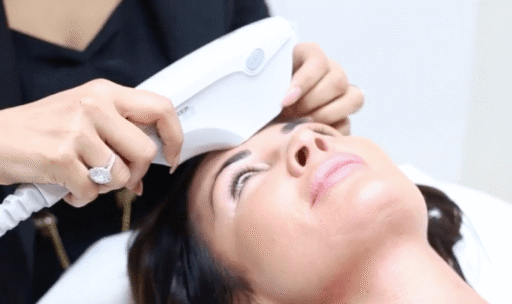
Ultherapy Skin Tightening
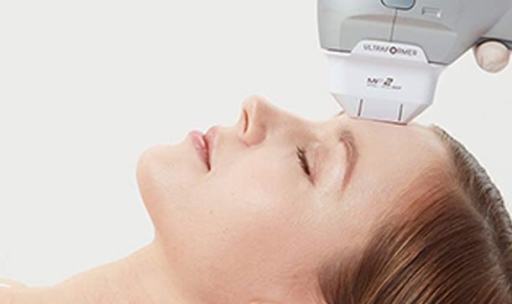
Ultraformer 3 HIFU Skin Tightening
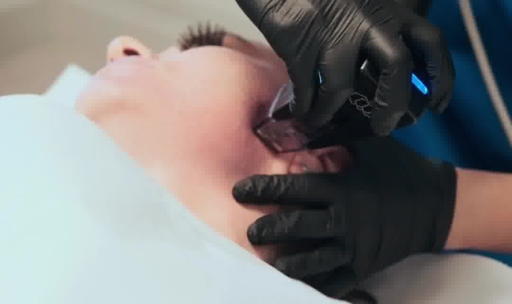
Morpheus8 RF Microneedling

About the Author
Considering treatment? Book a free consultation at our clinics in Mayfair London, Alderley Edge Cheshire, or Crosby Liverpool, or call 0800 009 6661.