
Who Is Suitable for Ultherapy, and When Might Another Treatment Be Better?
Clinical guidance from Dr Nyla Raja MBChB (Hons), MRCGP (Dist), DFFP, DPDermatology - GMC No. 6057913
Who Is Suitable for Ultherapy? At a Glance
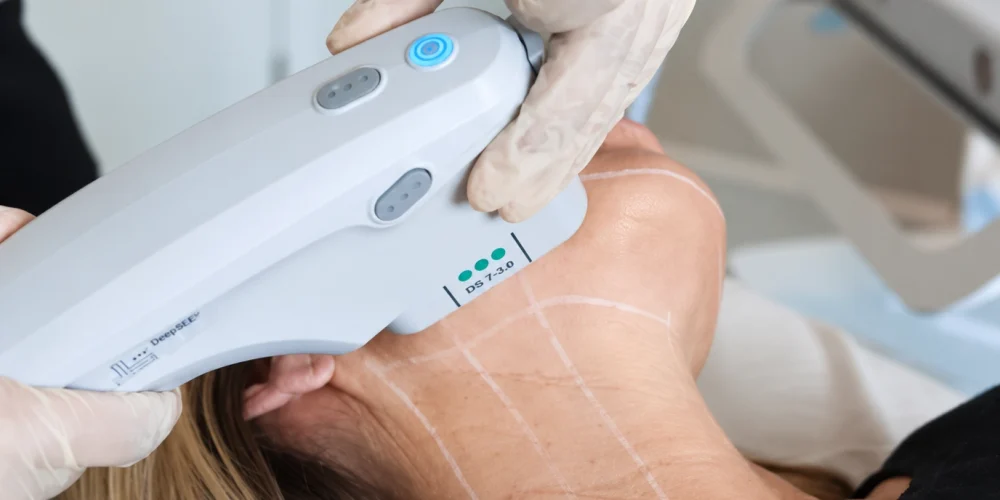
Ultherapy is a non-surgical treatment that uses microfocused ultrasound with real-time imaging to deliver controlled energy at selected tissue depths. It is principally considered for patients with mild to moderate skin laxity who want gradual lifting and tightening without surgery.
Suitable patients commonly have early loss of definition around the jawline, mild jowling, laxity beneath the chin, or loosening of the neck and brow. The treatment relies on the body’s collagen-remodelling response, so results develop gradually and are generally more subtle than surgical lifting.
Ultherapy is not automatically the most appropriate treatment for every ageing concern. Significant excess skin, marked facial volume loss, prominent localised fat, pigmentation, textural change, or dynamic wrinkles may require a different treatment or, in some cases, a surgical assessment.
- Often suitable for: mild to moderate skin laxity
- Common areas: brow, lower face, jawline, under the chin, neck, and selected décolletage concerns
- Less suitable for: significant excess skin or advanced tissue descent
- Results: gradual rather than immediate
- Important distinction: Ultherapy tightens tissue; it does not restore lost facial volume or remove substantial fat
- Assessment: should establish whether laxity is actually the main cause of the concern
Suitability cannot be determined from age alone. Facial anatomy, tissue quality, degree of laxity, treatment history, medical suitability, and realistic expectations all influence whether Ultherapy is appropriate.
What Does Ultherapy Treat?
Ultherapy is designed to address selected forms of skin and soft-tissue laxity using microfocused ultrasound energy.
The system allows the practitioner to visualise tissue during treatment and deliver energy at planned depths beneath the skin. This creates controlled thermal points intended to stimulate a wound-healing response and subsequent collagen remodelling. Our guide to how Ultherapy works explains the microfocused ultrasound technology, treatment depths, and collagen-remodelling process in more detail.
Ultherapy is most relevant where the visible concern is related to mild or moderate loss of tissue firmness, rather than where the main problem is pigmentation, surface texture, facial volume loss, or significant excess skin.
Common reasons patients consider treatment include:
- Early jowling
- Reduced jawline definition
- Mild laxity beneath the chin
- Loose neck skin
- Mild brow descent
- Early age-related loss of facial firmness
Who Is a Good Candidate for Ultherapy?
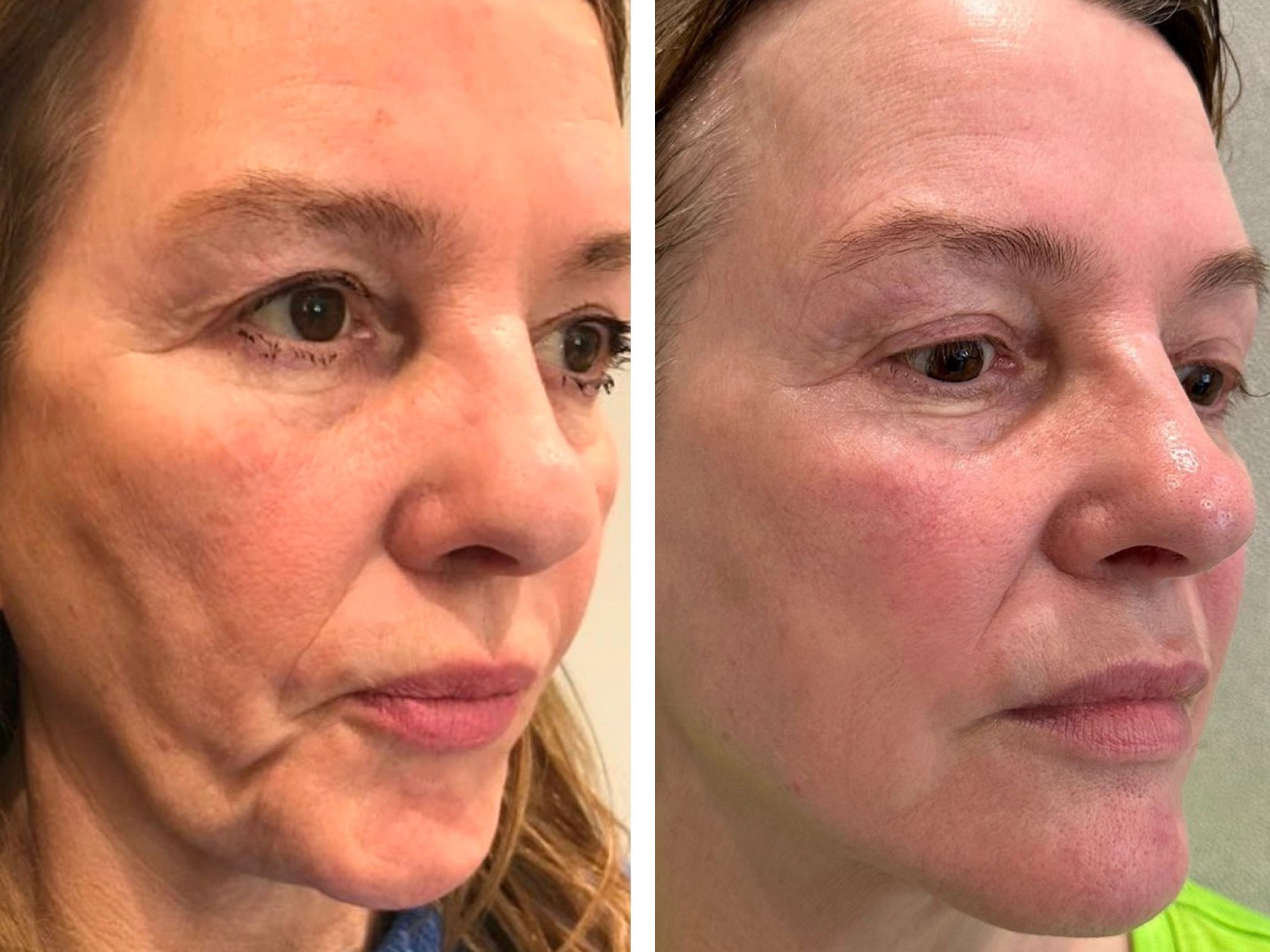
A suitable Ultherapy patient typically has mild to moderate laxity with sufficient underlying tissue support and understands that a non-surgical procedure produces a different degree of change from surgery.
Good candidates may notice that:
- The jawline has become less defined
- The lower face appears slightly heavier or softer
- Skin beneath the chin is beginning to loosen
- The neck has developed mild laxity
- The brow has lowered slightly with age
- The skin feels less firm without substantial excess tissue
Skin quality, facial structure, previous aesthetic treatment, and the thickness and distribution of soft tissue are also relevant.
Two patients of the same age can therefore have very different suitability for treatment.
Clinical Note from Dr Nyla Raja
We assess what is creating the visible change before recommending Ultherapy. A less defined jawline may result from skin laxity, but it may also reflect changes in facial volume, fat distribution, muscle activity, or underlying facial structure. Treatment should follow the anatomy rather than the treatment name.
Is There a Best Age for Ultherapy?
There is no fixed age at which somebody becomes suitable for Ultherapy.
Patients commonly begin considering non-surgical tightening as age-related collagen change becomes more visible, but chronological age alone is a poor treatment criterion.
A patient in their forties with mild lower-face laxity may be a more suitable candidate than an older patient with substantial excess skin. Equally, a younger patient with little genuine laxity may have limited reason to undergo treatment.
Factors that matter more than age include:
- Degree of skin laxity
- Quality and thickness of the skin
- Facial fat distribution
- Underlying skeletal support
- Previous weight change
- Previous cosmetic treatment
- Expected degree of improvement
The aim should not be to start treatment at a particular age, but to determine whether there is an anatomical concern that Ultherapy can reasonably address.
Which Areas Can Be Treated with Ultherapy?
Lower Face and Jawline
The lower face is one of the most common areas considered for treatment. Ultherapy may help selected patients with mild loss of jawline definition or early jowling where tissue laxity is an important component.
It does not remove facial fat or reconstruct the jawline by adding structural volume.
Under the Chin
Ultherapy may be appropriate where mild skin laxity beneath the chin is contributing to a softer profile.
However, submental fullness can also result from localised fat, skeletal anatomy, or a combination of factors. Tightening skin alone may therefore be insufficient.
Neck
Selected patients with mild to moderate neck laxity may benefit from ultrasound tightening. More advanced neck ageing can involve excess skin, platysmal muscle changes, fat, and deeper structural change.
Brow
Ultherapy may be used in selected patients seeking a modest improvement in brow position. This should not be confused with a surgical brow lift, and the degree of achievable change is considerably more limited.
Décolletage
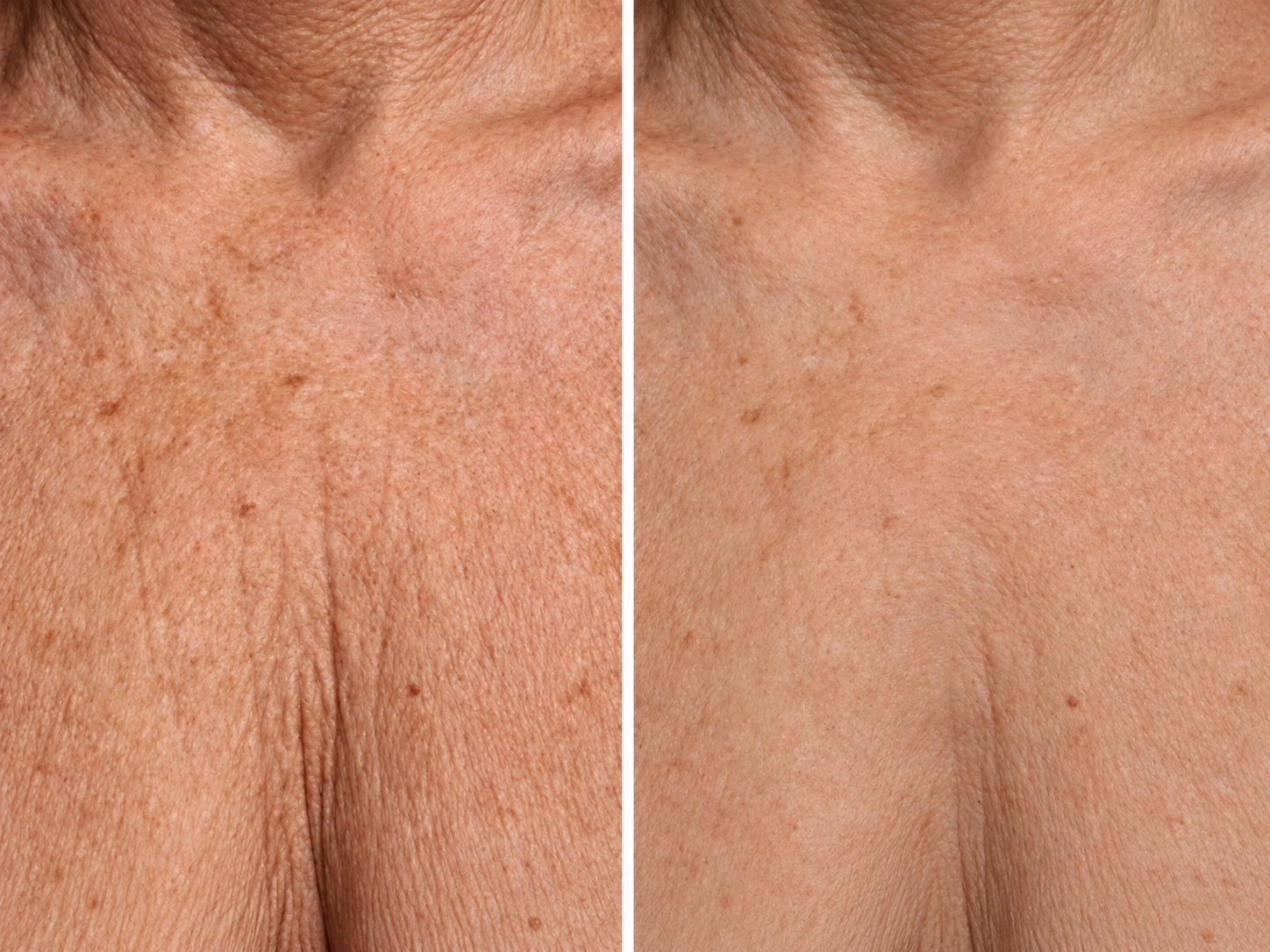
Ultrasound treatment may also be considered for selected skin concerns across the upper chest, depending on suitability and treatment objective.
What Results Should Patients Expect from Ultherapy?
Ultherapy should be approached as a gradual collagen-remodelling treatment, not an immediate mechanical facelift.
Some early change may be noticed, but the principal result develops over the following months as tissue remodelling occurs. Our guide to Ultherapy results explains when changes typically become visible, how long they may last, and why results vary between patients.
Appropriate expectations include:
- A gradual rather than dramatic change
- Improvement rather than complete correction of laxity
- Variation between patients
- No permanent prevention of future ageing
- Possible consideration of further treatment according to response and ongoing ageing
Patients seeking a major change in tissue position or removal of substantial excess skin are unlikely to obtain a surgical-level result from additional ultrasound energy.
When Might Ultherapy Not Be Suitable?
Ultherapy may be less appropriate where:
- There is substantial loose or excess skin
- The main concern is loss of facial volume
- Localised fat is primarily responsible for the contour change
- Skin texture, scarring, or enlarged pores are the main concern
- Pigmentation is the primary issue
- Dynamic facial lines are caused predominantly by muscle movement
- The patient expects results comparable with surgery
- Medical history or treatment-area factors make the procedure unsuitable
A consultation should also review relevant medical conditions, medication, previous procedures, implanted devices where relevant, and other factors that may affect treatment suitability. Our guide to Ultherapy safety and side effects explains the potential reactions, recovery, and safety considerations associated with treatment.
When Facial Volume Loss Is the Main Concern
Ageing is not purely a skin problem.
Loss and redistribution of facial volume can alter the cheeks, temples, under-eye area, chin, and lower-face support. Where volume loss is the principal reason the face appears tired or less defined, tightening the skin may provide only limited improvement.
In selected cases, dermal fillers may be considered to restore or support specific areas of facial volume.
These treatments work differently. Ultherapy aims to stimulate tissue tightening, whereas filler adds volume or structural support.
They should therefore not be treated as interchangeable options simply because both can influence facial contour.
When Skin Texture or Quality Is the Main Concern
Ultherapy is not primarily a treatment for surface texture.
Where the main concern is acne scarring, enlarged pores, fine textural irregularity, or broader skin-quality change, other procedures may be more appropriate.
Depending on assessment, options within a broader skin treatment plan may include microneedling, RF microneedling, chemical peels, medical-grade skincare, or other resurfacing and regenerative approaches.
The treatment selected should match the tissue level at which the concern exists.
When Facial or Submental Fat Is the Main Concern
A heavier lower face or double chin is not always a skin-tightening problem.
If localised fat is the main contributor, tightening the overlying skin without addressing the fat may not produce the desired contour.
Likewise, reducing fat in a patient with poor skin elasticity can sometimes make laxity more apparent.
Assessment should therefore consider skin, fat, muscle, and underlying facial structure together rather than viewing the jawline as a single tissue layer.
When Might Sofwave Be Considered Instead of Ultherapy?
Sofwave is another ultrasound-based skin-tightening treatment, but it is not the same technology as Ultherapy.
Ultherapy uses microfocused ultrasound with real-time imaging and can target selected deeper tissue planes. Sofwave uses its own synchronous ultrasound technology to deliver controlled energy within the dermis.
Which treatment is more appropriate depends on factors including:
- Where laxity is located
- Skin thickness and quality
- Treatment area
- Previous procedures
- Downtime preferences
- Desired degree of change
Our guide comparing Morpheus8, Ultherapy, and Sofwave explains the differences between these technologies in more detail.
When Might RF Microneedling Be More Appropriate?
RF microneedling (e.g., Morpheus8) may be considered where skin laxity occurs alongside concerns such as texture, enlarged pores, or selected scarring.
The treatment combines microneedles with radiofrequency energy and therefore works differently from microfocused ultrasound.
It may be particularly relevant where treatment objectives involve both skin quality and tightening rather than lifting alone.
Conversely, a patient whose principal concern is deeper tissue laxity may have different requirements.
The technologies should therefore be viewed as different tools rather than as direct substitutes based solely on price or popularity.
When Might Surgery Be Better Than Ultherapy?
Non-surgical skin tightening has clear limitations.
Patients with substantial skin redundancy, advanced jowling, marked neck laxity, or significant descent of deeper facial tissues may achieve more predictable and substantial correction through surgical lifting procedures.
Repeated energy-based treatment cannot physically remove a large amount of excess skin.
A surgical opinion may therefore be more appropriate where:
- There is significant excess facial or neck skin
- Jowling is advanced
- The neck has substantial skin and muscle laxity
- The desired change is substantial
- Previous non-surgical treatment has provided insufficient improvement
- The patient expects a result beyond the realistic capability of energy-based procedures
Recommending surgery when appropriate is part of responsible patient selection. A non-surgical option should not be presented as equivalent simply because a patient would prefer to avoid surgery.
Why Clinical Assessment Matters Before Ultherapy
The main question before treatment is not simply whether somebody has loose skin. It is whether Ultherapy is the most appropriate way to address the specific anatomical cause of the concern.
A good consultation should consider:
- Degree and location of laxity
- Facial and neck anatomy
- Volume distribution
- Localised fat
- Muscle activity
- Skin quality
- Previous injectable or energy-based treatments
- Medical history and contraindications
- Expected degree of improvement
- Whether another treatment or surgical assessment is more appropriate
The NHS guidance on choosing a cosmetic practitioner recommends considering practitioner qualifications, training, experience, aftercare, and how complications would be managed before proceeding with a cosmetic procedure.
At Dr Nyla Medispa, Ultherapy treatments are provided within a doctor-led, medically regulated clinic. Treatment planning is individualised according to anatomy, suitability, and realistic treatment objectives.

Book in a Free Consultation With Our Expert Team
- Award-winning, doctor-led aesthetic clinics
- Locations in London, Cheshire, and Liverpool
- Over 50 non-surgical treatments available
- Free consultation with a personalised plan
Ultherapy Suitability FAQs
Who is the ideal candidate for Ultherapy?
A typical candidate has mild to moderate skin laxity, realistic expectations, and an anatomical concern that can reasonably respond to ultrasound tightening.
Can Ultherapy treat severe sagging?
It has limitations where laxity is advanced. Significant excess skin or marked tissue descent may be better assessed surgically.
Is Ultherapy suitable for jowls?
It may help selected patients where mild tissue laxity is contributing to early jowling. Jowls are multifactorial, however, and can also reflect volume loss, fat distribution, skeletal support, and deeper tissue descent.
Can Ultherapy tighten loose neck skin?
Yes, in appropriately selected patients with mild to moderate laxity. Advanced neck ageing may require a different non-surgical plan or surgical assessment.
Can Ultherapy replace dermal filler?
No. Ultherapy aims to stimulate tightening, while dermal filler restores or adds selected volume and structural support. They address different anatomical problems.
Is Ultherapy better than Sofwave?
Neither is universally better. They use different ultrasound technologies and may suit different patients, tissue depths, and treatment objectives.
Is Ultherapy better than Morpheus8?
They are different treatments. Ultherapy uses microfocused ultrasound, while Morpheus8 uses RF microneedling. RF microneedling may be considered where texture and skin quality are important alongside laxity.
Can Ultherapy reduce facial fat?
Ultherapy should not be selected as a general facial fat-reduction treatment. Where fat is the main cause of fullness, another approach may be required.
Does age determine whether Ultherapy will work?
No. The degree of laxity, anatomy, skin quality, treatment history, and realistic expectations are more relevant than chronological age alone.
How do I know whether Ultherapy is right for me?
An in-person assessment is the most appropriate way to determine whether laxity is the principal concern and whether Ultherapy, another non-surgical treatment, or a surgical opinion is most suitable.
Who Is Suitable for Ultherapy? The Treatment Should Follow the Anatomy
Ultherapy is most appropriate for selected patients with mild to moderate skin laxity who want gradual non-surgical skin tightening and understand the limitations of an energy-based procedure.
It may be useful for early changes affecting the brow, jawline, under-chin area, and neck, but it cannot correct every feature associated with facial ageing. Volume loss, localised fat, skin texture, muscle activity, and significant excess skin may require different treatments.
The most important part of treatment planning is therefore identifying which tissues are responsible for the concern before choosing the technology.
If you are considering Ultherapy, you can book a free consultation at Dr Nyla Medispa in Mayfair London, Alderley Edge Cheshire, or Crosby Liverpool to discuss suitability and whether Ultherapy or another treatment would be more appropriate.
Need Guidance in Selecting the Most Appropriate Treatment?
Related Treatments
Ultherapy Skin Tightening

Skin Tightening
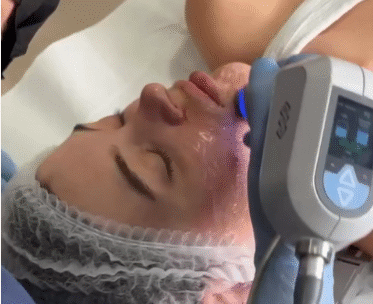
Exilis Elite Skin Tightening

Sofwave Skin Tightening

NuEra Tight Skin Tightening

ULTRAcel Q+ Skin Tightening
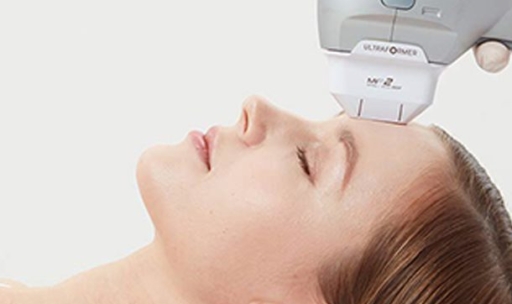
Ultraformer 3 HIFU Skin Tightening

XERF Skin Tightening

About the Author
Dr Nyla Raja | Founder & Medical Director
GMC-registered doctor with over 20 years of clinical experience in aesthetic medicine. Qualifications include MBChB (Hons), MRCGP (Dist), DFFP, and DPDermatology. Member of the British College of Aesthetic Medicine (BCAM).