
Ultherapy Safety, Side Effects, and What to Expect After Treatment
Clinical guidance from Dr Nyla Raja MBChB (Hons), MRCGP (Dist), DFFP, DPDermatology - GMC No. 6057913
Ultherapy Safety, Side Effects, and Aftercare: At a Glance
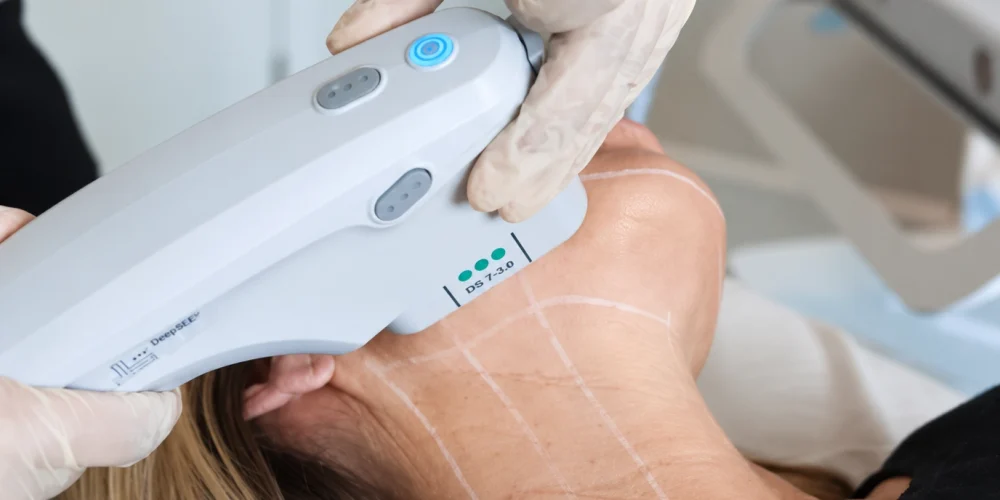
Ultherapy is a non-surgical skin-tightening treatment that uses microfocused ultrasound with real-time imaging to deliver controlled energy at selected tissue depths. The aim is to stimulate gradual collagen remodelling without surgery or removal of the skin surface.
Ultherapy is generally associated with limited downtime, but temporary side effects are expected. These can include redness, tenderness, mild swelling, tingling, and temporary changes in sensation. Sensory changes can take longer to settle than visible redness or swelling.
Appropriate assessment, treatment planning, and practitioner training are important because ultrasound energy needs to be delivered at the correct depth and within suitable anatomical areas. Ultherapy should therefore be selected according to the patient’s anatomy and degree of skin laxity rather than simply because they want a non-surgical lifting treatment.
- Common temporary effects: redness, tenderness, swelling, tingling, and sensitivity
- Altered sensation: temporary numbness or unusual sensation can occur in treated areas
- Downtime: usually limited, with many patients returning to normal activities soon after treatment
- Aftercare: generally straightforward, with gentle skincare and appropriate sun protection
- Results: develop gradually as collagen remodelling occurs
- Safety: depends on appropriate patient selection, anatomical knowledge, treatment planning, and device training
Individual recovery varies. Side effects that are severe, progressive, or persist beyond the expected recovery period should be reviewed by the treating clinic.
Is Ultherapy Safe?
Ultherapy is an established non-surgical treatment that uses focused ultrasound energy rather than laser or radiofrequency.
The system combines treatment delivery with real-time ultrasound imaging. This allows the practitioner to visualise relevant tissue layers and plan energy delivery at selected depths. Our guide to how Ultherapy works explains the microfocused ultrasound technology, real-time visualisation, and treatment depths in more detail.
As with any energy-based aesthetic procedure, safety depends on more than the device itself. Appropriate treatment requires:
- Correct patient selection
- Understanding of facial and neck anatomy
- Appropriate treatment depth
- Accurate treatment mapping
- Suitable energy settings and treatment protocol
- Recognition of areas that should be avoided
- Appropriate management of side effects or complications
Ultherapy should not be considered risk-free simply because it is non-surgical. Equally, expected temporary tenderness, redness, or altered sensation should not automatically be interpreted as a complication.
What Are the Most Common Ultherapy Side Effects?
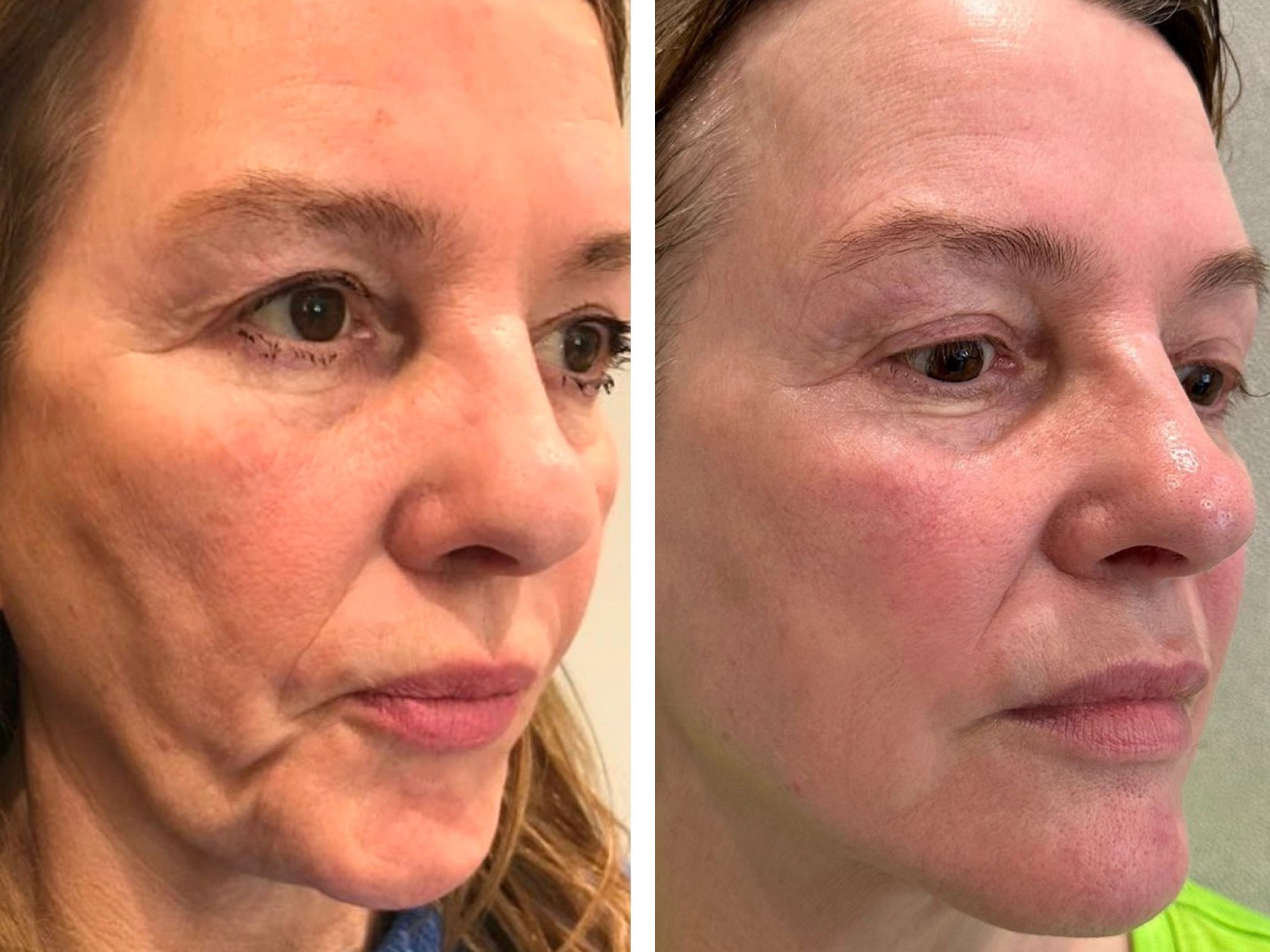
The most frequently experienced effects are temporary responses to controlled ultrasound energy within the treated tissue.
| Effect | What It May Feel or Look Like | Typical Pattern |
|---|---|---|
| Redness | Mild flushing across the treated area | Usually temporary and often settles relatively quickly |
| Swelling | Mild puffiness or fullness | Usually temporary and may remain for several days |
| Tenderness | Sensitivity when touching the skin or underlying tissue | Can persist after visible redness has resolved |
| Tingling | Pins and needles or unusual sensitivity | Usually temporary |
| Altered sensation | Temporary numbness or reduced sensation | Can take longer to resolve than redness or swelling |
Redness and Swelling After Ultherapy
Mild redness is one of the more immediate effects of treatment. The skin may appear flushed shortly afterwards because energy has been delivered beneath the surface.
Redness generally resolves without specific treatment.
Mild swelling can also develop. Some patients notice little visible change, while others experience temporary puffiness around the jawline, beneath the chin, or in another treated area.
Swelling should gradually improve rather than become progressively more pronounced.
Is Tenderness Normal After Ultherapy?
Yes. Treated tissue may feel tender, bruised, sensitive, or mildly sore even when there is little visible evidence of treatment.
Tenderness can be noticeable when:
- Pressing the treated skin
- Applying skincare
- Washing the face
- Sleeping against the treated side
- Moving areas around the jaw or neck
This reflects the controlled energy delivered beneath the skin and does not necessarily indicate that anything has gone wrong.
However, severe pain, worsening pain, or symptoms accompanied by blistering, marked swelling, or other unexpected changes should be assessed.
Can Ultherapy Cause Numbness, Tingling, or Altered Sensation?
Temporary sensory changes can occur after Ultherapy.
Patients may describe:
- Tingling
- Temporary numbness
- Increased sensitivity
- A mild pins-and-needles sensation
- An unusual sensation when touching the treated area
These effects can take longer to settle than surface redness. The pattern and duration vary according to the treatment area and individual response.
Persistent, worsening, or concerning sensory symptoms should be reported to the treating practitioner rather than simply waiting indefinitely for them to resolve.
Clinical Note from Dr Nyla Raja
Temporary tenderness or altered sensation can occur after ultrasound treatment, particularly in areas where treatment is delivered close to deeper anatomical structures. Patients should be given clear information about what is expected and a direct route back to the clinic if recovery does not follow the anticipated pattern.
What Less Common Side Effects Can Occur?
Less commonly, patients may experience more pronounced swelling, bruising, prolonged tenderness, temporary changes in sensation, or temporary changes affecting local muscle or nerve function.
Energy-based treatments can also cause more significant tissue injury if they are delivered inappropriately. This is one reason device training, anatomical knowledge, correct treatment depth, and careful mapping are important.
Patients should be given realistic information about both common temporary effects and less common risks during the consent process.
The purpose of discussing uncommon complications is not to suggest that they are expected, but to ensure that treatment decisions are properly informed.
How Much Downtime Is There After Ultherapy?
Ultherapy usually involves little formal downtime. Many patients return to normal work and everyday activity shortly after treatment.
However, minimal downtime does not mean that the treated area will necessarily feel completely normal immediately.
Patients may experience tenderness, mild swelling, or unusual sensation despite being able to continue their normal routine.
The absence of significant visible downtime is one reason Ultherapy is considered by patients who want non-surgical skin tightening without the recovery associated with surgery.
Ultherapy Aftercare: What Should You Do After Treatment?
Aftercare is generally uncomplicated. Patients should follow the individual advice provided by their treating clinic, particularly where treatment has been combined with another procedure.
General measures may include:
- Keep skincare relatively gentle if the area feels sensitive
- Avoid unnecessary rubbing or aggressive massage of tender areas
- Use appropriate daily sun protection
- Avoid introducing strong or irritating skincare products immediately if the skin feels reactive
- Follow any specific instructions provided for the treatment area
- Contact the clinic if symptoms are significantly different from those discussed during consultation
There is usually no requirement for an extensive recovery regime after uncomplicated treatment.
Patients should avoid adding unnecessary restrictions found online if these have not been advised for their individual treatment. Aftercare should be proportionate to the procedure and the patient’s response.
When Should You Contact the Clinic After Ultherapy?
A patient should contact the treating clinic where symptoms are severe, progressive, unexpected, or causing concern.
Examples include:
- Severe or increasing pain
- Marked or progressively worsening swelling
- Blistering or visible skin injury
- Unexpected weakness or marked facial asymmetry
- Persistent sensory changes that are not improving as expected
- Signs suggestive of infection
- Any symptom that differs substantially from the recovery explained before treatment
Patients should know how to contact their practitioner after treatment rather than being left to determine independently whether a symptom requires review.
Why Does Practitioner Training Matter for Ultherapy Safety?
Ultherapy is often described as non-invasive, but it still delivers energy beneath the surface of the skin.
The practitioner therefore needs to understand the anatomy of the treatment area and how the device should be used safely.
Important considerations include:
- Identifying appropriate treatment areas
- Understanding relevant nerves, vessels, bone, and soft-tissue structures
- Visualising tissue before energy delivery
- Selecting appropriate treatment depths
- Following suitable treatment protocols
- Recognising contraindications
- Knowing when not to treat
- Recognising and managing unexpected adverse effects
The NHS guidance on choosing a cosmetic practitioner recommends checking practitioner qualifications, training, experience, insurance, aftercare arrangements, and how complications would be managed.
At Dr Nyla Medispa, Ultherapy is provided within a doctor-led, medically regulated clinic, with treatment planning based on individual anatomy, suitability, and realistic treatment objectives.
Why Does Assessment Matter Before Ultherapy?
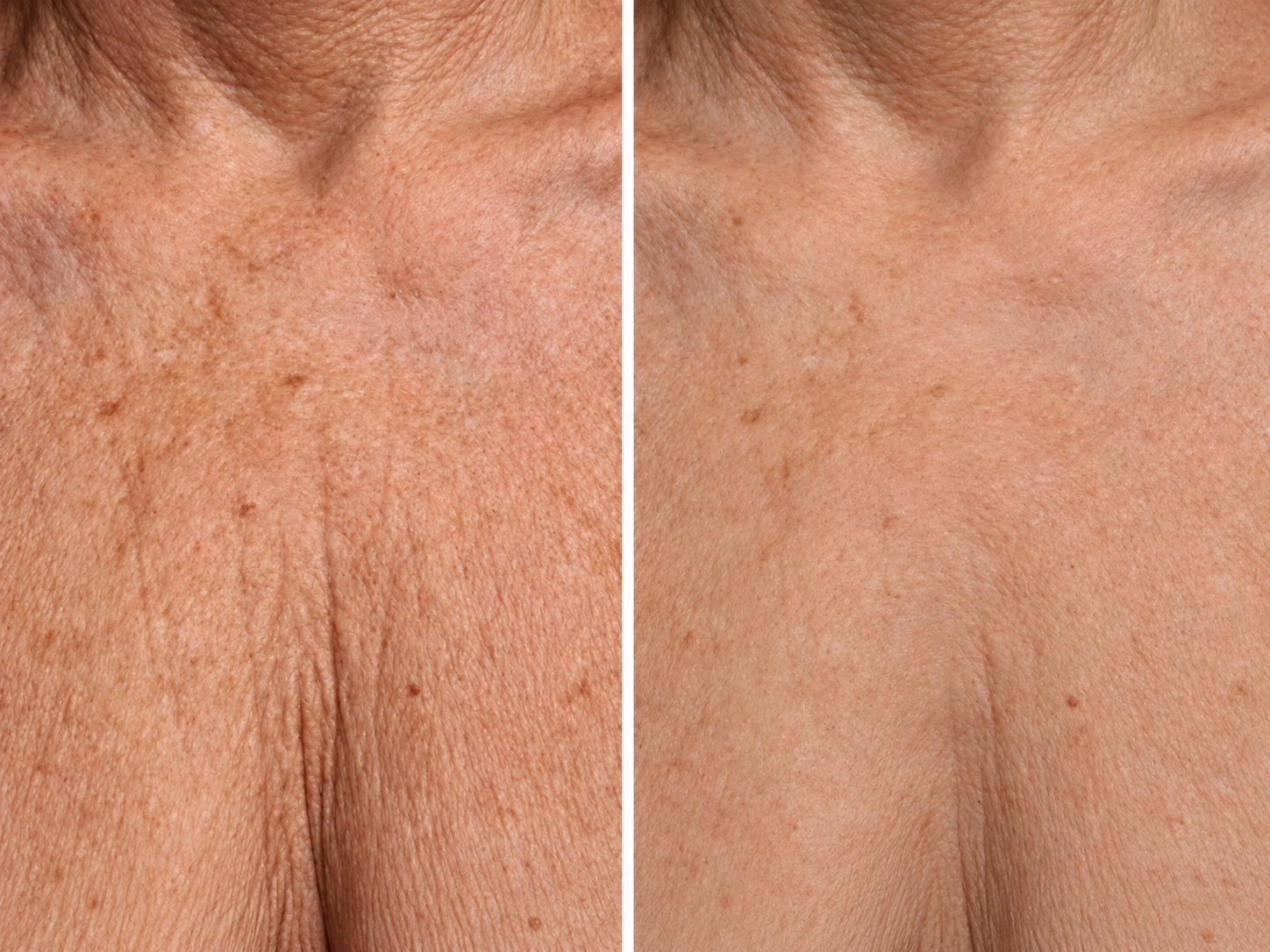
Safety begins before the device is switched on.
A consultation should establish whether Ultherapy is appropriate for the patient’s concern and medical circumstances. Our guide to who is suitable for Ultherapy explains the factors considered when assessing whether treatment is appropriate.
Assessment may consider:
- Degree and location of skin laxity
- Facial and neck anatomy
- Skin and soft-tissue thickness
- Previous cosmetic procedures
- Relevant medical history
- Medication
- Treatment-area factors
- Implanted devices where relevant
- Expected treatment outcome
- Whether a different procedure would be more appropriate
A patient with mild lower-face laxity may be a reasonable candidate, whereas somebody whose principal concern is substantial excess skin, facial volume loss, or localised fat may require a different approach.
Our guide to Ultherapy results explains how changes develop following treatment and why outcomes differ between patients.
What Should You Expect in the Weeks and Months After Ultherapy?
Ultherapy does not produce its principal result immediately.
The treatment initiates a tissue-remodelling response, with collagen change developing gradually over the following months. This means the recovery period and the results period are different.
Redness or tenderness can occur shortly after treatment, while any improvement in firmness or tissue position develops more slowly.
Appropriate expectations include:
- Temporary side effects before the final result develops
- Gradual rather than immediate tightening
- Variation in response between patients
- More modest change than surgical lifting
- No permanent prevention of future ageing
Ultherapy should also not be confused with other energy-based treatments. Sofwave uses a different ultrasound technology, while Morpheus8 uses radiofrequency microneedling. Our guide to Morpheus8 vs Ultherapy vs Sofwave explains their main differences.

Book in a Free Consultation With Our Expert Team
- Award-winning, doctor-led aesthetic clinics
- Locations in London, Cheshire, and Liverpool
- Over 50 non-surgical treatments available
- Free consultation with a personalised plan
Ultherapy Safety and Side Effects FAQs
Is redness normal after Ultherapy?
Yes. Mild temporary redness can occur after treatment and generally settles without intervention.
Does Ultherapy cause swelling?
Mild swelling or puffiness can occur. It should generally improve progressively rather than become increasingly pronounced.
How long does tenderness last after Ultherapy?
Tenderness varies between patients and can persist after visible redness has settled. The area may feel sensitive when touched even when it looks normal.
Can Ultherapy cause numbness?
Temporary numbness, tingling, or altered sensation can occur. Sensory changes can take longer to settle than surface redness or swelling.
Can I go back to work after Ultherapy?
Many patients return to work and normal daily activity shortly after treatment because significant visible downtime is uncommon.
Can I wash my face after Ultherapy?
Yes, although gentle cleansing is sensible if the skin feels sensitive or tender. Avoid unnecessary pressure or aggressive rubbing.
Can I exercise after Ultherapy?
Many patients resume their usual routine quickly. Follow the specific advice from your treating practitioner, particularly if you experience swelling or tenderness or have undergone another procedure at the same time.
Is Ultherapy painful?
Sensation during treatment varies. Patients may feel brief heat, tingling, or discomfort as ultrasound energy is delivered. Treatment comfort should be discussed during consultation.
Is Ultherapy safe for everyone?
No treatment is suitable for everybody. Medical history, anatomy, previous treatment, skin laxity, treatment area, and realistic expectations all need to be considered before proceeding.
What happens if I experience an unexpected side effect?
Contact the treating clinic. Significant pain, worsening swelling, blistering, unexpected weakness, pronounced asymmetry, or persistent sensory symptoms should be clinically reviewed.
Ultherapy Safety: Appropriate Assessment and Treatment Planning Matter
Ultherapy generally involves limited downtime, but temporary side effects such as redness, swelling, tenderness, tingling, and altered sensation can occur. Most expected effects are self-limiting, although recovery varies between patients.
Safe treatment depends on more than selecting a well-known device. Appropriate assessment, anatomical knowledge, practitioner training, careful treatment mapping, realistic expectations, and access to follow-up are all important.
Patients should also understand the limits of Ultherapy. It is principally a treatment for selected skin and soft-tissue laxity and cannot replace lost facial volume, remove substantial localised fat, or reproduce the result of surgical lifting where excess skin is significant.
If you are considering Ultherapy, you can book a free consultation at Dr Nyla Medispa in Mayfair London, Alderley Edge Cheshire, or Crosby Liverpool to discuss suitability, expected recovery, and whether Ultherapy is appropriate for your concerns.
Need Guidance in Selecting the Most Appropriate Treatment?
Related Treatments
Ultherapy Skin Tightening

Skin Tightening
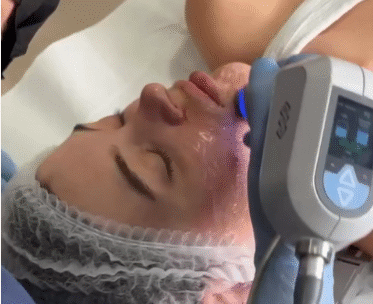
Exilis Elite Skin Tightening

Sofwave Skin Tightening

NuEra Tight Skin Tightening

ULTRAcel Q+ Skin Tightening
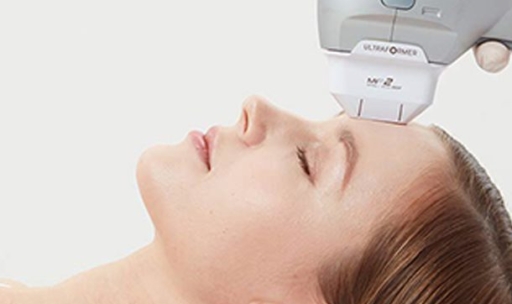
Ultraformer 3 HIFU Skin Tightening

XERF Skin Tightening

About the Author
Dr Nyla Raja | Founder & Medical Director
GMC-registered doctor with over 20 years of clinical experience in aesthetic medicine. Qualifications include MBChB (Hons), MRCGP (Dist), DFFP, and DPDermatology. Member of the British College of Aesthetic Medicine (BCAM).