
Ultherapy Results Explained: When Results Appear, How Long They Last, and Why They Vary
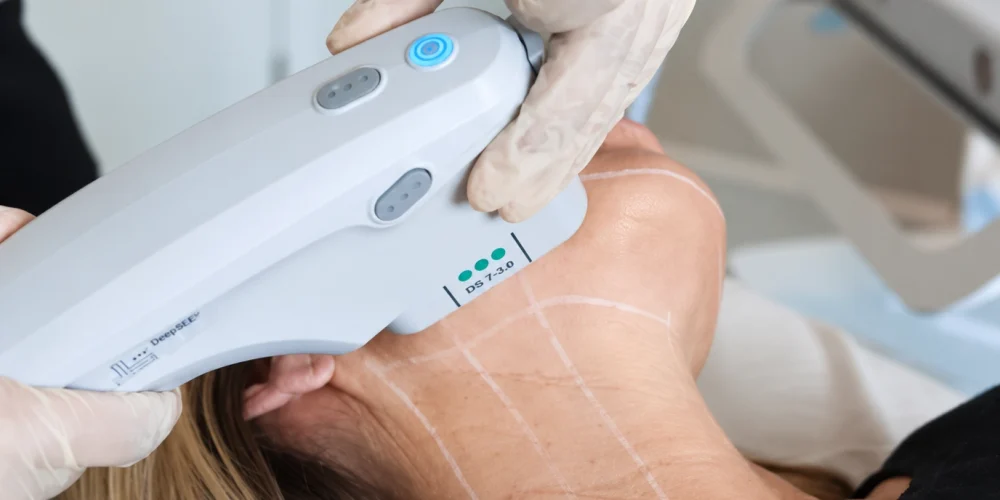
Clinical guidance from Dr Nyla Raja MBChB (Hons), MRCGP (Dist), DFFP, DPDermatology - GMC No. 6057913
Ultherapy Results: At a Glance
Ultherapy is a non-surgical skin tightening treatment that uses microfocused ultrasound with real-time visualisation to deliver controlled energy at selected tissue depths. The resulting biological response stimulates collagen remodelling, which is why Ultherapy results develop progressively rather than appearing immediately after treatment.
Some patients notice an early change in firmness, but the more meaningful result generally develops over the following two to three months. Improvement may continue to evolve for several months as new collagen is formed and remodelled.
Ultherapy results also vary between patients. The degree of laxity, facial anatomy, skin quality, treatment area, treatment plan, age-related tissue change, and individual collagen response all influence the outcome. The treatment is designed to provide gradual lifting and tightening rather than reproduce the effect of surgery.
- Immediately after treatment: some patients may notice temporary firmness, but this is not the final result
- First 4–8 weeks: collagen remodelling begins to develop
- Around 2–3 months: results commonly become more noticeable
- 3–6 months: further gradual improvement may continue
- Longevity: results can persist for a year or longer in suitable patients, but individual duration varies
- Maintenance: further treatment may be considered according to response, ongoing ageing, and clinical assessment
Ultherapy results should be judged over months rather than days. It cannot stop the ageing process, remove substantial excess skin, restore lost facial volume, or provide the degree of tissue repositioning possible with surgery.
How Do Ultherapy Results Develop?
Ultherapy does not work by mechanically pulling the skin into a new position.
The treatment delivers microfocused ultrasound energy at selected depths beneath the skin. This produces controlled thermal points within targeted tissue, initiating a wound-healing response that includes new collagen formation and remodelling of existing collagen. Our guide to how Ultherapy works explains this ultrasound technology and collagen-remodelling process in more detail.
That biological process takes time.
The visible change therefore develops progressively as the treated tissues respond, rather than appearing as an immediate lift on the day of treatment.
This distinction is important when setting expectations. Ultherapy is principally a non-surgical skin tightening procedure for appropriately selected patients with mild to moderate laxity. It is not an instant facelift.
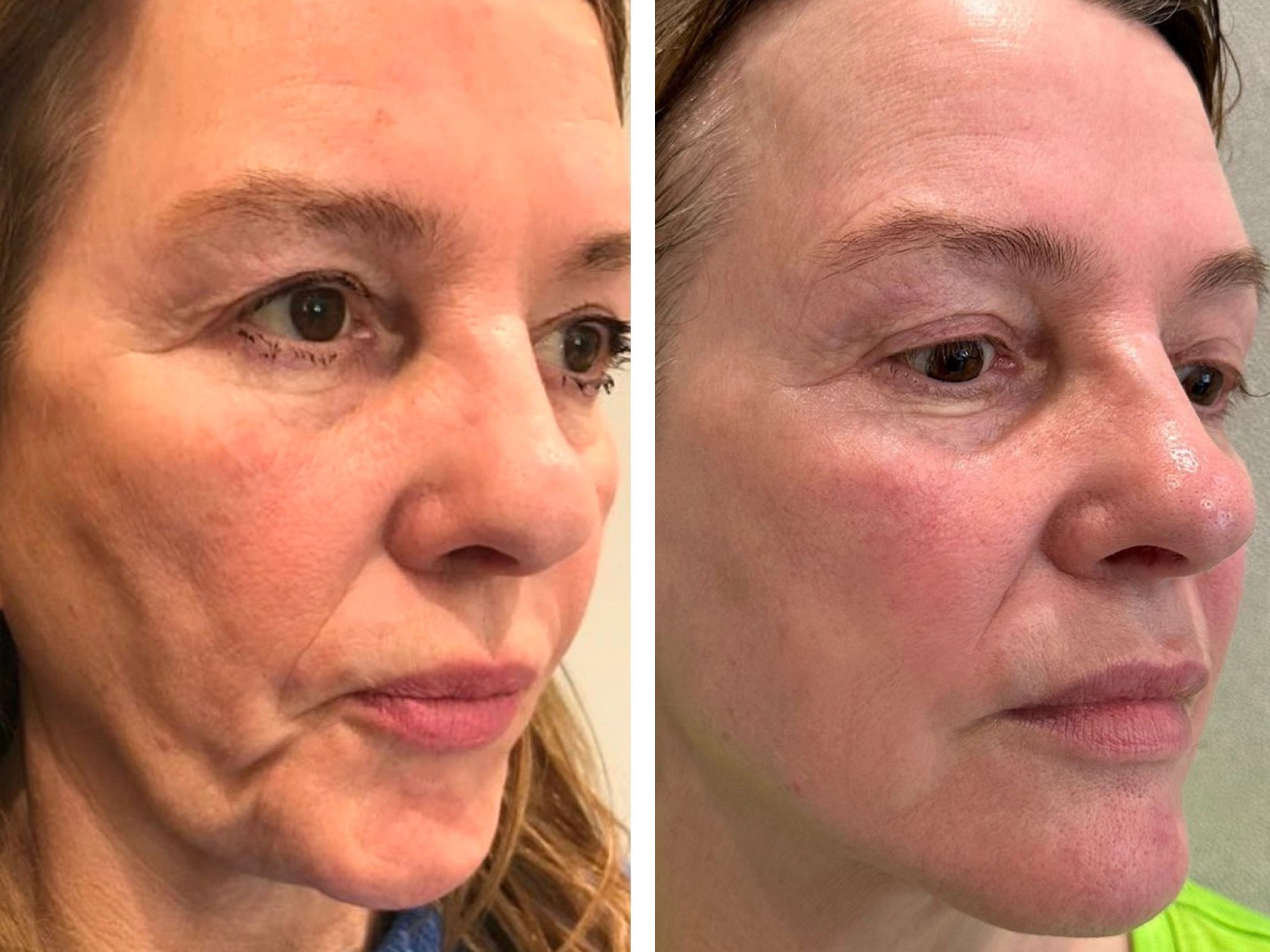
Published clinical research on microfocused ultrasound with visualisation has assessed lifting and tightening outcomes at 90 and 180 days after treatment, reflecting the gradual nature of the collagen-remodelling process.
Ultherapy Results Timeline
| Time After Treatment | What May Be Happening |
|---|---|
| Immediately | Some patients notice temporary firmness, but the collagen-remodelling result has not yet developed. |
| First 4–8 weeks | Early tissue remodelling develops gradually. Visible change may still be subtle. |
| Around 2–3 months | Lifting, firmness, or improved definition may become more apparent in suitable patients. |
| 3–6 months | Collagen remodelling may continue, and the result can develop further. |
| 12 months and beyond | Improvement may remain visible, although natural ageing continues and longevity varies between patients. |
This is an approximate timeline rather than a guarantee. Individual patients can develop visible improvement at different rates.
When Will I See Ultherapy Results?
Ultherapy results are commonly assessed at around three months, when sufficient time has passed for a meaningful collagen response to develop.
That does not mean the result suddenly appears at the three-month point. The change is progressive.
Some patients notice increasing firmness or definition earlier, while others see a more gradual development over several months.
Clinical studies of microfocused ultrasound with visualisation have also documented changes at both 90-day and 180-day follow-up, supporting the importance of allowing sufficient time before judging the final response.
Why Are Ultherapy Results Not Instant?
The absence of an immediate dramatic result is part of the way the treatment works rather than evidence that nothing has happened.
Ultherapy depends on the body’s biological response to controlled ultrasound energy. Collagen synthesis, organisation, and tissue remodelling are gradual processes.
An immediate mechanical facelift physically repositions tissues during surgery. Ultherapy does not do this.
This is also why before-and-after photographs taken immediately following treatment are of limited value for judging the collagen-remodelling result.
A more appropriate comparison is usually made after sufficient time has passed for tissue response to develop.
Clinical Note from Dr Nyla Raja
We advise patients to think about Ultherapy in terms of gradual tissue remodelling rather than an immediate lift. The treatment should be assessed after the collagen response has had time to develop, and the degree of change should remain proportionate to what a non-surgical procedure can realistically achieve.
What Do Good Ultherapy Results Look Like?
Appropriate Ultherapy results tend to be gradual and natural-looking.
Depending on the treatment area and individual response, improvements may include:
- Greater definition along the lower face or jawline
- A firmer appearance beneath the chin
- Improvement in mild neck laxity
- A modest improvement in brow position
- Improved tissue firmness
- A less lax or heavy appearance in appropriately selected areas
The aim is generally improvement rather than complete correction.
A patient with mild early jowling, for example, may notice better lower-face definition. Ultherapy cannot remove substantial redundant skin or completely reverse advanced jowling.
Do Ultherapy Results Vary by Treatment Area?
Yes. Different anatomical areas have different tissue characteristics, and the visible result depends on what is creating the concern in the first place.
Jawline and Lower Face
Patients with mild tissue laxity may notice improved definition around the jawline. However, a poorly defined jawline can also result from facial volume changes, localised fat, skeletal structure, or deeper tissue descent.
Under the Chin
Ultherapy may improve mild laxity beneath the chin. It does not directly remove a significant pocket of submental fat, so patients with a fuller under-chin area may require a different treatment strategy.
Neck
Selected patients with mild to moderate neck skin laxity may see gradual improvement in firmness. More advanced neck ageing can involve skin, fat, muscle, and deeper structural changes.
Brow
Ultherapy can be used in selected patients for a modest lifting effect around the brow. The degree of change is considerably more limited than a surgical brow lift.
Décolletage
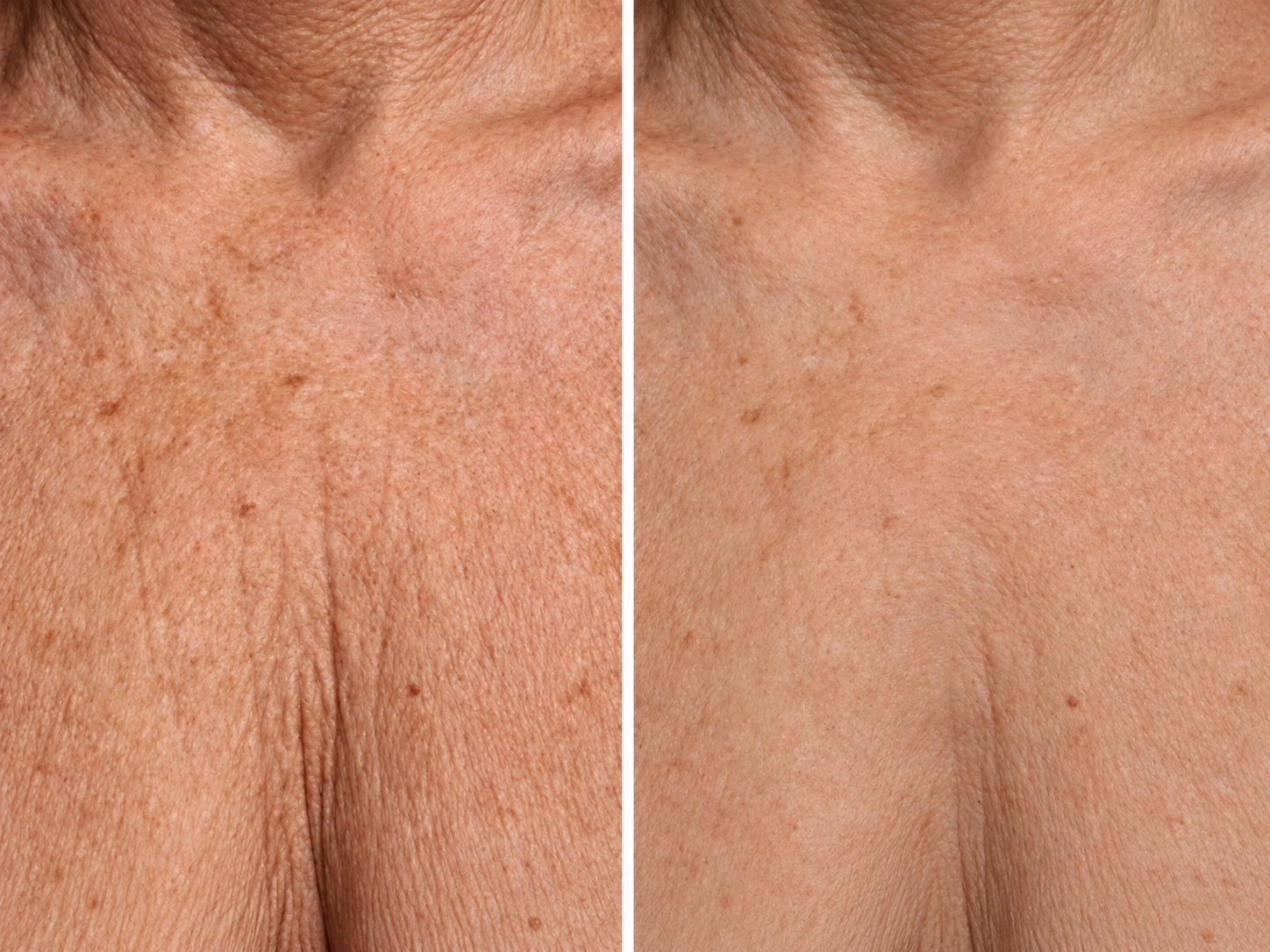
Microfocused ultrasound may also be used for selected concerns affecting the upper chest, although results and treatment objectives differ from facial lifting.
Why Do Ultherapy Results Vary Between Patients?
There is no single Ultherapy result that can be expected across every patient.
Important variables include:
- Degree of laxity: mild to moderate laxity generally represents a different treatment situation from substantial excess skin
- Facial anatomy: bone structure, fat distribution, tissue thickness, and facial proportions influence the visible outcome
- Skin quality: collagen condition and tissue quality differ between individuals
- Treatment area: a brow treatment should not be expected to produce the same type of change as a lower-face or neck treatment
- Treatment planning: appropriate treatment depth, coverage, and positioning matter
- Previous procedures: previous fillers, energy-based treatments, or surgery can affect assessment and planning
- Individual biological response: collagen remodelling is not identical between patients
- Ongoing ageing: treatment does not stop future age-related tissue change
Chronological age alone is not a reliable predictor of results. A younger patient with little genuine laxity may have limited visible change, while another patient with a clearly defined mild-to-moderate laxity concern may be more suitable. Our guide to who is suitable for Ultherapy explains the patient and anatomical factors considered when assessing suitability for treatment.
How Long Do Ultherapy Results Last?
Ultherapy results are not permanent, although improvement may remain visible for a year or longer in some appropriately selected patients.
Longer-term clinical research on microfocused ultrasound results has assessed patients at one year following treatment, but individual longevity should not be interpreted as a fixed guarantee.
The collagen produced as part of the treatment response becomes part of the tissue, but the face and skin continue to age normally.
How long a visible result remains meaningful can therefore depend on:
- Initial degree of laxity
- Individual treatment response
- Skin quality
- Age-related collagen change
- Changes in facial volume and fat distribution
- Significant weight change
- Ongoing natural ageing
The relevant question is therefore not simply how long Ultherapy “lasts”, but how long the improvement remains visible enough for the individual patient to consider further treatment worthwhile.
Does Ultherapy Need Maintenance?
Maintenance is individual rather than compulsory at a fixed interval.
Some patients may consider another treatment as the effects of ageing gradually become more apparent. Others may not require or want further treatment for a considerably longer period.
Maintenance should be based on:
- How well the first treatment worked
- How long the visible improvement has remained
- The current degree of laxity
- Whether the same anatomical concern is still present
- Whether another treatment has become more appropriate
Automatically repeating Ultherapy every year without reassessing the anatomy is not the same as an individualised treatment plan.
Is One Ultherapy Treatment Enough?
Many suitable patients begin with one Ultherapy treatment and allow the result to develop before deciding whether anything further is required.
This is particularly important because the full response cannot be judged immediately.
Some patients may later consider additional treatment, depending on the initial result, severity of laxity, ongoing ageing, and clinical objectives.
More sessions are not automatically better. If the main concern is not responsive to ultrasound tightening, repeating treatment is unlikely to correct the underlying problem.
What Can Ultherapy Not Correct?
Understanding the limitations of treatment is central to understanding Ultherapy results.
Ultherapy does not:
- Remove substantial excess skin
- Produce the same result as a surgical facelift or neck lift
- Restore significant lost facial volume
- Reconstruct facial structure
- Treat pigmentation as its primary purpose
- Directly correct dynamic expression lines
- Remove substantial localised facial fat
- Stop future ageing
If facial volume loss is the principal concern, for example, ultrasound tightening may provide limited improvement because the problem exists at a different anatomical level.
Similarly, significant excess facial or neck skin may require a surgical opinion if the desired outcome exceeds what a non-surgical treatment can reasonably provide.
How Do Ultherapy Results Compare with Other Skin Tightening Treatments?
Ultherapy is one of several technologies used for non-surgical tightening. It should not automatically be regarded as interchangeable with other energy-based procedures.
Sofwave also uses ultrasound, but it employs a different technology and targets tissue differently.
Morpheus8 combines microneedling with radiofrequency energy and may be considered where treatment objectives include skin texture and quality alongside tightening.
Our clinical comparison of Morpheus8 vs Ultherapy vs Sofwave explains the differences in greater detail.
The appropriate choice depends on the anatomical concern, skin quality, treatment depth required, downtime preferences, and realistic treatment objectives rather than which device is currently most popular.
How Should Ultherapy Results Be Assessed?
Ultherapy results are best assessed using consistent clinical photography and sufficient follow-up time.
Useful comparisons should ideally use:
- The same head position
- Comparable facial expression
- Similar lighting
- The same camera angle
- Comparable distance from the camera
- A realistic follow-up interval
Small changes in chin position, lighting, or facial expression can make a jawline appear considerably different in photographs.
Clinical assessment should also consider whether the patient’s original concern has genuinely improved rather than looking for change simply because treatment has taken place.
Clinical Note from Dr Nyla Raja
Before-and-after photographs are useful only when they are interpreted alongside anatomy and a realistic treatment timeline. With Ultherapy, subtle improvement in contour or firmness may be clinically meaningful, but photographs should not exaggerate what a non-surgical treatment has achieved.
Ultherapy Results FAQs
How soon can you see results after Ultherapy?
Some patients notice early firmness, but the more meaningful result usually develops gradually over approximately two to three months as collagen remodelling progresses.
Can Ultherapy results continue improving after three months?
Yes. Tissue remodelling can continue beyond three months, and some patients notice further development over the following months.
Why do I not see a difference immediately after Ultherapy?
Ultherapy relies on a biological collagen-remodelling response rather than mechanically lifting the tissues. That process takes time, so lack of an immediate dramatic change is expected.
How long do Ultherapy results last?
Results can remain visible for a year or longer in some patients, but duration varies according to the initial concern, treatment response, skin quality, anatomy, and ongoing ageing.
Does Ultherapy keep improving forever?
No. Collagen remodelling develops over a period of months and then stabilises. Natural ageing continues afterwards.
Will I need Ultherapy every year?
Not necessarily. Maintenance should be based on individual response and reassessment rather than automatically repeating treatment at a fixed annual interval.
Can one Ultherapy session be enough?
Yes. Many suitable patients start with one treatment and allow several months for the result to develop before considering whether further treatment is appropriate.
Does Ultherapy work better in younger patients?
Not simply because of age. Degree of laxity, anatomy, tissue quality, treatment area, and suitability are more useful considerations than chronological age alone.
Can Ultherapy get rid of jowls?
It may improve mild early jowling where tissue laxity is an important contributor. More advanced jowls are often influenced by several anatomical factors and may not respond sufficiently to skin tightening alone.
Are Ultherapy results the same as a facelift?
No. Ultherapy can provide gradual non-surgical tightening in appropriately selected patients, but it cannot remove substantial excess skin or reproduce the tissue repositioning achievable with surgery.
Ultherapy Results Develop Gradually and Depend on Appropriate Patient Selection
Ultherapy results should be understood as a progressive collagen-remodelling response. Some early change may be visible, but the principal improvement generally develops over approximately two to three months and may continue to evolve for several months.
Results vary because patients differ in skin laxity, tissue quality, facial anatomy, treatment area, previous procedures, and biological response. Longevity also varies, and treatment does not stop the normal ageing process.
The most important determinant of a useful result is therefore appropriate patient selection. Ultherapy is best suited to selected patients with mild to moderate laxity whose treatment goals are compatible with gradual, non-surgical improvement.
At Dr Nyla Medispa, Ultherapy treatment is provided within a doctor-led, medically regulated clinic, with individual assessment of the anatomy, degree of laxity, suitability, and realistic treatment objectives before treatment is recommended.
If you are considering Ultherapy, you can book a free consultation at Dr Nyla Medispa in Mayfair London, Alderley Edge Cheshire, or Crosby Liverpool.
Need Guidance in Selecting the Most Appropriate Treatment?
Related Treatments
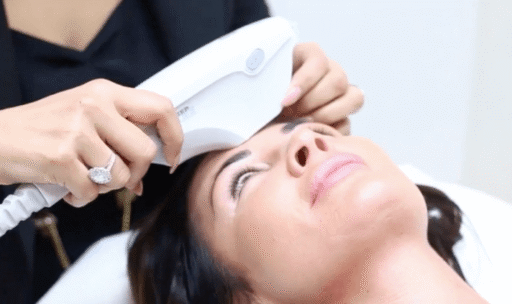
Ultherapy Skin Tightening

Skin Tightening
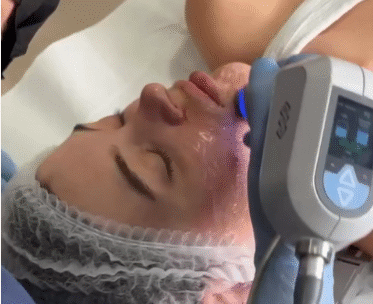
Exilis Elite Skin Tightening

Sofwave Skin Tightening

NuEra Tight Skin Tightening

ULTRAcel Q+ Skin Tightening
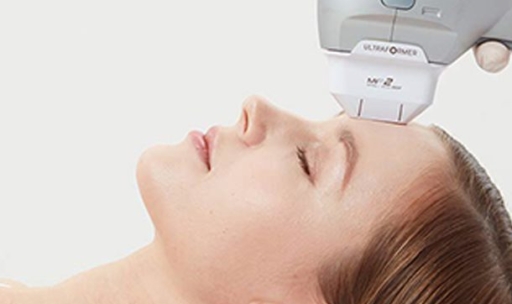
Ultraformer 3 HIFU Skin Tightening

XERF Skin Tightening

About the Author
Dr Nyla Raja | Founder & Medical Director
GMC-registered doctor with over 20 years of clinical experience in aesthetic medicine. Qualifications include MBChB (Hons), MRCGP (Dist), DFFP, and DPDermatology. Member of the British College of Aesthetic Medicine (BCAM).