
Spider Veins vs Varicose Veins: How to Tell the Difference and When to Seek Medical Advice

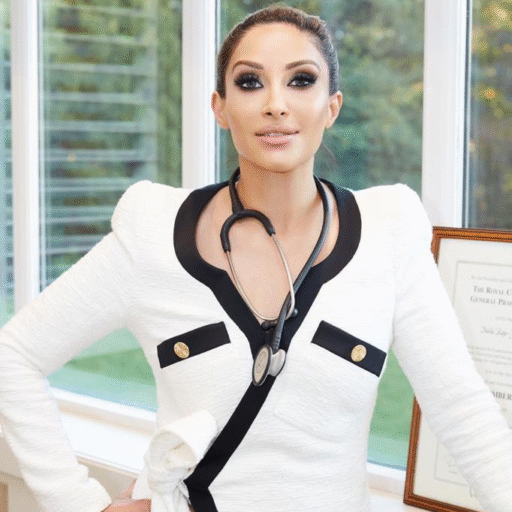
Clinical guidance from Dr Nyla Raja MBChB (Hons), MRCGP (Dist), DFFP, DPDermatology - GMC No. 6057913
Spider veins and varicose veins are both visible leg veins, but they are not the same. Spider veins are fine red, blue, or purple vessels close to the skin’s surface, often appearing in a branching pattern. Varicose veins are wider, swollen, twisted veins that may bulge or feel lumpy beneath the skin.
Spider veins are often a cosmetic concern. Varicose veins can also be cosmetic, but they are more likely to be associated with aching, heaviness, itching, swelling, skin changes, or an underlying issue with blood flow in the leg. If visible veins are painful, changing, bleeding, or accompanied by swelling or skin damage, medical assessment is important.
Spider veins vs varicose veins: the main differences
| Feature | Spider veins | Varicose veins |
|---|---|---|
| Appearance | Fine red, blue, or purple lines, often in a web-like cluster | Wider blue or purple veins that may look twisted, raised, or lumpy |
| Position | Very close to the skin surface | Enlarged superficial veins that may visibly bulge beneath the skin |
| Typical symptoms | Often no physical symptoms | May cause aching, heaviness, itching, throbbing, cramps, or swelling |
| Medical significance | Usually cosmetic, although assessment may still be appropriate | May reflect faulty vein valves and should be assessed if symptomatic or changing |
The terms thread veins and spider veins are often used interchangeably. You may also notice reticular veins: these are slightly larger, flat blue or green veins that sit beneath the skin and can sometimes feed smaller spider veins.
What causes varicose veins?
Veins in the legs contain one-way valves that help blood return towards the heart. Varicose veins can develop when these valves do not work effectively, allowing blood to pool and increasing pressure within the vein. This can make the vein widen, lengthen, and become visible at the surface.
They are more common with increasing age, pregnancy, a family history of vein problems, prolonged sitting or standing, higher body weight, and previous deep vein thrombosis. The NHS explains that varicose veins may worsen gradually over several years, although many people have mild or no symptoms.
Spider veins can develop independently, but they may also be present alongside larger veins. Appearance alone cannot always establish whether there is an underlying vein problem, particularly where there are symptoms or obvious bulging veins.
Clinical Note from Dr Nyla Raja
Dr Nyla Medispa provides sclerotherapy for suitable spider, thread, reticular, and small varicose veins. Visible, bulging, or symptomatic veins may need vascular assessment before cosmetic treatment is considered.
When visible leg veins need medical assessment
It is sensible to arrange a GP assessment if you have visible varicose veins with persistent pain, aching, heaviness, itching, ankle swelling, or symptoms that affect day-to-day comfort. You should also seek assessment if the veins are becoming more prominent or you develop dry, flaky, itchy, discoloured, or eczema-like skin around the lower leg or ankle.
NICE recommends referral to a vascular service for symptomatic varicose veins and for complications including lower-leg skin changes, superficial vein thrombosis, bleeding, or venous leg ulcers. A vascular service can undertake a clinical assessment and duplex ultrasound scan to understand blood flow and plan appropriate treatment.
Seek urgent advice for bleeding, or sudden one-sided symptoms
A varicose vein that is bleeding needs urgent medical advice. The NHS advises contacting NHS 111 or seeking an urgent GP appointment in this situation.
Sudden pain and swelling in one leg, particularly with redness, warmth, or skin colour change, should not be assumed to be caused by visible veins alone. These symptoms can occur with deep vein thrombosis (DVT), which needs urgent assessment. If leg symptoms occur with chest pain or shortness of breath, call 999 or attend A&E immediately. See the NHS guidance on DVT for the symptoms and urgent action required.
When cosmetic vein treatment may be appropriate
If veins are fine, superficial, and not associated with concerning symptoms or skin changes, treatment may be considered primarily to improve their appearance. For suitable leg spider, thread, reticular, and small varicose veins, sclerotherapy can be an appropriate non-surgical option. A carefully placed injection causes the treated vein to close, after which it gradually fades as the body redirects blood through other veins.
However, sclerotherapy is not the right starting point for every visible vein. Larger, bulging varicose veins may require assessment by a vascular specialist, particularly if there is pain, swelling, skin damage, or suspected valve dysfunction. Treating surface vessels without understanding the wider vein pattern may not address the cause of the concern.
Suitability also depends on factors such as pregnancy, circulatory health, previous blood clots, medication, and the location of the veins. A medical consultation helps establish whether treatment is appropriate, which approach is likely to be most suitable, and what result can realistically be expected.
Questions to consider before booking vein treatment
- Are the veins flat and fine, or raised and bulging?
- Do you have aching, heaviness, itching, swelling, or night cramps?
- Has the skin around your ankle or lower leg changed colour, become itchy, or broken down?
- Have you previously had a blood clot, vein procedure, or circulation problem?
- Are the veins changing quickly, tender, hard, or bleeding?
These details help distinguish a primarily cosmetic concern from one that needs medical or vascular assessment first.
The key point
Spider veins are usually fine, surface-level vessels and are often a cosmetic concern. Varicose veins are larger, twisted, or bulging veins that may indicate impaired vein-valve function and can cause symptoms or complications. If you have pain, swelling, skin changes, a hard and tender vein, a leg ulcer, or bleeding, seek medical advice before considering cosmetic treatment.
Need Guidance in Selecting the Most Appropriate Treatment?
About the Author
Considering treatment? Book a free consultation at our clinics in Mayfair London, Alderley Edge Cheshire, or Crosby Liverpool, or call 0800 009 6661.