
Skin Tightening Safety, Side Effects, and Aftercare
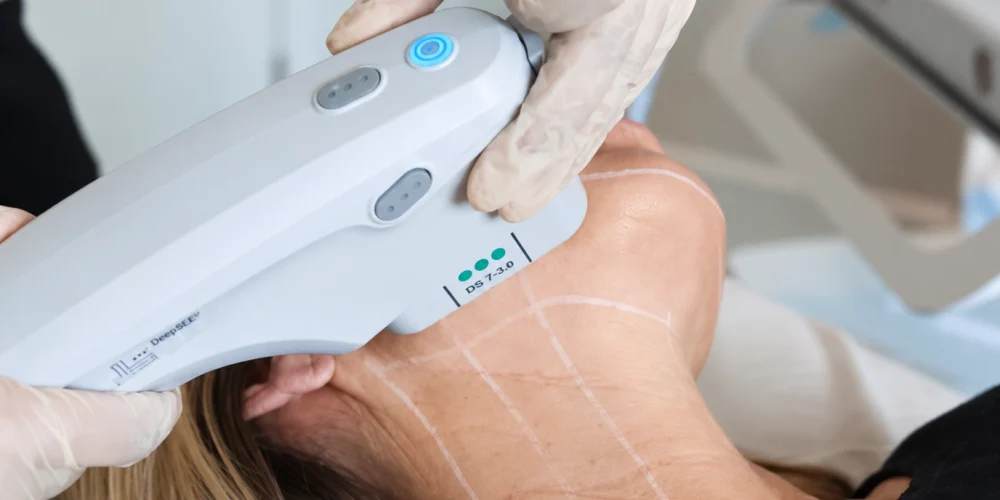
Clinical guidance from Dr Nyla Raja MBChB (Hons), MRCGP (Dist), DFFP, DPDermatology - GMC No. 6057913
Skin Tightening Safety, Side Effects, and Aftercare: At a Glance
Non-surgical skin tightening is not one treatment. Radiofrequency, radiofrequency microneedling, microfocused ultrasound, laser, and plasma-based technologies deliver energy to tissue in different ways and at different depths. Their expected side effects, recovery, and potential complications are therefore not identical.
Temporary redness, swelling, warmth, tenderness, and sensitivity can occur after many energy-based skin tightening treatments. Depending on the technology, less common but more significant complications can include burns, blistering, pigment alteration, infection, scarring, unwanted changes in subcutaneous fat, and nerve-related symptoms.
Safety depends on more than the name of the device. Appropriate patient selection, correct treatment depth and energy settings, knowledge of facial and body anatomy, adherence to treatment protocols, and appropriate clinical follow-up all matter.
- Radiofrequency: temporary warmth, redness, or tenderness may occur; excessive heating can cause thermal injury.
- RF microneedling: redness, swelling, pinpoint bleeding, and temporary sensitivity can occur; more significant complications have also been reported.
- Ultrasound treatments: tenderness, swelling, and temporary altered sensation may occur, with the risk profile depending on the technology and treatment depth.
- Laser and plasma treatments: recovery and risk vary considerably according to treatment intensity and whether the skin surface is disrupted.
- Aftercare: should follow the specific device and treatment protocol rather than a generic set of instructions for all skin tightening procedures.
Individual risk depends on the technology, treatment area, settings, skin type, medical history, and practitioner. A consultation should establish both suitability and the specific risks associated with the treatment being considered.
Is Non-Surgical Skin Tightening Safe?
Energy-based skin tightening treatments can be performed safely in appropriately selected patients, but no procedure is entirely without risk.
The important distinction is that skin tightening describes a treatment objective rather than one technology. A non-invasive radiofrequency treatment does not have the same mechanism, treatment depth, or risk profile as RF microneedling, microfocused ultrasound, laser resurfacing, or plasma treatment. Our guide to the different skin tightening treatments explains how these technologies work, the tissue depths they target, and their different clinical applications.
Safety should therefore be discussed in relation to the exact technology being proposed.
A clinical consultation should establish:
- The primary cause and degree of skin laxity
- The anatomical area being treated
- Skin type and relevant skin conditions
- Medical history and medication
- Previous aesthetic procedures
- Any implanted medical devices or relevant metalwork
- Whether the selected technology is appropriate
- Expected side effects and recovery
- Device-specific contraindications
- What follow-up is available if a complication develops
The NHS guidance on choosing a cosmetic practitioner recommends checking the practitioner’s qualifications, training, experience, insurance, and arrangements for aftercare before undergoing a cosmetic procedure.
What Are the Most Common Skin Tightening Side Effects?
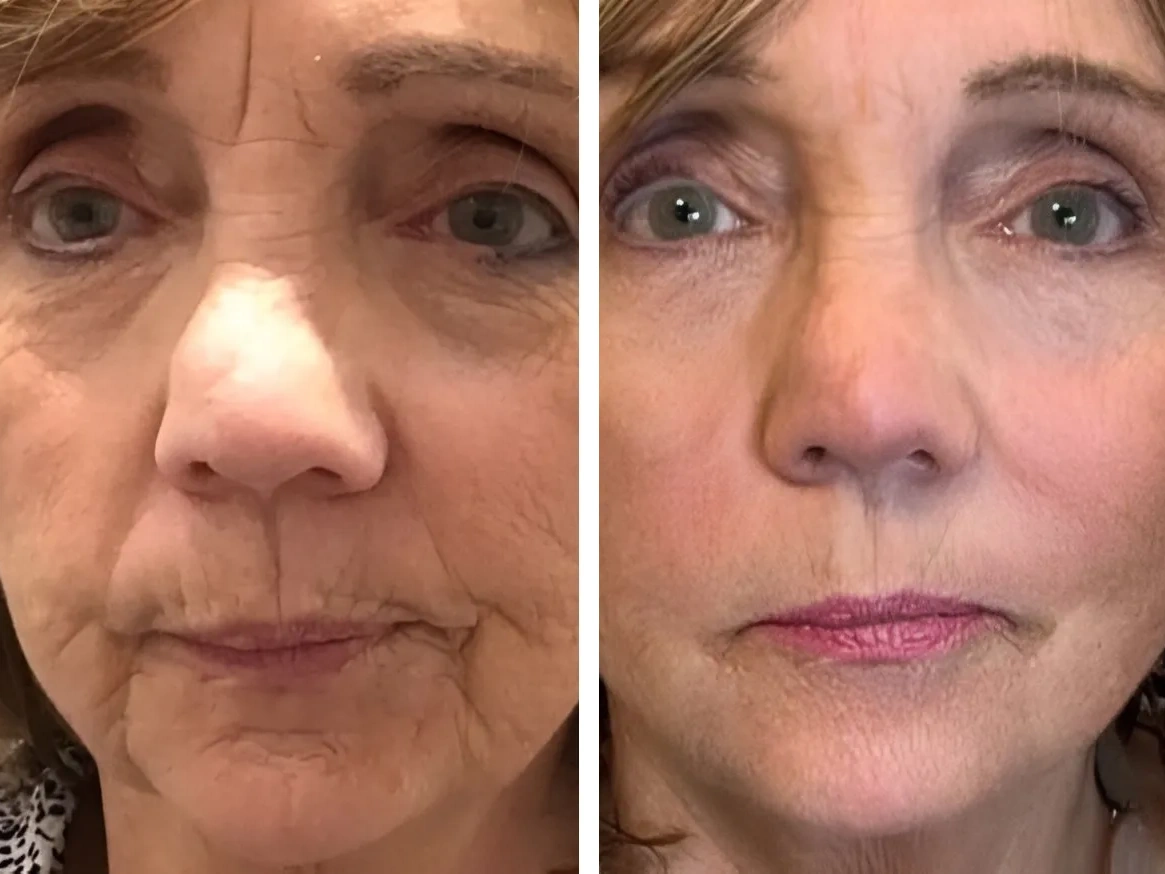
Temporary inflammatory effects can occur after many energy-based procedures because controlled heating or micro-injury forms part of the mechanism used to stimulate tissue remodelling.
Depending on the treatment, short-term effects can include:
- Redness
- Mild swelling
- Warmth
- Tenderness or soreness
- Temporary sensitivity
- Mild bruising
- Tingling or altered sensation
With procedures that physically penetrate or resurface the skin, such as RF microneedling or certain laser treatments, there may also be pinpoint bleeding, dryness, crusting, or temporary peeling.
The expected recovery period varies. A treatment designed to leave the skin surface largely intact may involve relatively little visible downtime, while procedures that create greater epidermal disruption generally require more structured aftercare.
Radiofrequency Skin Tightening: Side Effects and Risks
Radiofrequency treatments use controlled electrical energy to generate heat within selected tissue layers. Depending on the device, RF may be delivered through the skin surface or through microneedles inserted to predetermined depths.
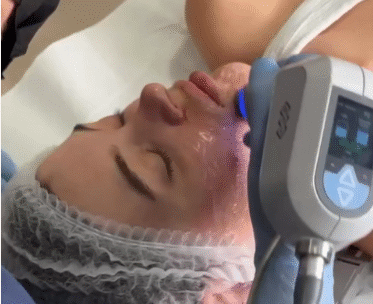
Non-invasive radiofrequency treatments such as NuEra Tight and Exilis Elite use controlled thermal energy without creating needle channels in the skin.
Expected effects may include warmth, temporary redness, mild swelling, or tenderness. Because RF relies on controlled heating, excessive or incorrectly delivered energy can cause thermal injury.
Risk depends on factors including:
- Energy level
- Duration of heating
- Tissue depth
- Treatment area
- Skin and subcutaneous tissue thickness
- Device design and monitoring systems
- Practitioner technique
This is why radiofrequency devices should not be treated as interchangeable simply because they use the same broad form of energy.
RF Microneedling: Side Effects and Potential Complications
RF microneedling combines controlled needle penetration with radiofrequency energy. Treatments such as Morpheus8 and INTRAcel use this principle to stimulate tissue remodelling at selected depths.
Expected short-term effects can include:
- Redness
- Swelling
- Tenderness
- Pinpoint bleeding
- Temporary dryness or roughness
- Temporary sensitivity
A 2026 systematic review of RF microneedling for facial rejuvenation included 22 studies and reported that adverse events in the reviewed literature were predominantly mild and temporary, with erythema and oedema among the most commonly reported effects.
However, published studies do not capture every complication occurring in clinical practice. In October 2025, the US Food and Drug Administration issued a safety communication on RF microneedling after receiving reports of serious complications with certain uses of these devices, including burns, scarring, fat loss, nerve damage, and disfigurement.
This does not mean these complications are expected following RF microneedling. It does reinforce the importance of appropriate patient selection, treatment depth, energy settings, anatomical knowledge, practitioner training, and access to clinical follow-up.
Patients considering Morpheus8 can read our guide to Morpheus8 suitability for further information about patient selection and circumstances in which another treatment may be more appropriate.
Ultrasound Skin Tightening: Side Effects and Risks
Ultrasound-based treatments deliver focused energy into selected tissue depths without creating an incision or needle channel.
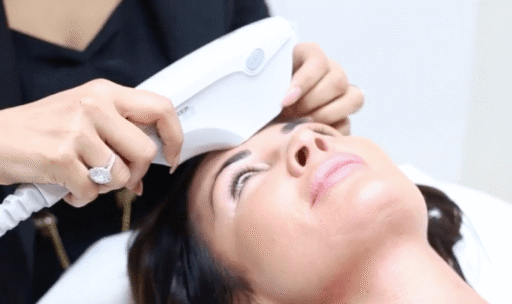
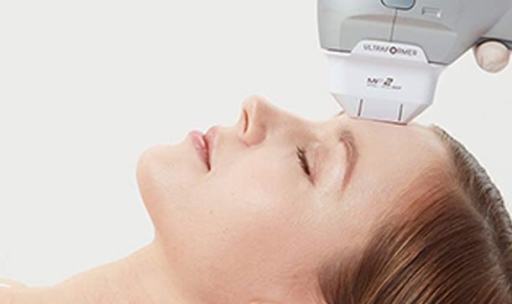
Dr Nyla Medispa offers several ultrasound-based technologies, including Ultherapy, Sofwave, and Ultraformer III. These technologies do not treat tissue at identical depths and should not be assumed to have identical treatment protocols or risk profiles.
Temporary effects following ultrasound treatment may include:
- Redness
- Swelling
- Tenderness
- Tingling
- Temporary altered sensation
- Localised soreness
More significant complications are less common but can include thermal injury or nerve-related symptoms where energy affects unintended tissue.
Patients comparing different technologies can read our Morpheus8 vs Ultherapy vs Sofwave guide for a more detailed explanation of how RF microneedling and ultrasound-based treatments differ.
Laser and Plasma Skin Treatments: Side Effects and Risks
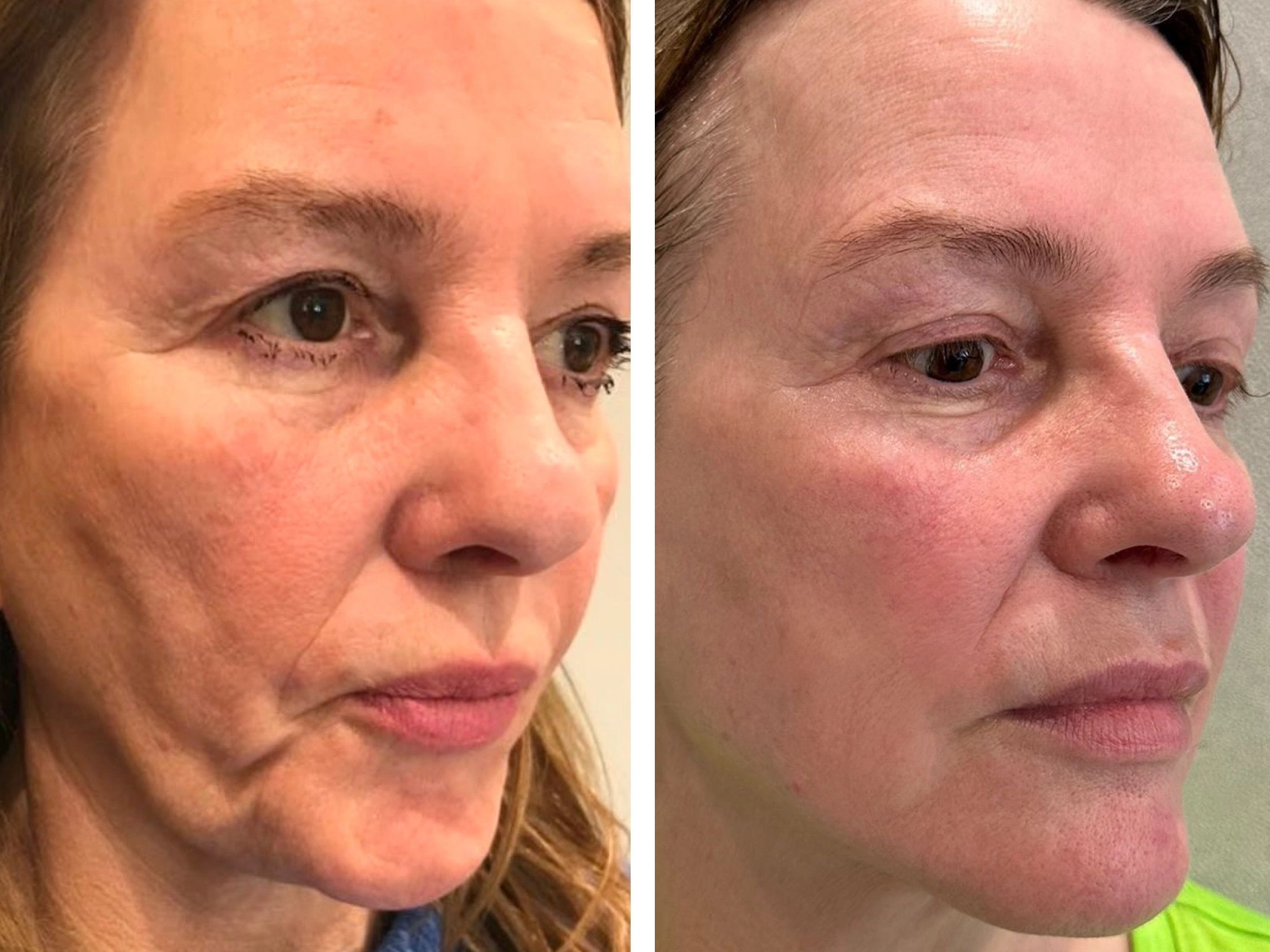
Laser and plasma technologies vary considerably in mechanism and treatment intensity. Some treatments leave the skin surface relatively intact, while others deliberately create controlled epidermal and dermal injury as part of a resurfacing or regenerative procedure.
Depending on treatment intensity, potential effects can include:
- Redness
- Swelling
- Dryness and peeling
- Crusting
- Temporary sensitivity
- Pigment alteration
- Infection
- Prolonged redness
- Scarring
The expected recovery and aftercare therefore need to be discussed for the specific procedure rather than grouped under general skin tightening advice.
Can Skin Tightening Cause Pigmentation Changes?
Post-inflammatory hyperpigmentation or, less commonly, hypopigmentation can occur following procedures that create sufficient heat or inflammation within the skin.
The degree of risk varies according to the treatment technology, energy settings, treatment intensity, individual skin type, recent sun exposure, and previous pigment response.
This is particularly relevant for treatments that disrupt or resurface the epidermis. Skin type should therefore form part of the assessment before treatment, with appropriate preparation and aftercare where required.
Patients with an existing pigmentation concern should discuss this during consultation so that treatment can be planned appropriately.
Can Skin Tightening Cause Unwanted Fat Loss?
This depends on the technology and the depth at which energy is delivered.
Some aesthetic devices are specifically designed to influence subcutaneous fat as part of facial or body contouring. In other circumstances, unwanted alteration of fat can represent an adverse outcome.
This distinction is particularly relevant in the face, where relatively small changes in facial fat can affect contours and proportions.
The FDA’s 2025 RF microneedling safety communication includes fat loss among the serious complications reported with certain uses of RF microneedling devices. This is one reason treatment depth and energy should be selected according to the thickness of the tissue and the intended clinical objective.
Where a patient already has significant facial volume loss, this should be recognised during assessment rather than assuming further tissue tightening is necessarily the appropriate approach.
Can Skin Tightening Cause Numbness or Nerve-Related Effects?
Temporary tingling, numbness, tenderness, or altered sensation can occur after some energy-based treatments.
Most temporary sensory effects should improve during recovery, but persistent numbness, weakness, significant nerve-type pain, or unexpected changes in facial movement require clinical review.
The likelihood and nature of nerve-related effects depend on the treatment technology, anatomical area, treatment depth, energy delivery, and individual anatomy.
Knowledge of facial and body anatomy is therefore particularly important when energy is delivered into deeper tissue layers.
Who May Not Be Suitable for Skin Tightening?
Contraindications vary between devices. Being unsuitable for one technology does not necessarily mean a patient is unsuitable for every non-surgical treatment.
Treatment may need to be avoided, postponed, or modified where factors include:
- Active infection or significant inflammation in the treatment area
- Open wounds or impaired skin integrity
- Pregnancy, where elective energy-based treatment is generally deferred
- Certain implanted electrical or medical devices, depending on the technology
- Relevant medical conditions that affect healing or treatment safety
- Recent procedures that have not fully healed
- Medication that affects the proposed procedure or recovery
- A history of abnormal scarring where relevant
- Significant excess skin that is unlikely to respond adequately to non-surgical treatment
This is not an exhaustive contraindication list. Medical screening should be specific to the proposed procedure and device. Our guide to skin tightening suitability explains how these factors are assessed and when non-surgical treatment may or may not be appropriate.
What Aftercare Is Needed Following Skin Tightening?
Aftercare should be based on the specific treatment performed. Advice suitable after a non-invasive radiofrequency procedure may not be sufficient after RF microneedling or resurfacing treatment.
Depending on the procedure, aftercare may include:
- Keeping the treated area clean
- Avoiding unnecessary touching or rubbing
- Using recommended gentle skincare while the skin settles
- Avoiding irritating active skincare ingredients for the advised period
- Using appropriate sun protection
- Avoiding excessive heat, strenuous exercise, or swimming where advised
- Not picking peeling, crusting, or treated skin
- Following any device-specific instructions provided by the clinic
Patients should follow the instructions provided after their individual procedure rather than applying generic online aftercare advice to every form of skin tightening.
Can I Exercise After Skin Tightening?
This depends on the procedure. Some non-invasive treatments require little restriction, while treatments that produce greater inflammation or disrupt the skin may require strenuous exercise, heat, and sweating to be avoided temporarily.
Can I Use Retinol or Active Skincare After Treatment?
Potentially, but not immediately after every procedure. Retinoids, exfoliating acids, and other active products can irritate recently treated skin, particularly following RF microneedling, laser, or resurfacing procedures.
Your practitioner should advise when your normal skincare routine can be resumed.
Can I Wear Make-Up After Skin Tightening?
This also depends on the treatment. Make-up may be possible relatively quickly after some non-invasive procedures, while treatments that create needle channels or disrupt the skin barrier may require a period without make-up.
Follow the aftercare advice provided for the specific procedure.
When Should I Contact the Clinic After Treatment?
Expected redness, tenderness, or swelling should generally follow the recovery pattern explained during consultation.
Contact the treating clinic if you develop symptoms that are unexpected, worsening, or significantly different from the recovery you were advised to expect.
These may include:
- Increasing rather than improving pain
- Blistering or signs of a burn
- Marked or persistent swelling
- Increasing redness associated with heat, pain, or discharge
- Signs of infection
- Persistent or worsening numbness
- Muscle weakness or unexpected changes in facial movement
- Significant pigment change
- Skin breakdown
- Any symptom that causes concern
Early clinical assessment is preferable to waiting for an unexpected reaction to resolve without advice.
Clinical Note from Dr Nyla Raja
Aftercare is part of treatment rather than an optional extra. Patients should understand what is expected during recovery, what is unusual, and how to contact the clinic if they are concerned. This is particularly important with treatments that use deeper energy delivery or disrupt the skin barrier.

Book in a Free Consultation With Our Expert Team
- Award-winning, doctor-led aesthetic clinics
- Locations in London, Cheshire, and Liverpool
- Over 50 non-surgical treatments available
- Free consultation with a personalised plan
Skin Tightening Safety FAQs
Is skin tightening dangerous?
Appropriately performed non-surgical skin tightening is generally well tolerated in suitable patients, but the risks differ according to the technology. Temporary redness, swelling, tenderness, or sensitivity may occur, while more significant complications depend on the procedure, treatment depth, energy settings, and individual patient factors.
How long does redness last after skin tightening?
It depends on the treatment. Mild redness after some non-invasive procedures may settle relatively quickly, while RF microneedling, laser, or more intensive treatments can produce visible redness for longer. Your practitioner should explain the expected recovery for the specific procedure.
Can radiofrequency skin tightening burn the skin?
Yes. Radiofrequency works by generating controlled heat, so excessive or incorrectly delivered energy can cause thermal injury. Appropriate treatment settings, technique, tissue depth, and device monitoring are important.
Can Morpheus8 cause fat loss?
Unwanted fat loss has been reported with certain uses of RF microneedling devices. The FDA included fat loss among the serious complications reported in its 2025 safety communication. This is not an expected outcome of appropriately planned skin treatment, but it reinforces the importance of selecting treatment depth and energy according to the anatomy and intended objective.
Can Ultherapy cause numbness?
Temporary tingling, tenderness, or altered sensation can occur after ultrasound treatment. Persistent numbness, weakness, or significant nerve-type pain should be reviewed by the treating clinic.
Is Sofwave safer than Ultherapy?
Sofwave and Ultherapy are different ultrasound technologies that deliver energy at different tissue depths. It is not appropriate to describe one as universally safer because risk depends on the patient, treatment area, device protocol, energy delivery, and practitioner.
Can skin tightening make laxity worse?
An unsatisfactory result can occur if the treatment does not address the tissue responsible for the concern. Unwanted changes in subcutaneous tissue following inappropriate energy delivery may also affect facial contours. Clinical assessment is therefore important before selecting a treatment.
Can I exercise after skin tightening?
Advice varies according to the procedure. Some treatments require little restriction, while treatments producing greater inflammation or skin disruption may require strenuous exercise, heat, and sweating to be avoided temporarily.
Can I use retinol after skin tightening?
Potentially, but not immediately after every treatment. Retinoids and exfoliating acids may irritate recently treated skin, particularly following RF microneedling, laser, or resurfacing procedures. Follow the skincare instructions provided by your practitioner.
When should I be concerned after skin tightening?
Contact your treating clinic if symptoms are more severe than expected, worsen rather than improve, or include blistering, significant pain, signs of infection, persistent numbness, weakness, skin breakdown, or another unexpected change.
Skin Tightening Safety Depends on the Treatment, Patient, and Practitioner
Non-surgical skin tightening can be performed safely in appropriately selected patients, but the risks and recovery differ substantially between technologies. Radiofrequency, RF microneedling, ultrasound, laser, and plasma treatments should not be grouped together as though they have identical safety profiles.
Appropriate patient selection, treatment depth, energy settings, anatomical knowledge, and device-specific protocols are central to reducing avoidable risk. Patients should also understand the expected recovery, potential complications, and how to access clinical support after treatment.
The most appropriate treatment should be selected according to anatomy, skin quality, degree of laxity, medical history, previous procedures, and treatment goals rather than the popularity of a particular device.
You can book a free consultation at Dr Nyla Medispa in Mayfair, London, Alderley Edge, Cheshire, or Crosby, Liverpool, to discuss your suitability, the expected recovery, and the potential risks associated with the treatment being considered.
Need Guidance in Selecting the Most Appropriate Treatment?
Related Treatments

Skin Tightening
Ultherapy Skin Tightening
Exilis Elite Skin Tightening

Sofwave Skin Tightening

NuEra Tight Skin Tightening

ULTRAcel Q+ Skin Tightening
Ultraformer 3 HIFU Skin Tightening

XERF Skin Tightening

About the Author
Considering treatment? Book a free consultation at our clinics in Mayfair London, Alderley Edge Cheshire, or Crosby Liverpool, or call 0800 009 6661.