
Sclerotherapy Aftercare: Walking, Compression Stockings, Bruising and Recovery

Clinical guidance from Dr Nyla Raja MBChB (Hons), MRCGP (Dist), DFFP, DPDermatology - GMC No. 6057913
After sclerotherapy, gentle walking is usually encouraged, while strenuous exercise, heat exposure, and direct sun on the treated area may need to be avoided for a short period. Compression stockings are sometimes advised, but the type of veins treated, the area, and your individual medical history all affect the aftercare plan. Follow the instructions given at your appointment, as these take priority over general guidance.
At Dr Nyla Medispa, sclerotherapy is used for suitable spider, thread, reticular, and small varicose veins. The injected solution closes the targeted vein, which is then gradually broken down by the body. It is therefore normal for the area to look temporarily bruised, more visible, or slightly lumpy before it improves.
Walking and activity after sclerotherapy
Walking helps keep the calf muscles moving and supports normal circulation. Most patients can walk straight after treatment and return to gentle day-to-day activity without significant downtime.
For the first few days, aim to remain mobile rather than sitting or standing still for long periods. Short, regular walks are generally more appropriate than one demanding workout. If you have been given a stocking or bandage, wear comfortable clothing and shoes that allow you to walk safely.
Delay running, high-impact exercise, heavy weight training, deep squats, and other strenuous activity until your practitioner says it is appropriate. The exact timing varies according to the extent of treatment and whether liquid or foam sclerotherapy has been used.
Compression stockings: why they may be recommended
Compression garments apply graduated pressure to the leg. They may be used after sclerotherapy to support the treated area, reduce tenderness and bruising, and help keep the treated vein compressed as it settles.
There is no single stocking schedule that is right for every patient. Whether compression is recommended, and for how long, depends on the veins treated and your individual assessment. Your practitioner will tell you whether to wear a garment continuously at first, during the day only, or not at all.
A stocking should feel supportive, not painfully tight. Remove it and contact the clinic promptly if your toes become pale, blue, cold, numb, unusually painful, or swollen.
Clinical Note from Dr Nyla Raja
Dr Nyla Medispa provides sclerotherapy for suitable spider, thread, reticular, and small varicose veins. The aftercare advice given following treatment should reflect the veins treated, your medical history, and whether compression or follow-up is clinically appropriate.
What bruising, lumps, and colour changes can look like
Mild redness, swelling, itching, tenderness, small injection marks, and bruising are common temporary effects. Some treated veins can appear darker or more noticeable initially. Small firm areas along the previous line of a vein can also develop as the treated vessel closes and heals.
Brownish discolouration can occur after sclerotherapy, particularly where there has been inflammation in a larger treated vein. This often fades gradually, although it can take longer for some people. Avoiding direct UV exposure on the treated area is sensible while bruising or pigment change is present, as sun exposure can make discolouration more noticeable. Cover the area or use suitable sun protection once the skin is intact.
| What you may notice | Usually expected | What to do |
|---|---|---|
| Mild bruising, redness, or tenderness | Yes, particularly in the first days | Keep mobile and follow your individual aftercare plan. |
| Veins looking darker or temporarily more visible | Yes | Allow time for the treated vein to settle and fade. |
| Small firm, tender areas along a treated vein | Can occur during healing | Contact the clinic if discomfort is worsening or you are unsure. |
| Rapidly increasing swelling, severe pain, or breathlessness | No | Seek urgent medical advice. |
Baths, heat, sun exposure, and medicines
Heat can increase flushing and swelling, so you may be advised to avoid hot baths, saunas, steam rooms, and intense heat exposure shortly after treatment. Showering and bathing advice can differ according to whether you have a dressing, bandage, or compression garment, so follow the instructions you have been given.
Your practitioner may also advise avoiding aspirin or ibuprofen for a short period, depending on your treatment plan. Do not stop prescribed medicines, including anticoagulants or antiplatelet medication, unless the clinician responsible for your care has specifically advised you to do so.
If you have a long journey or flight planned soon after treatment, discuss this before your appointment. Reduced mobility and individual clotting risk need to be considered rather than relying on a generic travel rule.
When to contact your practitioner or seek urgent help
Contact the clinic promptly if pain, redness, warmth, or swelling is increasing rather than settling; if you develop a blister, broken skin, or signs of infection; or if you are concerned about the way the treated area is healing.
Seek urgent medical help for significant swelling of the whole leg, sudden chest pain, shortness of breath, coughing up blood, or new neurological symptoms. These symptoms are uncommon, but they need prompt assessment. Tell the healthcare professional that you have recently had sclerotherapy.
When will treated veins fade?
Sclerotherapy results are gradual rather than immediate. The body needs time to absorb the closed vein, and visible bruising or temporary colour change can make the area look worse before it looks better. Some patients require more than one session, especially where there are several areas of visible veins or veins of differing sizes.
Larger, bulging varicose veins, leg swelling, aching, skin changes, or a history of thrombosis may need a more detailed vascular assessment. NICE guidance on varicose veins recognises that treatment choice should reflect the underlying vein problem and individual suitability, rather than appearance alone.
The key point
After sclerotherapy, gentle movement and carefully followed aftercare support a straightforward recovery. Temporary bruising, tenderness, colour change, and firmness can be part of the normal healing process, while compression, activity restrictions, and follow-up should always be tailored to the veins treated. If something feels more painful, more swollen, or otherwise different from what you were advised to expect, contact your treating practitioner for guidance.
Need Guidance in Selecting the Most Appropriate Treatment?
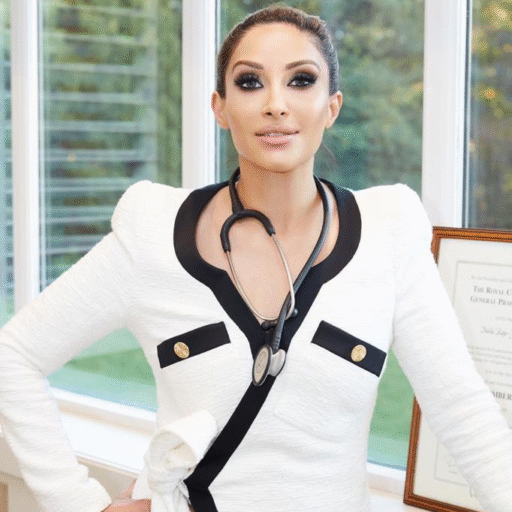
About the Author
Considering treatment? Book a free consultation at our clinics in Mayfair London, Alderley Edge Cheshire, or Crosby Liverpool, or call 0800 009 6661.