
Who Is Suitable for Profhilo, and When Might Another Treatment Be Better?

Clinical guidance from Dr Nyla Raja MBChB (Hons), MRCGP (Dist), DFFP, DPDermatology - GMC No. 6057913
Who Is Suitable for Profhilo? At a Glance
Profhilo is an injectable hyaluronic acid treatment designed primarily to improve skin quality rather than create facial volume or reshape facial features. It is most commonly considered where the concern involves reduced hydration, elasticity, early skin laxity, or age-related deterioration in skin quality.
Good candidates are generally patients with mild to moderate changes in skin quality who want improvement without adding noticeable volume. However, Profhilo is not the most appropriate treatment for every sign of facial ageing. Significant volume loss, deeper structural changes, pronounced skin laxity, localised fat, pigmentation, or substantial excess skin may require a different approach.
The distinction matters because several aesthetic treatments can appear to address similar concerns while acting on different tissues. Profhilo, dermal fillers, ultrasound skin tightening, radiofrequency treatments, and other procedures should therefore be selected according to the underlying anatomy rather than simply the patient’s age or a general desire for rejuvenation.
- Profhilo may be suitable for: reduced hydration, declining elasticity, crepey texture, and early skin laxity
- It does not primarily: replace lost facial volume, reshape the jaw or cheeks, remove fat, or lift significant loose skin
- Dermal fillers may be more appropriate for: structural volume loss or contour changes
- Ultrasound or RF treatments may be more appropriate for: more established skin laxity where tissue tightening is the principal objective
- Another approach may be needed for: pigmentation, significant excess skin, prominent fat deposits, or concerns caused by several anatomical factors
Treatment suitability should be established during an individual clinical assessment. Having a particular concern does not automatically mean Profhilo, or any other aesthetic procedure, is appropriate.
What Does Profhilo Actually Do?
Profhilo contains hyaluronic acid, but it should not be thought of as conventional dermal filler.
Traditional hyaluronic acid fillers are generally selected to restore volume, provide structural support, or alter contour in a specific anatomical area. Profhilo is formulated and used differently. It is injected at selected points with the aim of improving broader skin hydration, elasticity, and tissue quality rather than building a defined shape.
For this reason, Profhilo is sometimes described as a skin-remodelling or injectable skin-quality treatment.
Clinical research on Profhilo and hybrid cooperative complexes of hyaluronic acid has examined outcomes including hydration, elasticity, skin density, texture, and laxity. As with other aesthetic procedures, results vary between patients, and the quality of published evidence should be considered alongside clinical assessment rather than interpreted as a guarantee of outcome.
A commonly used initial protocol involves two treatment sessions approximately four weeks apart, although subsequent treatment planning should be individualised. Our guide to Profhilo results explains when changes typically appear, how long they may last, and why outcomes vary between patients.

Who Is Suitable for Profhilo?
Profhilo is most likely to be considered where the principal concern is declining skin quality rather than a major structural change in the face.
Potential candidates may have:
- Reduced skin hydration
- Early loss of elasticity
- Fine crepey texture
- Mild skin laxity
- Fine lines associated with declining skin quality
- Age-related changes without substantial volume loss
- Skin that appears less resilient or less smooth than previously
There is no specific age at which somebody becomes suitable for Profhilo. Biological ageing, sun exposure, genetics, smoking history, hormonal changes, weight fluctuation, and previous treatments can all influence skin quality.
A patient in their thirties with early textural change may therefore have different indications from somebody in their fifties with a combination of laxity, volume loss, and deeper structural ageing.
Is Profhilo Suitable for Improving Skin Quality and Hydration?
This is one of the clearest situations in which Profhilo may be considered.
Hyaluronic acid has a strong relationship with tissue hydration, and age-related changes in the extracellular matrix contribute to changes in elasticity, resilience, and skin texture.
Where the treatment objective is to improve overall skin quality without deliberately increasing facial volume, Profhilo may be a more appropriate option than conventional filler.
Suitable concerns can include:
- Fine crepiness
- Reduced suppleness
- Dull or dehydrated-looking skin
- Early textural ageing
- A general decline in skin elasticity
However, Profhilo is not a treatment for every form of poor skin quality. Pigmentation, active acne, prominent redness, scarring, and significant photodamage may require other skin treatments targeted more directly at the underlying problem.
Is Profhilo Suitable for Early Skin Laxity?
Profhilo may be considered where skin laxity is mild and primarily associated with declining skin quality.
This might include early softening of the lower face, mild crepiness around the neck, or skin that feels less firm than previously.
The key word is early.
Profhilo does not mechanically lift tissue in the same way as surgery, nor does it deliver focused energy into deeper tissue layers in the way that certain skin tightening procedures can.
Where laxity is more established, Profhilo alone may provide insufficient improvement.
Clinical Note from Dr Nyla Raja
Profhilo is most useful when the treatment goal matches what the product can realistically achieve. If the principal issue is skin quality with relatively mild laxity, it can be a sensible option. If the concern is significant tissue descent or structural volume loss, treating the skin alone is unlikely to address the whole problem.
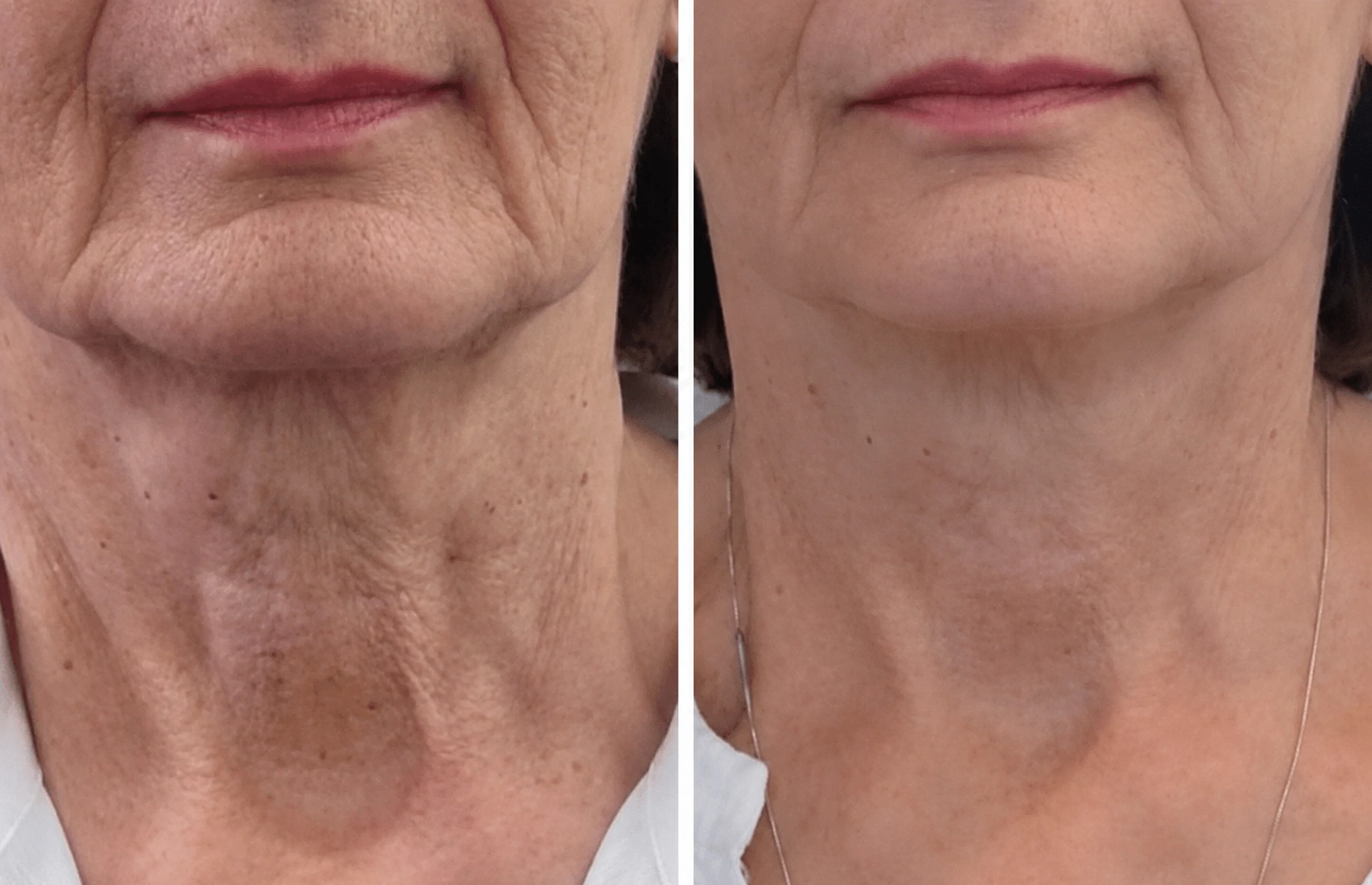
Is Profhilo Suitable for Ageing Skin?
Ageing is not one single process. Changes can occur simultaneously in the skin, fat compartments, bone, ligaments, and muscle.
Profhilo primarily addresses the skin-quality component of ageing.
It may therefore be appropriate where visible ageing includes:
- Reduced elasticity
- Fine lines
- Crepey texture
- Reduced hydration
- Early laxity
It may be less effective as a standalone treatment where the dominant ageing changes are:
- Marked cheek or mid-face volume loss
- A poorly supported jawline
- Pronounced jowling
- Significant neck laxity
- Deep folds caused by structural changes
- Substantial excess skin
Many patients have more than one of these changes. In those cases, the appropriate plan may involve a combination or sequence of treatments rather than asking one procedure to address every component of facial ageing.
Which Treatment Goals Are Well Suited to Profhilo?
Profhilo tends to be better aligned with patients seeking a subtle improvement in the quality of their skin rather than a visible change in facial shape.
Reasonable treatment goals may include:
- Improving hydration and suppleness
- Supporting smoother-looking skin
- Improving early crepiness
- Improving mild loss of elasticity
- Supporting skin quality during the earlier stages of ageing
- Improving skin without creating obvious volume
Less appropriate goals include expecting Profhilo to create prominent cheeks, project the chin, define the jawline, substantially lift jowls, replace lost facial volume, or remove excess skin.
When Might Dermal Fillers Be Better Than Profhilo?
Dermal fillers may be more appropriate when the main problem is volume loss, structural support, or contour.
Examples can include:
- Loss of cheek volume
- Reduced mid-face support
- Chin retrusion or loss of chin projection
- Selected jawline contour concerns
- Deepening folds influenced by volume loss
- Selected areas of facial hollowing
Profhilo should not simply be substituted for filler because a patient wishes to avoid looking “filled”. Appropriate filler treatment does not require excessive volume. Conservative placement can be used where the anatomy genuinely requires structural support.
Conversely, adding filler where the main concern is generalised skin quality can create unnecessary volume without addressing the patient’s actual objective.
Profhilo vs Dermal Filler
A useful distinction is:
- Profhilo: primarily selected for skin quality, hydration, elasticity, and mild laxity
- Dermal filler: primarily selected for volume restoration, structural support, or contour
They are different treatments rather than interchangeable versions of the same injectable.

When Might Ultrasound or Radiofrequency Skin Tightening Be Better?
Where the main concern is more established skin laxity, an energy-based tightening procedure may be more appropriate than Profhilo alone.
Different technologies act in different ways. Ultrasound and radiofrequency treatments deliver controlled energy into selected tissue depths to create thermal effects associated with collagen remodelling.
Examples include:
- Ultherapy: microfocused ultrasound with real-time visualisation
- Sofwave: a distinct branded ultrasound technology designed to deliver controlled energy within the dermis
- Morpheus8: radiofrequency microneedling that combines needles with RF energy
- Other RF technologies: non-invasive systems that heat selected tissue layers without needles
These technologies are not interchangeable, and the appropriate option depends on skin thickness, laxity, anatomical area, downtime tolerance, and the depth of treatment required.
Our guide comparing Morpheus8, Ultherapy, and Sofwave explains the main distinctions between these approaches.
Profhilo vs Skin Tightening
Profhilo may be favoured where the principal issue is hydration, elasticity, and mild textural ageing. Energy-based treatment may be considered where tightening is a more significant part of the treatment objective.
Some patients may be suitable for both approaches at different stages of a treatment plan. Combination treatment should still be based on a clear indication rather than adding procedures simply because they are available.
When Might Another Treatment Be More Appropriate?
Not every concern described as “ageing skin” is primarily caused by skin quality or laxity.
Pigmentation or Sun Damage
Where brown spots, uneven pigmentation, or photodamage are the dominant concerns, treatment directed at pigment may be more appropriate than Profhilo.
Acne Scarring or Significant Texture
Scarring may require treatments such as microneedling, energy-based procedures, or other targeted approaches depending on scar type.
Facial Volume Loss
Where the face appears hollow or poorly supported, restoring selected areas of volume may be more appropriate than improving skin hydration alone.
Jowls
Sagging jowls can result from several interacting factors, including skin laxity, volume redistribution, skeletal support, and localised fat. Profhilo cannot be expected to correct all of these mechanisms.
Significant Loose Skin
Non-surgical treatments have limits. Where there is substantial excess skin, particularly after significant weight loss or advanced ageing, surgery may provide a degree of tissue removal that injectable or energy-based treatments cannot reproduce.
A responsible consultation should include the option of advising against non-surgical treatment when the expected improvement is unlikely to meet the patient’s goal.
Who May Not Be Suitable for Profhilo?
Suitability must be assessed individually, but treatment may be unsuitable, contraindicated, or postponed in circumstances including:
- Pregnancy or breastfeeding
- Active infection or inflammation in or near the treatment area
- Known hypersensitivity to relevant product components
- Certain significant medical conditions or immune disorders
- Relevant medication or treatment that affects healing, bleeding, or immune function
- Previous complications from injectable treatments that require further assessment
- Unrealistic expectations about what Profhilo can achieve
A history of previous filler or other facial procedures should also be discussed. It does not automatically exclude treatment, but it may alter assessment and planning.
Patients should provide a complete medical history, including medication, supplements, allergies, previous aesthetic procedures, and any history of complications.
What Are the Risks and Side Effects of Profhilo?
Profhilo is injectable treatment and should not be treated as risk-free simply because it is commonly described as minimally invasive.
Expected temporary effects can include:
- Small raised areas at injection points immediately after treatment
- Redness
- Tenderness
- Swelling
- Bruising
Less common complications can occur with injectable procedures. Appropriate anatomical knowledge, aseptic technique, patient selection, consent, and access to clinical follow-up are therefore important. Patients considering treatment should also understand Profhilo safety, side effects, and aftercare, including what to expect following the injections and when to contact the clinic.
The professional principles set out in the GMC guidance on cosmetic interventions emphasise appropriate assessment, informed consent, realistic expectations, practitioner competence, and continuity of care.
Why Is Consultation Important Before Choosing Profhilo?
The most useful question is not simply whether Profhilo is a good treatment. It is whether Profhilo is appropriate for the specific tissue change causing your concern.
A clinical assessment should consider:
- Skin hydration and quality
- Degree of laxity
- Facial volume
- Fat distribution
- Facial structure and proportions
- Previous injectable or energy-based treatment
- Medical history and contraindications
- The result you are hoping to achieve
This allows the practitioner to distinguish between a skin-quality problem, structural volume loss, tissue laxity, or a combination of several factors.
Clinical Note from Dr Nyla Raja
A treatment should be selected because it matches the anatomy and the patient’s objective. In some patients, Profhilo alone is entirely appropriate. In others, filler, ultrasound, radiofrequency, another skin treatment, or no treatment may be the more appropriate recommendation.
At Dr Nyla Medispa, Profhilo is provided within a doctor-led, medically regulated clinic. Treatment planning begins with an individual assessment rather than assuming that every patient concerned about ageing skin requires the same procedure.

Book in a Free Consultation With Our Expert Team
- Award-winning, doctor-led aesthetic clinics
- Locations in London, Cheshire, and Liverpool
- Over 50 non-surgical treatments available
- Free consultation with a personalised plan
Profhilo Suitability FAQs
What age is best for Profhilo?
There is no single best age. Suitability depends on skin quality, elasticity, laxity, medical history, and treatment goals rather than chronological age alone.
Is Profhilo good for sagging skin?
Profhilo may help where laxity is mild and associated with declining skin quality. More established laxity may be better addressed with an energy-based tightening treatment, while substantial excess skin may require a surgical opinion.
Is Profhilo better than fillers?
Neither treatment is universally better. Profhilo is primarily used to improve skin quality, while dermal fillers are used for selected volume restoration, support, and contour. The appropriate treatment depends on the underlying concern.
Is Profhilo better than Ultherapy?
They address different aspects of ageing. Profhilo is an injectable hyaluronic acid skin-quality treatment, while Ultherapy uses microfocused ultrasound and is principally selected for tissue tightening in suitable patients.
Can Profhilo replace dermal filler?
Not where genuine structural volume replacement or contouring is required. Profhilo does not provide the same localised support or projection as appropriately selected dermal filler.
Can Profhilo help jowls?
It may improve skin quality where mild laxity contributes to the appearance, but jowls are multifactorial. Established jowling may involve skin laxity, volume changes, facial structure, and localised fat, so another treatment or combination may be more appropriate.
Can Profhilo be used on the neck?
Profhilo may be considered for selected patients with neck crepiness, declining elasticity, or mild laxity. More pronounced neck laxity may require a different tightening approach.
How many Profhilo treatments are usually needed?
A commonly used initial protocol consists of two treatments approximately four weeks apart. Further treatment should be based on response, ongoing suitability, and the individual treatment plan.
Who should avoid Profhilo?
Treatment may be inappropriate or postponed during pregnancy or breastfeeding, where active infection or inflammation is present, or where medical history, allergy, medication, or another clinical factor creates a contraindication. Suitability should be assessed individually.
Who Is Suitable for Profhilo? The Treatment Should Match the Underlying Concern
Profhilo is best suited to selected patients whose principal concerns involve skin hydration, elasticity, texture, and early laxity, particularly where they want to improve skin quality without deliberately adding facial volume.
It is not a universal treatment for facial ageing. Structural volume loss may be better treated with dermal filler, more established laxity may be more suited to ultrasound or radiofrequency skin tightening, and pigmentation, scarring, localised fat, or significant excess skin may require a different approach.
The most important part of treatment planning is therefore identifying what is actually causing the visible concern and setting realistic expectations about what each procedure can achieve.
If you are considering Profhilo, you can book a free consultation at Dr Nyla Medispa in Mayfair London, Alderley Edge Cheshire, or Crosby Liverpool to discuss your skin, suitability, and the treatment options most appropriate to your goals.
Need Guidance in Selecting the Most Appropriate Treatment?
Related Treatments
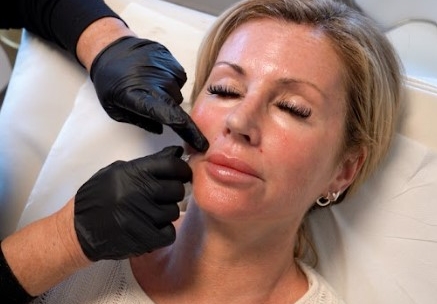
Profhilo Skin Remodelling

Dermal Fillers
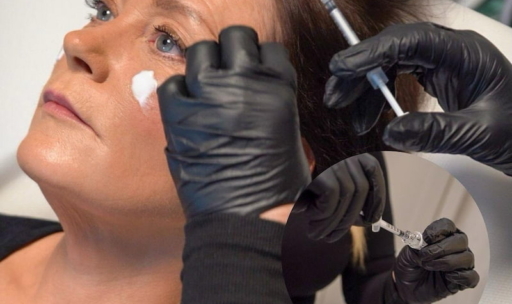
Polynucleotide Treatment
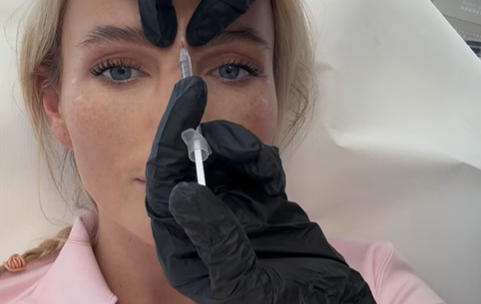
Exosome Skin Treatment

About the Author
Dr Nyla Raja | Founder & Medical Director
GMC-registered doctor with over 20 years of clinical experience in aesthetic medicine. Qualifications include MBChB (Hons), MRCGP (Dist), DFFP, and DPDermatology. Member of the British College of Aesthetic Medicine (BCAM).