
Profhilo Explained: What It Is, How It Works, and What It Can Improve

Clinical guidance from Dr Nyla Raja MBChB (Hons), MRCGP (Dist), DFFP, DPDermatology - GMC No. 6057913
Profhilo Explained: At a Glance
Profhilo is an injectable hyaluronic acid treatment designed primarily to improve skin hydration, elasticity, firmness, and overall skin quality. It differs from conventional dermal filler because it is not principally used to add projection, replace structural volume, or reshape facial features.
Profhilo contains stabilised complexes of high- and low-molecular-weight hyaluronic acid. Its formulation allows it to disperse through the treated tissues rather than remaining as a highly localised volumising implant. The intention is therefore broader improvement in the quality of the skin rather than creation of a specific facial contour.
- What Profhilo is: an injectable treatment containing high- and low-molecular-weight hyaluronic acid
- Main treatment objective: improving hydration and selected aspects of skin quality
- How it differs from dermal filler: it is not primarily designed to create volume, projection, or structural contour
- Common treatment areas: face, neck, décolletage, and hands, with selected body areas treated using appropriate protocols and products
- What it may improve: dehydration, mild crepiness, elasticity, texture, and early skin laxity
- What it cannot do: replace substantial facial volume, create a defined jawline or chin, remove significant loose skin, or reproduce a surgical lifting effect
- Results: develop gradually rather than producing the immediate structural change associated with dermal filler
Profhilo is best understood as a skin-quality treatment rather than a substitute for dermal filler or a lifting procedure. Suitability depends on the condition of the skin, the anatomical concern, medical history, and the result the patient is hoping to achieve.
What Is Profhilo?
Profhilo is an injectable hyaluronic acid treatment developed to improve the biological and physical qualities of ageing or dehydrated skin.
It is frequently described as a skin bioremodelling treatment. This reflects the fact that its purpose is not simply to place volume beneath a wrinkle or build projection into a facial feature.
Instead, Profhilo is distributed through selected areas of tissue with the objective of improving characteristics such as hydration, elasticity, smoothness, and mild laxity.
This places it in a different clinical category from conventional facial fillers used for cheeks, lips, chin, jawline, or tear trough volume.

What Is in Profhilo?
Profhilo contains hyaluronic acid, a polysaccharide that occurs naturally within the body’s skin, connective tissues, and joints.
The standard Profhilo formulation contains a combination of high- and low-molecular-weight hyaluronic acid organised into what are known as hybrid cooperative complexes.
These complexes are produced using the manufacturer’s NAHYCO® technology, a thermal stabilisation process rather than the chemical cross-linking commonly used to create many conventional hyaluronic acid dermal fillers.
A standard 2 ml syringe contains 64 mg of hyaluronic acid: 32 mg of high-molecular-weight and 32 mg of low-molecular-weight HA.
The resulting product is relatively fluid and designed to distribute through the tissue rather than behaving like a firm structural gel.
How Does Profhilo Work?
Profhilo has two relevant characteristics: the water-binding properties of hyaluronic acid and the biological interaction of its high- and low-molecular-weight HA complexes with skin tissues.
Hyaluronic acid binds water within the extracellular environment. Introducing HA into the skin can therefore increase water availability within the treated tissue and contribute to improved hydration.
Profhilo is also designed to support tissue remodelling. Laboratory research on its hybrid cooperative complexes has demonstrated changes in fibroblast and keratinocyte activity and increased expression of proteins associated with collagen and elastin production.
These biological findings provide a plausible mechanism for improvements in elasticity and tissue quality, although laboratory findings should not be interpreted as a guarantee of a particular clinical result.
Clinical research has reported improvements in measures including skin hydration, elasticity, laxity, and wrinkle severity in treated patients. The available evidence is developing, and outcomes vary between individuals.
Patients interested in the underlying research can review clinical research on Profhilo hyaluronic acid hybrid complexes and subsequent studies examining skin hydration and tissue quality.
Clinical Note from Dr Nyla Raja
Profhilo is most useful when the primary concern is the quality of the skin rather than a lack of facial structure. If a patient needs cheek support, chin projection, or restoration of a clear volume deficit, improving hydration alone will not correct that anatomical problem.
Is Profhilo a Dermal Filler?
Profhilo contains hyaluronic acid, but it should not be treated as equivalent to a conventional dermal filler.
Traditional hyaluronic acid fillers are formulated to provide varying degrees of shape, projection, volume, and structural support. Depending on their properties, they can be placed in areas such as the cheeks, lips, chin, jawline, tear troughs, or nose.
Profhilo has a different physical behaviour and treatment objective.
| Consideration | Profhilo | Dermal Filler |
|---|---|---|
| Primary purpose | Skin hydration and tissue quality | Volume, contour, projection, and structural support |
| Behaviour in tissue | Designed to disperse through the treatment area | Selected to remain more locally where volume or support is required |
| Facial contouring | Not its primary role | Can be used for contouring where appropriate |
| Immediate structural change | Limited; results develop progressively | Often visible immediately because volume has been placed |
If someone has significant cheek volume loss, for example, Profhilo should not be expected to recreate the structural effect of cheek filler. Similarly, it cannot create chin projection or sharpen a jawline in the way an appropriately selected structural filler can.
Profhilo vs Skin Boosters
Profhilo is often discussed alongside skin boosters because both are used to improve skin quality rather than create obvious facial volume.
The terms are not completely interchangeable. Skin boosters cover a broader category of injectable treatments, and their compositions, injection techniques, and intended effects can differ.
Profhilo uses its specific hybrid high- and low-molecular-weight HA formulation and has its own treatment protocol.
The choice between treatments should therefore be based on the patient’s skin, the anatomical area, and the desired clinical effect rather than assuming all injectable hyaluronic acid products perform the same function.
Which Areas Can Profhilo Treat?
Face
The face is one of the most commonly treated areas. Profhilo may be considered where the main concerns include dehydration, reduced elasticity, fine crepiness, or early changes in skin firmness.
It is not generally used to sculpt individual features. A patient wanting greater cheek projection or a more defined chin would require a different treatment assessment.
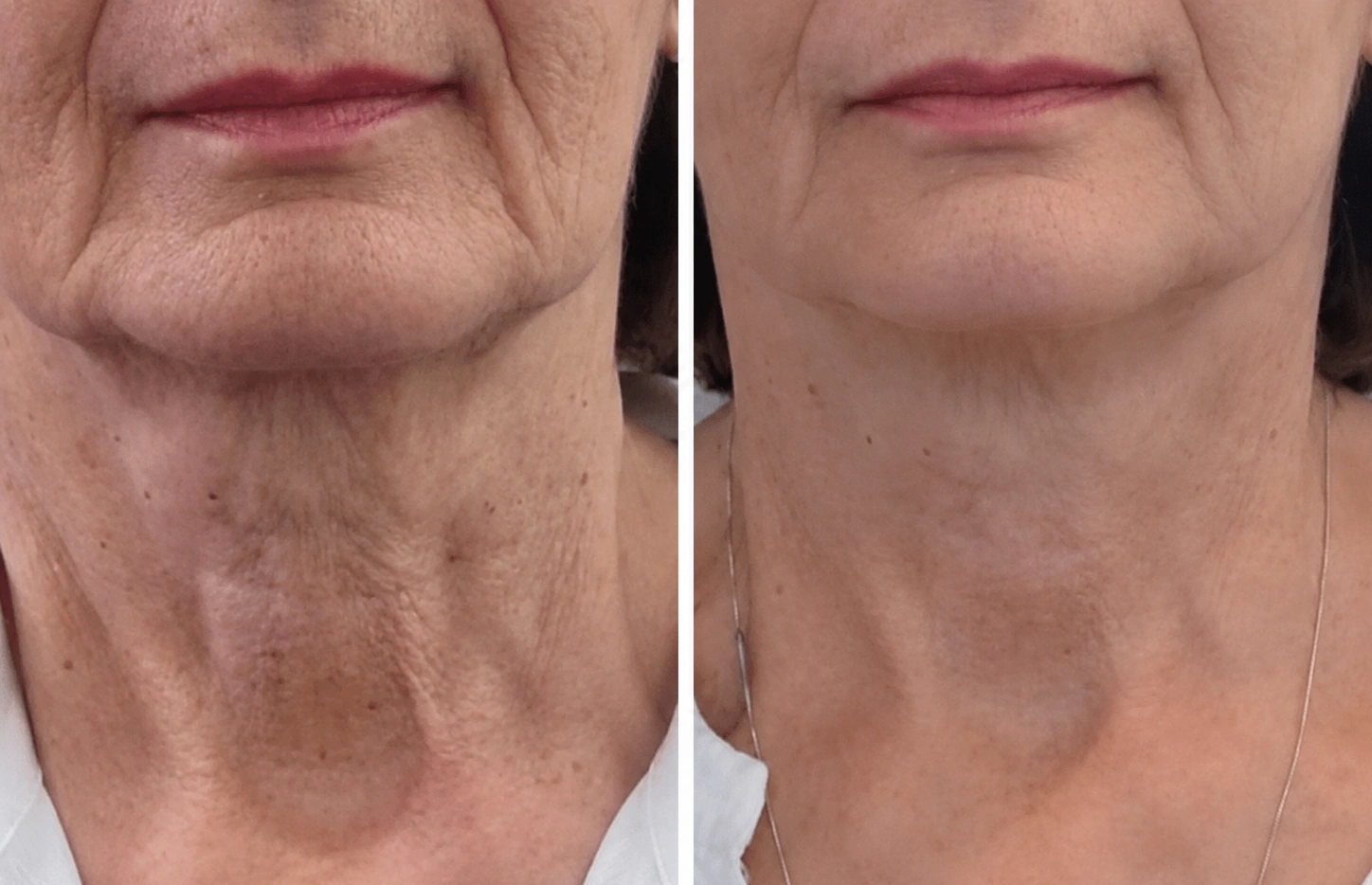
Neck
The neck can develop fine lines, crepiness, reduced elasticity, and mild laxity with age.
Profhilo may help improve the quality and hydration of the skin in suitable patients. It cannot remove substantial loose neck skin or reproduce a surgical neck lift.
Décolletage
Skin across the upper chest can become dry, finely wrinkled, and sun-damaged.
Profhilo may support hydration and texture, although pigmentation and significant photodamage may require a treatment specifically directed at those concerns.
Hands
The hands can show skin thinning, dehydration, and age-related textural changes.
Profhilo may be considered where improving skin quality is the primary objective. More substantial loss of soft-tissue volume may require a different treatment approach.
Selected Body Areas
Specific Profhilo formulations and protocols may also be used for selected body areas where laxity and skin quality are concerns. The product and technique should be selected according to the anatomical area rather than assuming that the facial protocol applies universally.
What Can Profhilo Realistically Improve?
In appropriately selected patients, Profhilo may improve:
- Skin hydration
- Mild crepiness
- Skin smoothness and texture
- Selected fine lines
- Elasticity
- Mild loss of firmness
- Early or modest skin laxity
- The overall appearance of dehydrated or ageing skin
The changes are generally subtle and progressive.
Profhilo should not be expected to produce the sharply defined before-and-after change associated with adding volume to a chin or lips. The intended result is an improvement in the characteristics of the skin itself.
What Profhilo Cannot Do
Profhilo has clear limitations.
It cannot:
- Replace substantial facial volume loss
- Build cheek projection
- Define a structurally weak jawline
- Increase lip volume
- Fill a significant tear trough hollow
- Reshape the nose
- Remove facial fat
- Remove significant loose skin
- Correct dynamic expression lines by relaxing muscles
- Directly remove pigmentation or significant sun damage
- Reproduce the effect of a surgical facelift
This distinction is important because phrases such as “Profhilo facelift” can create unrealistic expectations. Profhilo may improve mild laxity and tissue quality, but it does not mechanically reposition descended facial tissues.
Can Profhilo Tighten Loose Skin?
Profhilo may improve the appearance of mild skin laxity where reduced hydration, elasticity, and tissue quality are contributing to the concern.
Clinical studies of Profhilo and related hybrid cooperative HA formulations have reported improvements in measures of elasticity, hydration, and laxity in selected treatment areas.
However, “tightening” needs to be used carefully.
Profhilo does not physically remove excess skin or reposition significantly descended tissue. If laxity is substantial, treatments specifically designed for tissue tightening, structural support, or surgery may be more appropriate.
For example, Ultraformer III works through a different mechanism and may be considered where tissue tightening rather than primarily hydration is the treatment objective.
Clinical Note from Dr Nyla Raja
The term “lifting” can be misleading with Profhilo. Improving hydration, elasticity, and tissue quality may make mildly lax skin look firmer, but this is very different from physically restoring structural volume or repositioning loose tissue.

What Does Profhilo Treatment Involve?
Profhilo is injected at selected anatomical points according to the area being treated and the clinical protocol used.
For facial treatment, a commonly used technique places small amounts of product at defined points on each side of the face. The formulation then disperses through the surrounding tissue.
A typical initial treatment course involves two sessions approximately four weeks apart. Further maintenance may be considered according to skin condition, response, and individual treatment goals.
This schedule should not be treated as a guarantee that every patient requires exactly the same course. The practitioner should first establish whether Profhilo is appropriate and whether another treatment would more directly address the concern.
When Do Profhilo Results Develop?
Profhilo is not designed to create an immediate volumising result.
Temporary raised injection points may initially be visible after treatment. These usually settle as the product disperses.
Changes in hydration and skin feel may become noticeable during the following weeks, with improvements in texture, elasticity, and overall skin quality developing progressively through the treatment course.
Results vary according to age, baseline skin condition, treatment area, lifestyle, and individual biological response. Our guide to Profhilo results explains in more detail when changes typically appear, how long they may last, and why outcomes vary between patients.
For patients considering treatment partly on cost, our guides to Profhilo cost in the UK and Profhilo cost in London explain how treatment courses are typically priced.
Profhilo Side Effects and Safety
Profhilo is an injectable treatment, so temporary injection-related effects can occur.
These may include:
- Small raised bumps at injection points
- Redness
- Swelling
- Tenderness
- Bruising
These effects are usually short-lived. For more detailed guidance on expected reactions, potential complications, recovery, and what to avoid following treatment, see our guide to Profhilo safety, side effects, and aftercare.
As with any injectable product placed into facial tissues, less common complications are possible. Infection, inflammatory reactions, nodules, and vascular complications are important considerations with injectable treatments, even where the product is being used for skin quality rather than structural filling.
Published clinical evidence on Profhilo safety and efficacy has generally reported favourable tolerability, while also recognising that the evidence base includes relatively small studies and continues to develop.
Treatment should therefore take place after appropriate assessment, with a practitioner who understands the relevant anatomy and can recognise and manage complications.
At Dr Nyla Medispa, Profhilo is provided within a doctor-led, medically regulated clinic, with treatment planning based on individual skin concerns and suitability.
Who May Be Suitable for Profhilo?
Profhilo may be considered where the principal concerns relate to:
- Dehydrated skin
- Early loss of elasticity
- Mild skin laxity
- Fine crepiness
- Changes in skin texture
- Age-related decline in overall skin quality
Age alone does not determine who is suitable for Profhilo.
A younger patient with good facial structure but dehydrated skin may have a very different treatment objective from an older patient with substantial volume loss and laxity. In the second situation, Profhilo alone may not adequately address the structural changes present.
Medical history, previous injectable treatments, skin condition, allergies, medicines, pregnancy or breastfeeding status, active skin problems, and expectations should all be reviewed before treatment.
Profhilo may also be compared with regenerative treatments such as polynucleotides. They are not interchangeable, and our guide to polynucleotides vs Profhilo explains their different roles in skin-quality treatment.

Book in a Free Consultation With Our Expert Team
- Award-winning, doctor-led aesthetic clinics
- Locations in London, Cheshire, and Liverpool
- Over 50 non-surgical treatments available
- Free consultation with a personalised plan
Profhilo Explained: FAQs
Is Profhilo a filler?
It contains hyaluronic acid but is not used like a traditional volumising dermal filler. Its main objective is improving hydration and skin quality rather than creating projection or changing facial contours.
Does Profhilo add volume to the face?
Profhilo introduces material into the tissue, but it is not intended to create localised structural volume in the way cheek, chin, jawline, or lip filler does. Patients seeking facial contouring usually require a different treatment approach.
Does Profhilo stimulate collagen?
Laboratory studies of Profhilo’s hybrid hyaluronic acid complexes have shown increased expression of collagen- and elastin-related markers. Clinical studies have also reported improvements in measures of skin quality. It is more accurate to describe Profhilo as supporting tissue remodelling than to promise a specific amount of new collagen production in an individual patient.
Does Profhilo make your face look fuller?
It should not create the same visible fullness as conventional dermal filler. Its intended effect is a broader improvement in skin quality rather than a deliberate increase in facial projection or size.
Can Profhilo lift jowls?
Profhilo may improve mild skin laxity, but it cannot restore significant lost structural support or remove loose tissue. Jowls can involve volume loss, skin laxity, fat distribution, skeletal changes, and muscular factors, so treatment depends on the underlying anatomy.
Is Profhilo good for the neck?
The neck is a common treatment area where Profhilo may improve hydration, fine crepiness, and mild loss of elasticity. It cannot remove substantial loose skin.
Is Profhilo better than dermal filler?
Neither is universally better. They have different purposes. Profhilo is primarily used for skin quality, while dermal filler is generally selected where volume, projection, contour, or structural support is required.
Is Profhilo the same as a skin booster?
It is often grouped within the wider skin-booster category because of its focus on skin quality, but Profhilo has a specific formulation and treatment protocol. Other skin boosters may contain different concentrations or combinations of ingredients.
Can Profhilo treat wrinkles?
It may improve fine lines associated with dehydration and changes in skin quality. It is less appropriate for deep structural folds or dynamic wrinkles caused predominantly by muscle contraction.
Can Profhilo replace Botox?
No. Botox temporarily reduces selected muscle activity. Profhilo is used to improve skin hydration and quality. They address different causes of facial ageing.
Can Profhilo replace a facelift?
No. Profhilo does not surgically reposition facial tissues or remove excess skin. It may improve mild laxity and skin quality but should not be presented as an alternative capable of producing the same structural change as surgery.
Profhilo: Improving Skin Quality Rather Than Adding Facial Volume
Profhilo is most appropriately understood as an injectable treatment for hydration and skin quality. Its combination of high- and low-molecular-weight hyaluronic acid is designed to disperse through treated tissues and support improvements in hydration, elasticity, texture, and mild laxity.
Its limitations are important. Profhilo does not perform the same role as a structural dermal filler, cannot build facial projection, and should not be expected to lift substantial loose tissue.
The key distinction is therefore between skin quality and facial structure. Where dehydration, fine crepiness, and early loss of elasticity are the main concerns, Profhilo may be appropriate. Where the problem is substantial volume loss, structural deficiency, or significant skin laxity, another treatment may be more suitable.
If you are considering Profhilo, you can book a free consultation to discuss your skin, suitability, treatment goals, and the most appropriate approach.
Need Guidance in Selecting the Most Appropriate Treatment?
Related Treatments
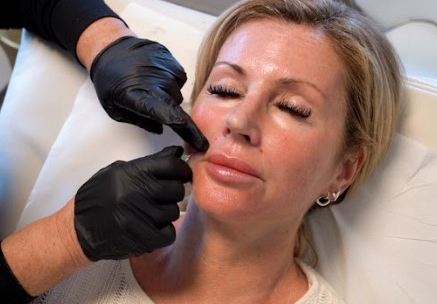
Profhilo Skin Remodelling

Dermal Fillers
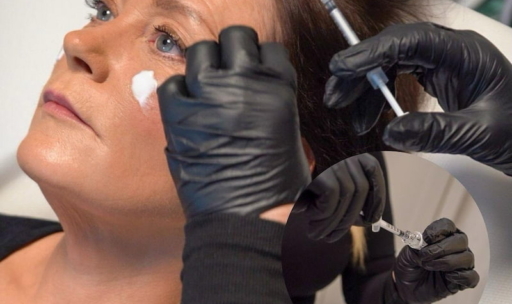
Polynucleotide Treatment
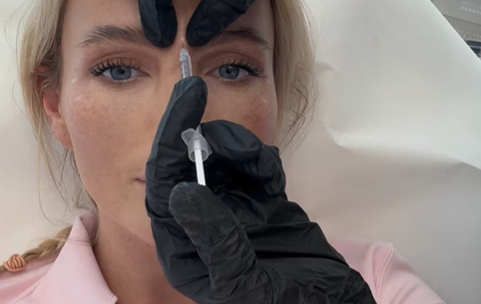
Exosome Skin Treatment

About the Author
Considering treatment? Book a free consultation at our clinics in Mayfair London, Alderley Edge Cheshire, or Crosby Liverpool, or call 0800 009 6661.