
Who Is Suitable for Morpheus8, and When Might Another Treatment Be Better?

Clinical guidance from Dr Nyla Raja MBChB (Hons), MRCGP (Dist), DFFP, DPDermatology - GMC No. 6057913
Who Is Suitable for Morpheus8? At a Glance
Morpheus8 is a radiofrequency microneedling treatment that combines controlled microneedling with radiofrequency energy delivered into selected tissue depths. It is commonly considered for concerns such as uneven skin texture, selected acne scarring, early loss of firmness, and some signs of skin ageing.
Suitability depends on more than age or the presence of a particular concern. The condition of the skin, degree of laxity, type of scarring, medical history, previous procedures, treatment expectations, and whether another technology would better address the underlying problem all need to be considered.
Morpheus8 can be useful for appropriately selected patients, but it is not a universal solution for loose skin, facial ageing, acne scars, pigmentation, or volume loss. A good assessment should determine what is creating the visible concern before deciding which treatment to use.
- May be considered for: uneven texture, selected acne scars, mild to moderate loss of firmness, and broader skin-quality concerns
- Assessment is important for: skin type, scar type, degree of laxity, medical history, medications, and previous treatments
- Treatment may need to be postponed: where there is active infection, inflamed skin, or another unresolved skin problem in the proposed treatment area
- Another treatment may be more appropriate: where the main concern is facial volume loss, dynamic wrinkles, significant excess skin, pigmentation, or a condition requiring medical treatment
Suitability should be determined individually. The presence of a concern commonly treated with Morpheus8 does not necessarily mean Morpheus8 is the most appropriate treatment for that patient.
What Is Morpheus8?
Morpheus8 is an RF microneedling treatment. Fine needles create controlled channels within the skin while radiofrequency energy is delivered at selected depths. For a more detailed explanation of the technology, our guide to how Morpheus8 works explains how microneedling and radiofrequency energy work together, including the role of collagen remodelling.
The controlled mechanical and thermal stimulation is intended to support collagen remodelling and can be used to improve aspects of skin texture, firmness, and selected scars.
Morpheus8 should not be described as a laser treatment. Laser technologies use light energy, while Morpheus8 uses radiofrequency energy delivered through microneedles.
The depth, energy settings, number of passes, and treatment pattern can be adjusted according to the anatomical area and clinical objective. This makes appropriate patient selection and treatment planning important.
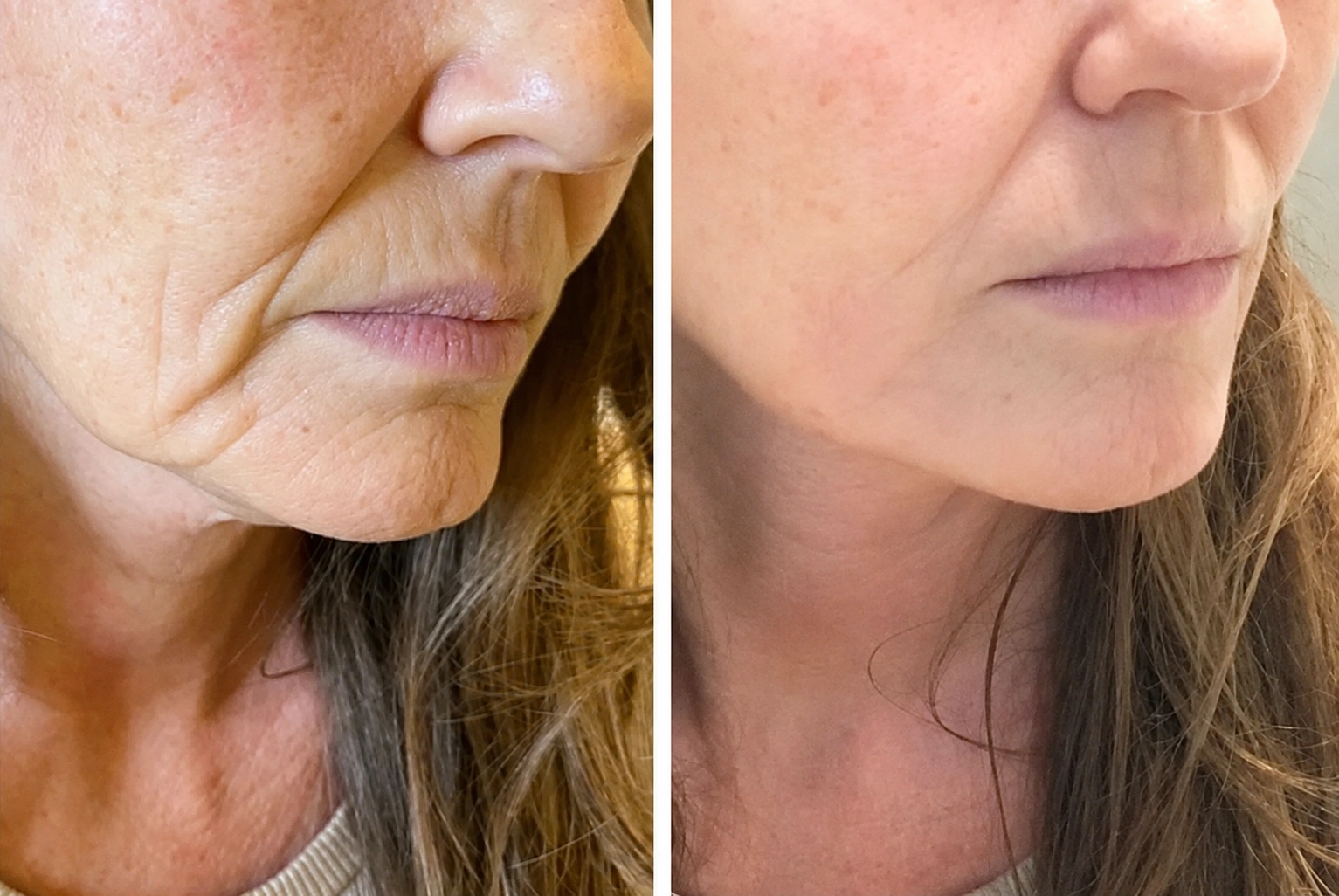
Who May Be Suitable for Morpheus8?
Morpheus8 may be considered for adults with concerns that can reasonably be addressed through RF microneedling and collagen remodelling.
Examples can include:
- Uneven or rough skin texture
- Selected atrophic acne scars
- Mild to moderate reduction in skin firmness
- Early lower-face or jawline laxity
- Fine lines associated with skin ageing
- Crepey or texturally altered skin in selected areas
- Patients seeking gradual improvement rather than surgical correction
The important distinction is that these concerns can have different causes. A patient with a softer jawline because of skin laxity may have different treatment requirements from somebody whose lower-face appearance is predominantly caused by facial fat, skeletal structure, or volume loss.
Clinical Note from Dr Nyla Raja
We assess the tissue responsible for the concern before recommending a treatment. Morpheus8 can be valuable when skin texture and firmness are important components, but using RF microneedling for a problem caused predominantly by volume loss or significant excess skin is unlikely to be the most appropriate approach.
Is Morpheus8 Suitable for Skin Ageing and Reduced Firmness?
Morpheus8 may be appropriate where the ageing changes are primarily related to skin quality, texture, and mild to moderate laxity.
Ageing affects several facial tissues simultaneously. Changes can occur in the skin, superficial and deep fat compartments, ligaments, muscle, and underlying bone. Treating the skin alone will therefore not address every component of facial ageing.
Morpheus8 may be considered where a patient wishes to improve:
- Skin firmness
- Fine textural changes
- Early laxity
- Crepey skin
- Some fine lines
It is less likely to provide the desired result when the principal issue is substantial facial volume loss, advanced jowling, or significant redundant skin.
Where reduced firmness is concentrated around the jawline or neck, the assessment should also consider localised fat, facial volume, platysmal activity, and the degree of true skin laxity.
Is Morpheus8 Suitable for Acne Scarring and Uneven Skin Texture?
RF microneedling can be considered for selected acne scars and textural irregularity, particularly where collagen remodelling is an appropriate treatment objective.
However, “acne scarring” is not one uniform condition.
Scars may include:
- Rolling scars
- Boxcar scars
- Ice-pick scars
- Mixed scar patterns
- Post-inflammatory colour change without true structural scarring
Different scar types often respond differently to treatment. Deeper tethered scars, narrow ice-pick scars, and pigmentation may require different or combined approaches rather than repeated RF microneedling alone.
Patients with active inflammatory acne should usually have the underlying acne assessed and brought under appropriate control before treatment aimed primarily at established scarring.
Our broader guidance on microneedling explains how controlled needling can be used as part of a skin-remodelling treatment plan.
Why Do Treatment Goals Matter?
A patient can be medically suitable for Morpheus8 while still being unsuitable for it as a way of achieving a particular goal.
This distinction is important.
A person seeking moderate improvement in texture and firmness may have realistic expectations from a non-surgical treatment. A person expecting Morpheus8 to reproduce the effect of a surgical facelift is unlikely to have the same experience. If you are considering treatment, our guide to Morpheus8 results explains when changes typically become visible, how long they may last, and how many sessions may be recommended.
Consultation should establish:
- The specific concern being treated
- Which tissue is contributing to it
- The degree of improvement being sought
- Whether a course of treatment may be required
- Likely downtime
- Whether a different or combined treatment would better match the objective
Non-surgical treatment should be selected according to the problem rather than because a particular technology is currently popular.
How Does Medical History Affect Morpheus8 Suitability?
A complete medical history is important before any energy-based or microneedling procedure.
Relevant factors can include:
- Current medical conditions
- Medications and supplements
- Previous aesthetic procedures
- Previous surgery in the treatment area
- History of problematic wound healing
- Tendency to develop abnormal or raised scars
- Bleeding or clotting problems
- Implanted medical devices where relevant
- Pregnancy or breastfeeding
- Previous reactions to aesthetic treatment
- Recent or current prescription skin treatment
These factors do not all produce the same decision. Some may mean treatment should be modified or postponed, while others may make a different procedure preferable.
Recent isotretinoin use, for example, should be discussed specifically rather than relying on a blanket rule. The decision should take account of the proposed procedure, skin condition, current treatment, and individual healing considerations.
The NHS guidance before having a cosmetic procedure also advises patients to discuss their medical history, medicines, expected results, and potential risks before proceeding.
When Should Morpheus8 Be Delayed Because of an Active Skin Problem?
Treatment should not simply proceed through an unresolved skin problem because the patient has already booked an appointment.
Clinical assessment may lead to postponement where there is:
- An active skin infection
- Inflamed or broken skin in the proposed treatment area
- Active inflammatory acne across the treatment field
- An active herpes simplex outbreak
- A significant flare of eczema, dermatitis, or another inflammatory skin condition
- An unexplained rash or lesion requiring assessment
- Incomplete healing from a recent procedure
The underlying problem should be appropriately assessed before an elective RF microneedling treatment is undertaken.
Where the main concern is a medical skin condition rather than cosmetic skin ageing, a dermatological assessment may be more appropriate than proceeding directly with an aesthetic treatment.
Can Morpheus8 Be Used on Different Skin Types?
Radiofrequency energy does not depend on targeting pigment in the same way as many light- and laser-based technologies. This can make RF microneedling an option across a broad range of skin types when used appropriately.
However, this does not mean pigmentary risk is absent.
Inflammation can contribute to post-inflammatory hyperpigmentation in susceptible skin, particularly if treatment parameters, aftercare, or patient selection are inappropriate.
A consultation should therefore consider:
- Skin type
- Previous pigmentation after inflammation or procedures
- Recent sun exposure
- Existing pigmentation disorders
- Current skincare
- Planned treatment intensity
Treatment settings should be individualised rather than applying the same protocol to every skin type. Patients considering treatment should also understand the expected recovery process and potential risks. Our Morpheus8 safety, side effects, and aftercare guide explains what to expect following treatment, including redness, swelling, pigmentation considerations, downtime, and aftercare.
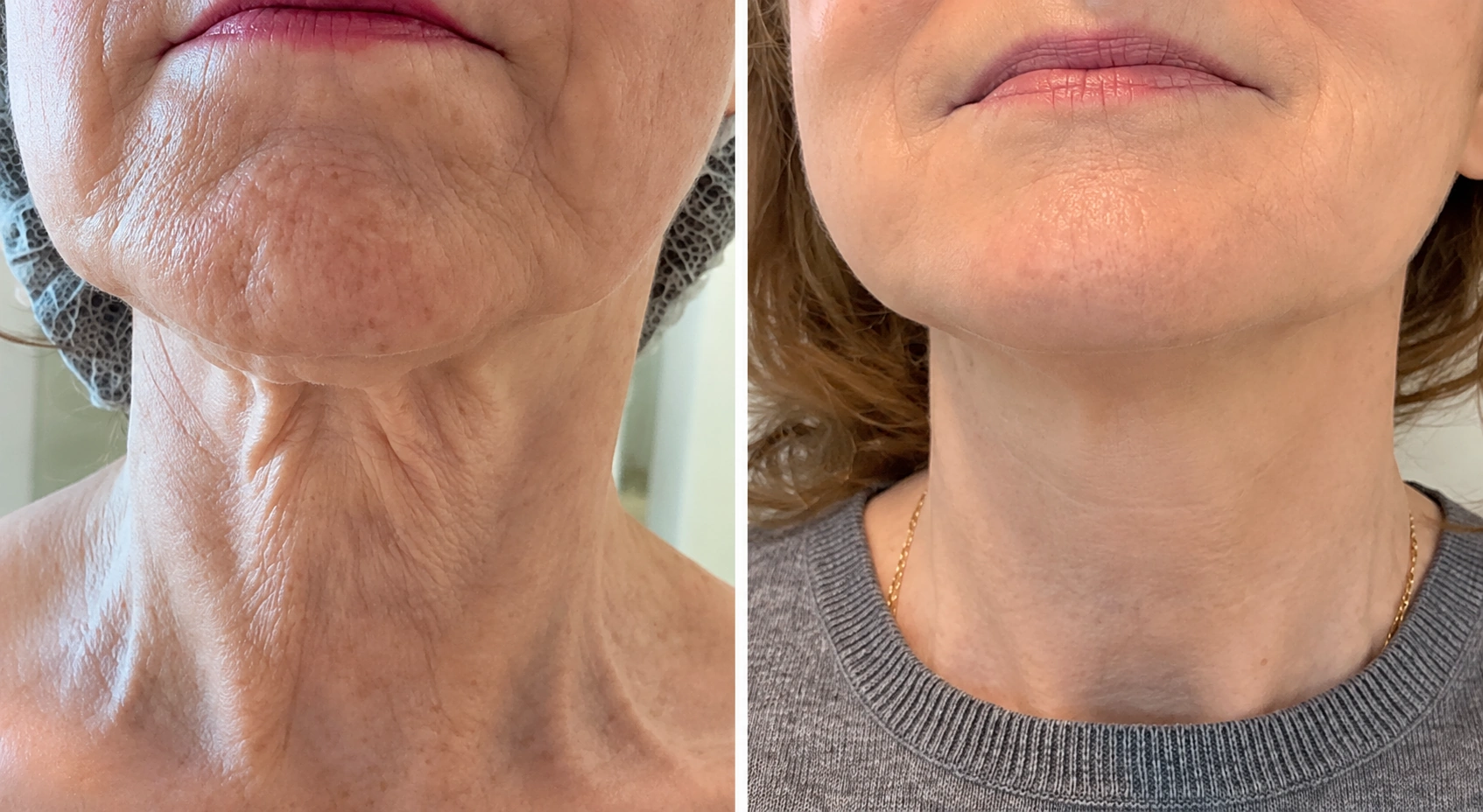
When Might Another Treatment Be Better Than Morpheus8?
Morpheus8 is one treatment within a much broader range of non-surgical options. Another modality may make more sense when the dominant concern is not one that RF microneedling addresses particularly well.
When Skin Laxity Is the Main Concern
If skin laxity is more important than textural change, an ultrasound-based treatment may sometimes be considered instead.
Sofwave and Ultherapy use different forms of ultrasound energy and have different treatment characteristics from RF microneedling.
The most appropriate option depends on tissue depth, degree of laxity, anatomical area, and the intended result.
When Facial Volume Loss Is the Main Problem
Morpheus8 does not restore lost structural volume.
Where ageing is predominantly associated with flattening of the cheeks, reduced projection, or loss of structural support, carefully planned dermal fillers or another volume-restoration strategy may be more relevant.
Skin tightening and volume restoration solve different anatomical problems.
When Dynamic Wrinkles Are the Main Concern
Lines caused predominantly by repeated muscle contraction, such as selected forehead lines, frown lines, or crow’s feet, may be more directly addressed with anti-wrinkle injections where clinically appropriate.
Morpheus8 does not work by reducing muscle activity.
When Pigmentation Is the Main Concern
Brown spots, melasma, post-inflammatory pigmentation, and uneven tone require assessment of the underlying pigment problem.
Depending on the diagnosis, medical-grade skincare, chemical peels, or selected light- or laser-based procedures may be more appropriate than RF microneedling alone.
When Skin Hydration and Superficial Skin Quality Are the Priority
A patient whose main concern is dehydration, fine crepiness, or general skin quality without significant texture change or laxity may not need an energy-based procedure.
Options such as Profhilo, skin boosters, medical-grade skincare, or selected facial treatments may sometimes provide a more proportionate approach.
When There Is Significant Excess Skin
Non-surgical skin tightening has limits.
Where there is marked redundant skin, advanced laxity, or a patient is seeking substantial tissue repositioning, repeated non-surgical treatment may not provide the degree of change required.
In these circumstances, a surgical opinion may be more appropriate than continuing to escalate non-surgical treatment.
Morpheus8 vs Ultherapy vs Sofwave
Morpheus8, Ultherapy, and Sofwave are sometimes grouped together because all may be discussed in relation to skin firmness. They are not equivalent technologies.
Morpheus8 combines microneedling with radiofrequency energy and can be particularly relevant where texture and skin remodelling are important treatment goals.
Ultherapy uses microfocused ultrasound with real-time imaging and is generally considered where deeper ultrasound-based tissue treatment is appropriate.
Sofwave uses controlled ultrasound energy delivered within the dermis and may be considered for selected skin-tightening indications.
Our detailed guide to Morpheus8 vs Ultherapy vs Sofwave explains the clinical differences in greater detail.
Choosing between them should therefore start with anatomy and treatment goals rather than deciding which machine is “best” in isolation.
Clinical Note from Dr Nyla Raja
Good treatment planning is often about recognising when not to use a particular technology. If the main concern is volume loss, muscle activity, pigmentation, or significant excess skin, escalating RF microneedling settings or adding more sessions does not correct the underlying problem.
What Should Be Assessed Before Morpheus8?
A Morpheus8 consultation should establish both medical suitability and treatment suitability.
Assessment may include:
- The patient’s primary concern
- Skin texture and thickness
- Degree and location of laxity
- Acne scar type where relevant
- Facial volume and fat distribution
- Skin type and pigmentation history
- Current and previous skin conditions
- Medical history and medication
- Previous injectables, lasers, energy-based treatments, or surgery
- Expected downtime
- Realistic treatment outcomes
- Whether Morpheus8 or another modality is more appropriate
The NHS guidance on choosing a cosmetic practitioner recommends considering practitioner qualifications, training, experience, insurance, and aftercare arrangements before undergoing a cosmetic procedure.
At Dr Nyla Medispa, Morpheus8 is provided within a doctor-led, medically regulated clinic, with treatment plans based on individual assessment rather than a fixed protocol for every patient.

Book in a Free Consultation With Our Expert Team
- Award-winning, doctor-led aesthetic clinics
- Locations in London, Cheshire, and Liverpool
- Over 50 non-surgical treatments available
- Free consultation with a personalised plan
Morpheus8 Suitability FAQs
What age is best for Morpheus8?
There is no single ideal age. Suitability depends more on the condition being treated, degree of laxity, skin quality, medical history, and treatment goal than chronological age alone.
Is Morpheus8 good for loose skin?
It may improve mild to moderate loss of firmness in appropriately selected patients. Significant excess skin is less likely to respond sufficiently to a non-surgical procedure.
Is Morpheus8 suitable for acne scars?
It can be considered for selected atrophic acne scars, but scar type matters. Some scars respond better to other or combined procedures, and active inflammatory acne should usually be addressed before scar-remodelling treatment.
Can Morpheus8 treat pigmentation?
Texture improvement and pigment treatment are different objectives. Where pigmentation is the primary concern, diagnosis and treatment should be directed at the type and cause of pigmentation rather than assuming RF microneedling is the most suitable option.
Can Morpheus8 replace dermal filler?
No. Morpheus8 is intended to remodel treated tissue; it does not replace lost facial volume in the way a carefully selected filler can.
Is Morpheus8 better than Ultherapy?
Neither treatment is universally better. They use different technologies and may be selected for different tissue concerns. Morpheus8 may be particularly relevant where texture and RF microneedling are appropriate, while Ultherapy may be considered where ultrasound-based treatment is better suited to the anatomy and goal.
Is Morpheus8 suitable if I have active acne?
Active inflammatory acne within the proposed treatment field may be a reason to postpone treatment. The acne itself should be appropriately assessed before treatment aimed at established scarring.
Can Morpheus8 be used on darker skin tones?
RF microneedling can be considered across a broad range of skin types, but individual assessment remains important because inflammation can still cause pigmentary change in susceptible patients.
How many Morpheus8 treatments will I need?
The number varies according to the treatment area, concern, treatment intensity, and response. Some patients may undergo a course rather than one isolated session, but the number should be determined individually rather than prescribed automatically.
Who should assess me before Morpheus8?
Assessment should be carried out within an appropriately governed clinical setting by a practitioner able to evaluate medical history, skin condition, anatomy, treatment alternatives, risks, and realistic outcomes.
Is Morpheus8 Right for You?
Morpheus8 can be an appropriate option for selected patients seeking improvement in skin texture, acne scarring, early laxity, and reduced firmness. Its usefulness depends on whether RF microneedling addresses the tissue responsible for the concern.
Medical history, active skin problems, scar type, skin characteristics, previous procedures, treatment goals, and expected degree of improvement should all be considered before treatment.
Equally important is recognising when another approach is more appropriate. Volume loss may require structural support, dynamic wrinkles may respond better to anti-wrinkle treatment, pigmentation may need a pigment-specific strategy, and significant excess skin may require surgical assessment.
If you are considering Morpheus8, you can book a free consultation at Dr Nyla Medispa in Mayfair London, Alderley Edge Cheshire, or Crosby Liverpool to discuss your concerns, medical suitability, and the most appropriate treatment options.
Need Guidance in Selecting the Most Appropriate Treatment?
Related Treatments

Morpheus8 RF Microneedling

INTRAcel RF Microneedling
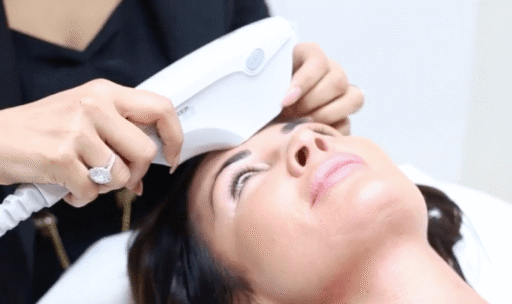
Ultherapy Skin Tightening

Sofwave Skin Tightening
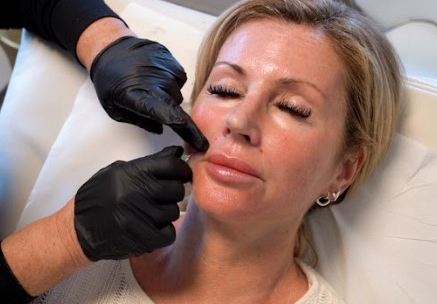
Profhilo Skin Remodelling

About the Author
Considering treatment? Book a free consultation at our clinics in Mayfair London, Alderley Edge Cheshire, or Crosby Liverpool, or call 0800 009 6661.