
Morpheus8 Safety, Side Effects, Downtime, and Aftercare

Clinical guidance from Dr Nyla Raja MBChB (Hons), MRCGP (Dist), DFFP, DPDermatology - GMC No. 6057913
Morpheus8 Safety, Side Effects, Downtime, and Aftercare: At a Glance
Morpheus8 is a fractional radiofrequency microneedling treatment. Fine needles enter the skin while controlled radiofrequency energy is delivered at selected depths, creating a controlled treatment response intended to support tissue remodelling. It is not a laser treatment.
Expected short-term effects after Morpheus8 treatment commonly include redness, swelling, warmth, sensitivity, dryness, and small pinpoint or grid-like marks. Mild crusting or a rough, sandpaper-like texture can also develop as the skin recovers. These effects usually improve progressively over several days, although downtime varies according to treatment depth, energy settings, anatomical area, and individual healing response.
- Common early effects: redness, swelling, warmth, tenderness, and sensitivity
- Possible surface changes: pinpoint marks, dryness, roughness, and light crusting
- Typical visible downtime: often several days, but potentially longer after more intensive treatment
- Make-up: generally avoided until the skin surface has settled, according to practitioner instructions
- Exercise and heat: commonly restricted during the early recovery period
- Skincare: gentle cleansing and simple moisturising are usually preferred initially
- Sun protection: particularly important while the skin is recovering
- Contact your practitioner: if pain, swelling, redness, blistering, discharge, pigmentation, numbness, or other symptoms are severe, worsening, or unexpected
Your treating practitioner’s aftercare instructions take priority because Morpheus8 settings and treatment depth are individualised. Recovery after a light treatment may be different from recovery after a deeper or higher-energy protocol.
Is Morpheus8 Safe?
Morpheus8 combines microneedling with radiofrequency energy. The needles create controlled channels through the skin while RF energy produces thermal effects within selected tissue depths. Our guide to how Morpheus8 works explains this process, treatment depths, and collagen remodelling in more detail.
Clinical research on radiofrequency microneedling safety and efficacy supports its use for indications including skin rejuvenation, wrinkles, and acne scarring, including in patients with darker skin types. However, no energy-based procedure should be described as risk-free.
Safety depends on several factors:
- Appropriate patient selection
- Knowledge of facial and body anatomy
- Correct treatment depth
- Appropriate energy settings
- Device and handpiece use
- The anatomical area being treated
- Previous procedures and medical history
- Skin type and pigmentation history
- Practitioner training and experience
- Appropriate aftercare and access to clinical review
The most common effects are temporary inflammatory changes associated with controlled needling and heat. More significant complications are much less typical but require prompt assessment if they occur.
Clinical Note from Dr Nyla Raja
Morpheus8 settings should not be standardised simply because two patients are treating the same area. Skin thickness, facial volume, treatment objective, anatomy, and previous procedures all need to be considered before treatment depth and energy are selected.
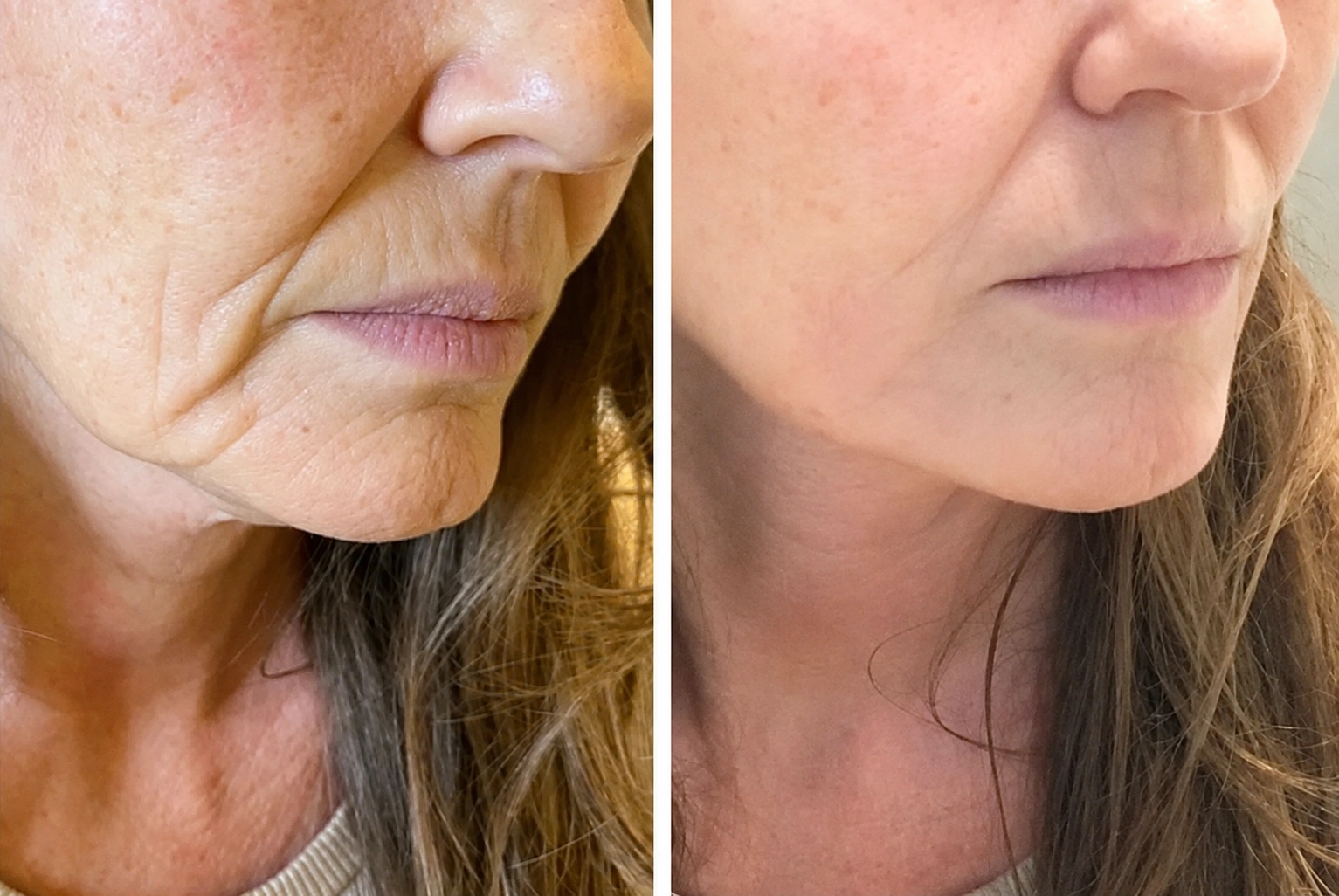
What Are the Most Common Morpheus8 Side Effects?
Expected side effects generally reflect the controlled inflammatory response produced by microneedling and radiofrequency energy.
These can include:
- Redness
- Mild to moderate swelling
- Warmth or a sunburn-like sensation
- Tenderness or sensitivity
- Temporary tightness
- Pinpoint bleeding immediately after treatment
- Tiny needle or grid marks
- Dryness
- Rough skin texture
- Fine crusting or small scabs
- Occasional bruising
- Temporary itching during healing
These changes should generally become less noticeable rather than progressively more severe.
The intensity of the reaction can differ between treatment sessions because treatment depth and energy may change according to the area and treatment objective.
How Much Downtime Is There After Morpheus8?
Morpheus8 is usually associated with several days of visible recovery rather than truly zero downtime.
Redness may be most noticeable immediately after treatment and during the first day. Swelling can become more apparent over the first 24 to 48 hours before settling. Small treatment marks, dryness, or roughness can remain visible after the initial redness has improved.
Many patients therefore allow approximately two to five days for the most obvious temporary effects to settle, but this should not be treated as a guarantee.
Recovery can be longer where:
- Higher energies are used
- Deeper treatment depths are selected
- Several treatment passes are performed
- A larger anatomical area is treated
- The skin is particularly reactive
- Bruising or more pronounced swelling occurs
Patients should consider the possibility of visible redness or marks when scheduling treatment before an important event. Recovery time should also be distinguished from the time it takes for treatment changes to develop. Our Morpheus8 results guide explains when results may become visible and how they can develop over time.
How Long Do Redness and Swelling Last?
Redness and swelling are among the most expected short-term effects of Morpheus8.
Redness commonly resembles mild to moderate sunburn and should progressively reduce. Swelling may be subtle or more noticeable around areas where the tissue is naturally softer.
A cool compress may sometimes be recommended for comfort, but ice or frozen packs should not be applied directly to recently treated skin unless specifically instructed by the clinic.
Marked swelling, increasing pain, or redness that is spreading rather than improving should be discussed with the treating practitioner.
Are Pinpoint Marks, Crusting, and Rough Skin Normal?
Small pinpoint marks can appear where the microneedles entered the skin. Fine crusting, dryness, or a rough texture may subsequently develop as the superficial skin barrier recovers.
A prospective study of fractional microneedle radiofrequency found that measures of skin-barrier disruption increased during the first few days after treatment before returning towards baseline during recovery. Clinical research on fractional radiofrequency microneedling and skin-barrier recovery supports the importance of allowing this early healing phase to proceed without unnecessary irritation.
Do not pick, peel, scratch, or exfoliate small crusts or treatment marks. Premature removal can prolong inflammation and may increase the likelihood of pigmentary change or scarring.
Can Morpheus8 Cause Hyperpigmentation?
Post-inflammatory hyperpigmentation can occur after procedures that create inflammation within the skin, including radiofrequency microneedling.
RF microneedling is often considered for a broad range of skin tones because the energy is delivered through electrodes within the skin rather than relying on epidermal absorption of laser light. However, this does not remove the possibility of pigmentary complications.
A review of radiofrequency and RF microneedling in Fitzpatrick skin types III to VI found a generally low reported risk of scarring and hyperpigmentation, although transient post-inflammatory pigmentation was documented in some studies. Evidence on radiofrequency microneedling in skin of colour therefore supports careful treatment planning rather than assuming darker skin is free from pigment-related risk.
Relevant factors include:
- Fitzpatrick skin type
- History of post-inflammatory hyperpigmentation
- Melasma or other pigmentary conditions
- Recent tanning or significant sun exposure
- Treatment energy and depth
- Inflammation during recovery
- Picking or rubbing the treated skin
- Inadequate sun protection
Patients with a history of pigmentation should discuss this before treatment so the practitioner can assess suitability and plan treatment conservatively where appropriate.
Morpheus8 Aftercare: What Should You Do?
Good Morpheus8 aftercare focuses on protecting the recovering skin barrier and avoiding unnecessary inflammation.
Your clinic should provide treatment-specific instructions. In general, early aftercare commonly includes:
- Keeping the treated area clean
- Using a gentle cleanser rather than scrubs or exfoliants
- Applying a simple moisturiser recommended by the practitioner
- Avoiding picking, rubbing, or scratching
- Temporarily avoiding potentially irritating active skincare
- Delaying make-up until the surface has sufficiently recovered
- Avoiding strenuous exercise and excessive heat initially
- Using appropriate sun protection
- Contacting the clinic if healing is not progressing as expected
More products do not necessarily produce better healing. Immediately after treatment, a simple routine is usually preferable to layering several active ingredients onto sensitised skin.
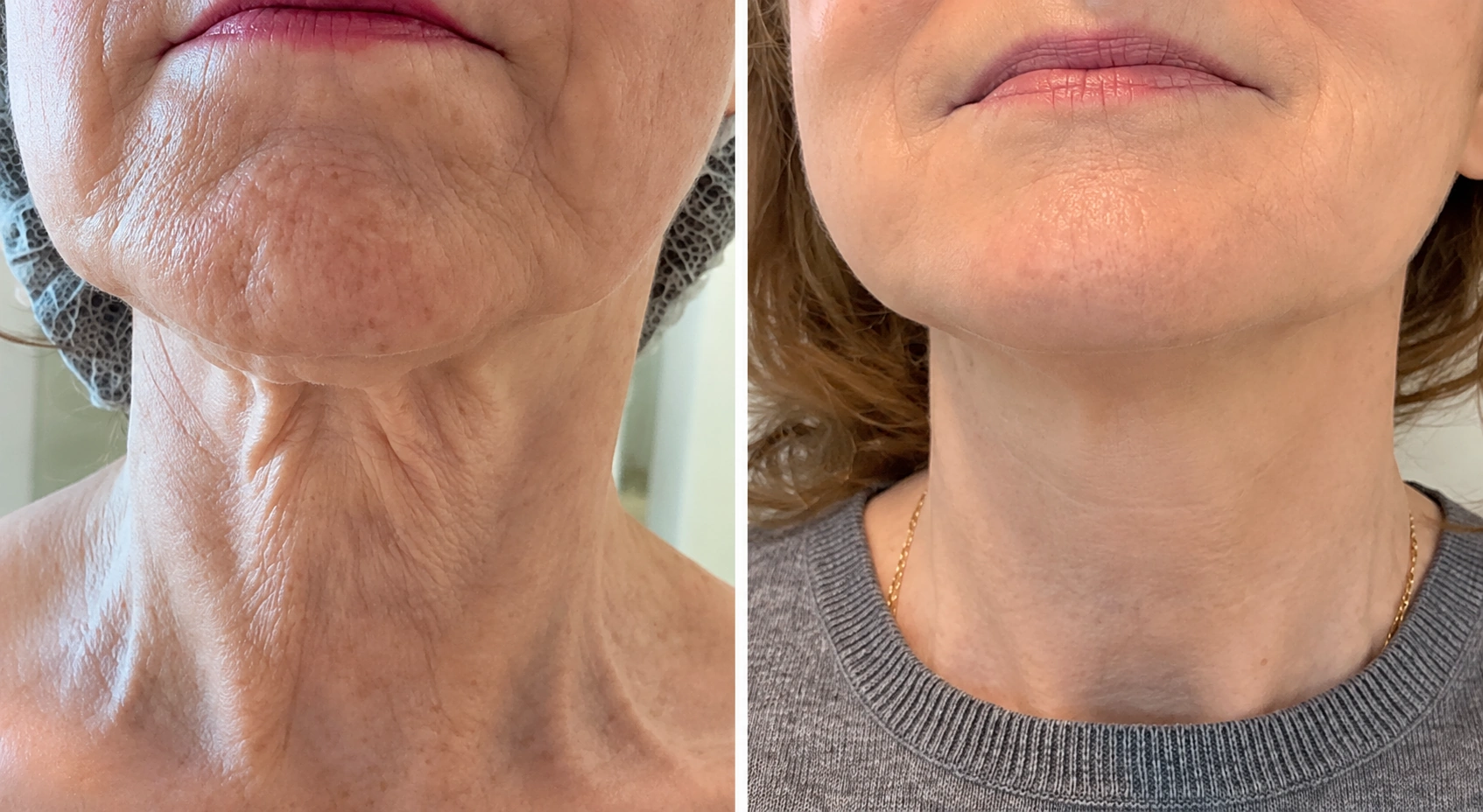
When Can You Wash Your Face and Restart Skincare?
The treated skin should be handled gently.
Follow the cleansing instructions given by your practitioner, particularly during the first day. When cleansing is permitted, use lukewarm rather than very hot water and avoid vigorous rubbing, cleansing brushes, facial devices, or exfoliating cloths.
Products that may be temporarily paused include:
- Retinoids
- Exfoliating acids such as glycolic or salicylic acid
- Strong vitamin C formulations
- Benzoyl peroxide
- Physical facial scrubs
- Other potentially irritating active products
The appropriate time to restart these products varies according to the treatment intensity and how quickly the skin recovers. They should generally not be restarted while the skin remains raw, markedly red, crusted, or irritated.
If you use prescription dermatological products, ask your treating clinician when to resume them rather than stopping or restarting them independently.
When Can You Wear Make-Up After Morpheus8?
Make-up is generally avoided immediately after Morpheus8 because the skin barrier has been disrupted by the microneedles.
Many practitioners advise waiting until at least the following day, and longer if there is persistent weeping, crusting, marked redness, or irritation. The exact timing should follow the aftercare protocol provided by the clinic.
When make-up is restarted:
- Use clean brushes or applicators
- Avoid heavily fragranced or irritating products
- Do not scrub the skin during removal
- Stop if application causes significant stinging or irritation
Covering actively irritated skin too early simply for cosmetic reasons is not preferable to allowing appropriate recovery.
When Can You Exercise After Morpheus8?
Strenuous exercise is commonly avoided during the early recovery period because heat, sweating, and increased blood flow can aggravate redness and irritation.
Depending on treatment intensity, practitioners may advise avoiding hard exercise for approximately 24 to 48 hours or until the immediate redness and sensitivity have reduced.
For similar reasons, patients may be advised to temporarily avoid:
- Saunas
- Steam rooms
- Very hot showers
- Hot yoga
- Jacuzzis
- Swimming pools while the skin barrier remains disrupted
Normal activity can usually be resumed progressively as the skin settles.
Why Is Sun Protection Important After Morpheus8?
Recently treated skin is more vulnerable to irritation, and ultraviolet exposure can contribute to post-inflammatory pigmentation.
Direct sun exposure and intentional tanning should therefore be avoided during recovery.
Once the skin can comfortably tolerate sunscreen, use a broad-spectrum, high-SPF product as advised by your practitioner, alongside practical measures such as shade and a hat.
Sun protection is particularly important for patients with a history of melasma or post-inflammatory hyperpigmentation.
What Are the Less Common but More Serious Risks of RF Microneedling?
Significant complications are not part of normal Morpheus8 downtime.
In its October 2025 safety communication, the US FDA reported serious complications associated with certain uses of RF microneedling devices, including:
- Burns
- Scarring
- Unwanted fat loss
- Nerve damage
- Disfigurement
- Injuries requiring medical or surgical treatment
The FDA communication relates to the broader category of RF microneedling devices and does not provide a simple incidence rate for these complications. It does, however, reinforce why RF microneedling should be approached as a clinical procedure rather than a routine facial.
Other possible complications can include infection, persistent inflammation, prolonged erythema, pigmentary change, and abnormal scarring.
Appropriate treatment depth is particularly important in areas where underlying facial fat and nerves need to be considered.
When Should You Contact Your Practitioner After Morpheus8?
Expected redness and tenderness should generally become less pronounced as healing progresses. Contact your treating clinic promptly if symptoms are unexpectedly severe, worsening, or significantly different from the aftercare information you were given.
Reasons to seek clinical advice include:
- Increasing rather than improving pain
- Marked or rapidly increasing swelling
- Blistering or a suspected burn
- Persistent weeping or discharge
- Spreading redness or increasing heat
- Symptoms suggestive of infection
- Fever or feeling systemically unwell
- New numbness, weakness, or altered facial movement
- Skin colour changes that appear severe or continue to worsen
- Persistent darkening or lightening of the skin
- Indentation, unexpected loss of volume, or contour change
- Signs of abnormal scarring
- Any reaction that causes concern
If you have already undergone treatment at Dr Nyla Medispa and are concerned about your recovery, contact the clinic rather than waiting for a routine review.
Severe breathing difficulty, collapse, or rapidly developing swelling affecting the mouth or airway requires emergency medical attention; call 999.
How Can Morpheus8 Risks Be Reduced?
Risk cannot be eliminated completely, but appropriate assessment and treatment planning are important. Our Morpheus8 suitability guide explains the factors that should be considered when determining whether treatment is appropriate for you.
Before proceeding, patients should understand:
- Which device is being used
- Who will perform the treatment
- The practitioner’s training and experience with RF microneedling
- Why Morpheus8 is appropriate for the concern being treated
- What treatment depth and approach are planned
- Expected downtime
- Known side effects and important complications
- What aftercare is required
- How the clinic manages concerns after treatment
The NHS guidance on choosing a cosmetic practitioner recommends checking training, qualifications, experience, insurance, and aftercare arrangements when considering a cosmetic procedure.
Patients should also disclose relevant medical conditions, medications, previous energy-based procedures, recent injectable treatments, active skin conditions, tendency to pigment or scar, and other information requested during consultation.
Morpheus8 at Dr Nyla Medispa
At Dr Nyla Medispa, Morpheus8 is provided within a doctor-led, medically regulated clinic. Treatment is planned according to individual anatomy, skin quality, treatment area, suitability, and clinical objectives rather than using identical settings for every patient.
Further treatment information is available for Morpheus8 in Mayfair London, Morpheus8 in Alderley Edge Cheshire, and Morpheus8 in Liverpool.
Morpheus8 should also be distinguished from conventional microneedling. Both involve needles entering the skin, but Morpheus8 additionally delivers radiofrequency energy and therefore has different treatment parameters, effects, and risks.
A free consultation allows suitability, treatment expectations, pigmentation risk, downtime, and the recommended treatment plan to be discussed before proceeding.

Book in a Free Consultation With Our Expert Team
- Award-winning, doctor-led aesthetic clinics
- Locations in London, Cheshire, and Liverpool
- Over 50 non-surgical treatments available
- Free consultation with a personalised plan
Morpheus8 Safety, Downtime, and Aftercare FAQs
How long is your face red after Morpheus8?
Redness is commonly most apparent during the first day and should then gradually settle. Some patients remain visibly pink for several days, particularly after more intensive treatment.
Is swelling normal after Morpheus8?
Yes. Mild to moderate swelling can occur and may be more noticeable during the first 24 to 48 hours. Significant, worsening, painful, or unusually persistent swelling should be reviewed by the treating practitioner.
Are tiny dots normal after Morpheus8?
Small pinpoint or grid-like marks can occur at the needle entry sites. They usually fade as the skin recovers. Do not pick or scrub them away.
Does Morpheus8 cause scabbing?
Fine crusting or very small scab-like points can occur after treatment. Heavy crusting, blistering, or areas that appear burnt are not routine expected downtime and should be assessed.
Can I wash my face after Morpheus8?
Yes, but the timing and products used should follow your clinic’s aftercare instructions. Cleansing should be gentle, and scrubs, exfoliating devices, and hot water should be avoided during early recovery.
When can I wear make-up after Morpheus8?
Make-up is usually avoided immediately after treatment. Many protocols allow it from the following day once the skin surface is intact, although longer may be appropriate if redness, crusting, or irritation remains.
When can I exercise after Morpheus8?
Strenuous exercise is commonly avoided for approximately 24 to 48 hours or until the immediate inflammatory response has reduced. Follow the instructions provided for your individual treatment.
Can I use retinol after Morpheus8?
Retinoids and other potentially irritating active skincare are generally paused while the skin is recovering. Restart them according to practitioner advice once redness, sensitivity, and surface irritation have settled.
Can Morpheus8 cause pigmentation?
Post-inflammatory hyperpigmentation is possible. Risk assessment is particularly important for people with a previous history of pigmentation, melasma, or marked inflammatory responses. Careful settings and sun protection are important.
Can Morpheus8 cause fat loss?
Unwanted fat loss has been reported as a serious complication with RF microneedling procedures. It is not considered routine downtime. Appropriate device settings, depth selection, anatomical knowledge, and treatment planning are therefore important.
When should I be worried after Morpheus8?
Contact your practitioner if you develop worsening pain, substantial swelling, blistering, spreading redness, discharge, persistent pigmentation, abnormal scarring, unexpected contour change, numbness, weakness, or any reaction that appears significantly more severe than the recovery you were advised to expect.
Morpheus8 Safety and Aftercare: Appropriate Treatment Planning Matters
Temporary redness, swelling, sensitivity, pinpoint marks, dryness, and light crusting can all occur after Morpheus8 and usually settle progressively during the early healing period.
Aftercare should focus on gentle skincare, avoiding irritation and excessive heat, delaying make-up until the skin surface has recovered, appropriate sun protection, and following the specific instructions provided by the treating clinic.
More significant problems such as burns, infection, scarring, unwanted fat loss, nerve symptoms, or severe and worsening inflammation are not normal recovery and warrant prompt clinical review.
Careful patient selection, practitioner experience, appropriate treatment depth and settings, and accessible aftercare are therefore central to Morpheus8 safety.
If you are considering Morpheus8 treatment, you can book a free consultation at Dr Nyla Medispa in Mayfair London, Alderley Edge Cheshire, or Crosby Liverpool to discuss suitability, expected downtime, potential risks, and an individual treatment plan.
Need Guidance in Selecting the Most Appropriate Treatment?
Related Treatments

Morpheus8 RF Microneedling

INTRAcel RF Microneedling
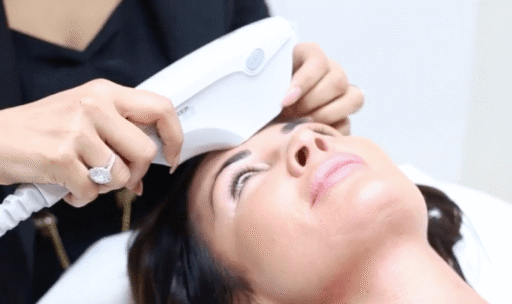
Ultherapy Skin Tightening

Sofwave Skin Tightening
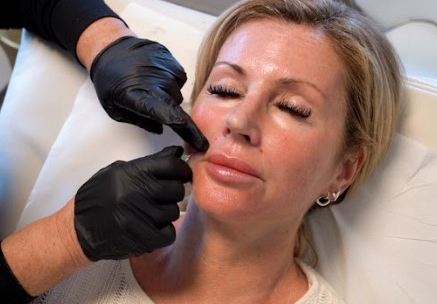
Profhilo Skin Remodelling

About the Author
Considering treatment? Book a free consultation at our clinics in Mayfair London, Alderley Edge Cheshire, or Crosby Liverpool, or call 0800 009 6661.