
Mesotherapy vs Polynucleotides: Which Is Better for Skin Hydration, Texture, or Repair?
Clinical guidance from Dr Nyla Raja MBChB (Hons), MRCGP (Dist), DFFP, DPDermatology - GMC No. 6057913
Neither mesotherapy nor polynucleotides are universally better. Mesotherapy may be better aligned with a wish for refreshed, hydrated, more radiant-looking skin through a tailored injectable formulation. Polynucleotides may be more appropriate where the priority is gradual improvement in skin quality, elasticity, fine lines, and selected delicate areas without adding volume.
The important distinction is that mesotherapy is a method of delivering small amounts of a tailored blend of ingredients into the skin, whereas polynucleotides are a specific type of injectable used in regenerative aesthetic treatments. The right choice depends on what is contributing to the concern, the area being treated, your skin condition, medical history, and the level of improvement that is realistic.
How mesotherapy and polynucleotides differ
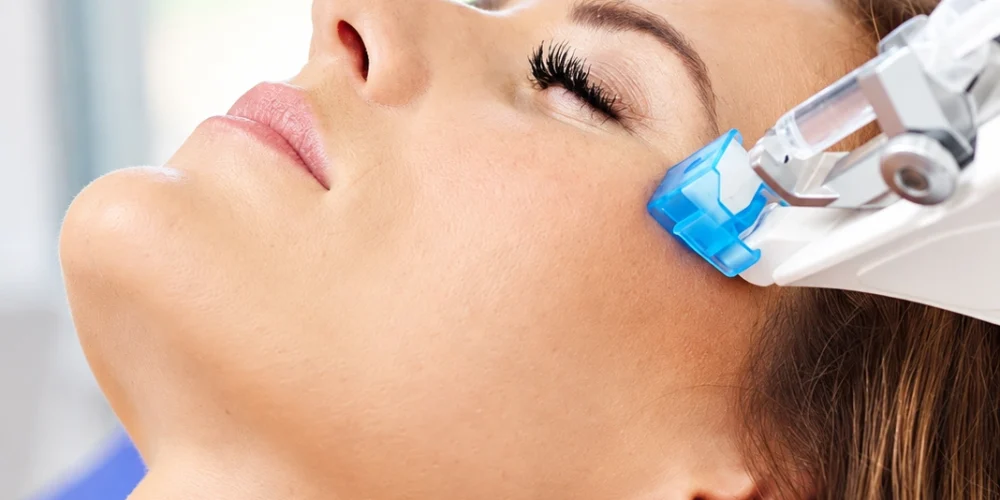
Mesotherapy uses a series of microinjections to deliver ingredients that may include hyaluronic acid, vitamins, amino acids, and other compounds into the skin. Formulations vary, which can make treatment adaptable for concerns including dehydration, dullness, fine lines, and uneven-looking tone.
Polynucleotides are purified DNA fragments used in aesthetic medicine to support skin-quality improvement. They are not designed to replace lost volume or change facial contours. Instead, treatment is intended to support gradual improvements in hydration, texture, firmness, and skin resilience.
Both treatments are injectable approaches to skin quality, but they do not have the same composition, mechanism, or most suitable indications. This means that comparing them simply by asking which one is “better” can be misleading.
| Consideration | Mesotherapy | Polynucleotides |
|---|---|---|
| What it is | Microinjection treatment using a tailored blend of ingredients | Injectable treatment using purified polynucleotides |
| May suit | Dehydrated, dull, tired-looking skin, fine lines, and radiance goals | Fine lines, crepey texture, reduced elasticity, and selected delicate areas |
| Main aim | Hydration, skin refreshment, and overall skin quality | Gradual support for skin quality, firmness, and resilience |
| Results | Develop progressively, often as part of a course | Develop gradually over weeks; timing varies between individuals |
| Volume or contour change | Not intended to create facial volume | Not intended to create facial volume |
When mesotherapy may be the better fit
Mesotherapy can be a considered option when the main concern is superficial skin quality: skin that looks tired, lacks radiance, feels dehydrated, or has early fine lines and uneven texture. Its tailored nature can be useful where the treatment aim is hydration and a fresher overall appearance rather than structural facial change.
It is important to be specific about the product being used. “Mesotherapy” does not describe one standard formulation, and outcomes can differ according to the ingredients, injection technique, treatment area, and course prescribed. Research into hyaluronic acid-based mesotherapy and skin boosters indicates potential improvements in hydration, elasticity, and fine wrinkles, but findings from one product or protocol cannot be assumed to apply to every mesotherapy treatment.
A multicentre randomised study of one sodium hyaluronate composite delivered by mesotherapy found improvements in hydration and elasticity after a three-treatment course. That is encouraging evidence for that specific formulation, rather than proof that every injectable cocktail will deliver the same result.
When polynucleotides may be the better fit
Polynucleotides may be better suited to patients whose concern is less about an immediate “glow” and more about supporting gradual skin-quality change. They are often considered for fine, crepey, less elastic, or dehydrated skin, including carefully selected under-eye concerns where adding volume may not be appropriate.
Results should remain natural-looking and develop over time. Some patients notice early changes in hydration and texture within the first few weeks, while improvements in skin quality may continue to become more apparent over the following months. A course of treatment is commonly advised, with any maintenance plan tailored to the individual.
The evidence for polynucleotides in aesthetic medicine is promising but still developing. A systematic review identified improvements in wrinkles, texture, and elasticity across the studies reviewed, but also found that the available evidence was limited by small study sizes, varying protocols, and differences in outcome measures. This is why expectations should be realistic, and treatment selection should not be based on trend-led claims alone.
Clinical Note from Dr Nyla Raja
At Dr Nyla Medispa, consultations are carried out face to face by an experienced doctor. Assessment considers the concern itself, skin quality, facial anatomy, medical history, and the outcome you hope to achieve before an individual treatment plan is created. For some patients, the most appropriate plan is a staged approach, a different non-surgical treatment, or no injectable treatment at that time.
Can either treatment improve “skin repair”?
“Skin repair” is a broad term, and it is important not to overpromise what an aesthetic injectable can achieve. Polynucleotides are used to support skin-quality improvement, while mesotherapy may support hydration and skin renewal through its chosen formulation. Neither treatment is a substitute for assessment of an active skin condition, significant scarring, persistent inflammation, or a sudden unexplained change in the skin.
If texture change is driven mainly by acne scarring, pronounced photodamage, laxity, pigmentation, or facial volume loss, another treatment may be more direct. The question is not which injectable has the strongest marketing claim, but which approach addresses the main cause of the visible concern.
Safety, recovery, and what to ask before treatment
Both treatments involve injections, so temporary redness, tenderness, swelling, small raised areas, and bruising can occur. These effects often settle within days, although recovery varies by treatment area and individual response. Increasing pain, redness, swelling, or other symptoms that do not settle should be discussed promptly with your treating practitioner.
Before treatment, you should understand the exact product proposed, why it has been selected, the expected treatment course, likely downtime, aftercare, and alternatives. The GMC’s guidance for cosmetic interventions places informed consent, realistic discussion of benefits and risks, and time to decide at the centre of good care. The NHS also advises having a consultation with the person carrying out the procedure and asking about training, experience, aftercare, and what happens if a problem arises.
- Is my priority hydration and radiance, or gradual improvement in texture and resilience?
- What product will be used, and why is it suitable for my concern?
- What improvement is realistic for my skin and the area being treated?
- How many sessions may be needed, and when should results be assessed?
- Would another treatment, a staged plan, or no injectable treatment be more appropriate?
The key point
Mesotherapy may be the better choice for tailored skin hydration, radiance, and early skin-quality concerns. Polynucleotides may be the better choice for gradual improvement in fine lines, texture, elasticity, and selected areas of fragile-looking skin without adding volume. Neither is automatically superior: the better treatment is the one that matches your skin, anatomy, concerns, and realistic goals.
Need Guidance in Selecting the Most Appropriate Treatment?

About the Author
Considering treatment? Book a free consultation at our clinics in Mayfair London, Alderley Edge Cheshire, or Crosby Liverpool, or call 0800 009 6661.