
Is CoolSculpting Actually Worth It? Results, Costs and What to Consider

Clinical guidance from Dr Nyla Raja MBChB (Hons), MRCGP (Dist), DFFP, DPDermatology - GMC No. 6057913
CoolSculpting can be worth it for appropriately selected patients who want a modest, non-surgical reduction in a specific pocket of stubborn fat. However, its value depends on the results you can realistically expect, the total treatment cost, and whether localised fat is actually the main cause of your concern.
CoolSculpting is a branded fat-freezing treatment that uses controlled cooling, known as cryolipolysis, to target selected areas of subcutaneous fat. Results develop gradually over several weeks and months, and some patients require more than one treatment to achieve their desired contour.
It is not a weight-loss treatment and cannot replace surgical fat removal or correct significant loose skin. Whether CoolSculpting is worthwhile therefore depends on your anatomy, treatment goals, the number of applicators required, and the degree of improvement you would consider valuable.
Who Is CoolSculpting Most Worthwhile For?
CoolSculpting is generally most suitable for people who are relatively close to a stable weight but have a persistent, pinchable area of localised fat that has not responded as they would like to diet and exercise.
Common treatment areas include the abdomen, flanks, upper arms, thighs, back, and selected areas beneath the chin.
CoolSculpting may be worth considering if you:
- Want non-surgical body contouring rather than significant weight loss
- Have a clearly defined pocket of subcutaneous fat
- Prefer to avoid surgery, incisions, and surgical recovery
- Have reasonable skin elasticity in the treatment area
- Understand that results develop gradually
- Have realistic expectations about the amount of fat reduction possible
Suitability is not determined by body weight alone. The thickness and distribution of fat, surrounding anatomy, applicator fit, and skin quality all influence whether treatment is appropriate.
Our guide to who is suitable for CoolSculpting explains these considerations and the circumstances in which fat freezing may not be recommended.
How Noticeable Are CoolSculpting Results?
CoolSculpting is designed to produce gradual, localised contour improvement rather than dramatic body transformation.
Clinical studies have reported reductions of approximately 20–25% in the treated fat layer under certain conditions, although individual results vary and this level of reduction cannot be guaranteed.
Importantly, this percentage refers to fat thickness within the treated area, not total body fat or body weight. The visible improvement may therefore appear relatively subtle, particularly where the original fat deposit is small.
Results commonly become noticeable over approximately one to three months, with further changes possible as the treated fat cells are gradually cleared.
Some patients achieve a satisfactory result after one treatment round, while others may require additional treatment depending on the amount of fat present and the desired improvement.
Our detailed guide to CoolSculpting results and treatment timelines explains when changes typically become visible and how much fat reduction may reasonably be expected.
Are CoolSculpting Results Permanent?
CoolSculpting is designed to damage selected fat cells through controlled cooling, after which the body gradually clears them.
Fat cells successfully destroyed and removed do not simply recover as the same intact cells. This means the resulting reduction can be long-lasting.
However, CoolSculpting does not prevent future weight gain. Remaining fat cells can still enlarge, potentially changing the contour achieved after treatment.
Maintaining a relatively stable weight is therefore important for preserving results. Routine maintenance is not automatically necessary, although further treatment may be considered if suitable localised fat remains.
When Might CoolSculpting Not Be Worth It?
CoolSculpting is less likely to represent good value when the treatment is being used to address a concern that is not primarily caused by suitable subcutaneous fat.
For example:
- Significant excess body fat: CoolSculpting cannot provide the degree of volume reduction achievable through liposuction.
- Loose skin: Fat freezing does not remove excess skin or reliably tighten areas with significant laxity.
- Visceral abdominal fat: Fat surrounding internal organs cannot be treated with an external cooling applicator.
- Abdominal muscle separation: Reducing superficial fat will not correct the underlying muscle structure.
- Unsuitable fat deposits: Some areas do not contain enough accessible, pinchable tissue for an applicator to fit appropriately.
Skin quality is particularly important. Reducing underlying fat where elasticity is already poor can sometimes make existing laxity more noticeable.
Our guide to whether CoolSculpting can cause loose skin explains why fat reduction and skin tightening are different treatment objectives.
A thorough assessment should identify whether localised fat is genuinely responsible for the concern before deciding whether treatment is worthwhile.
Clinical Note from Dr Nyla Raja
The value of CoolSculpting depends heavily on patient selection. We first establish whether localised fat is genuinely creating the concern and whether reducing that fat is likely to improve the overall contour without creating imbalance or revealing greater skin laxity.
Is CoolSculpting Worth the Money?
For the right patient, CoolSculpting can represent good value because it offers a non-surgical way to reduce selected areas of stubborn fat without incisions or surgical recovery.
However, the overall cost depends on the number of applicator placements, treatment areas, and whether further sessions are required.
At Dr Nyla Medispa, CoolSculpting starts from £500, with final pricing determined following an individual consultation.
An advertised price for one applicator cycle should not automatically be interpreted as the cost of treating an entire area. Larger regions such as the abdomen, or paired areas such as the flanks and thighs, may require multiple applicator placements.
When comparing treatment costs, consider:
- How many applicator cycles are included
- Whether both sides of a paired area will be treated
- Whether additional treatment sessions may be required
- Whether genuine branded CoolSculpting technology is being used
- The qualifications and experience of the treatment team
- What follow-up and aftercare are included
- The degree of improvement realistically expected
Our guide to CoolSculpting costs in the UK explains typical pricing by applicator, treatment area, and complete treatment plan.
A lower initial price does not necessarily represent better value if inadequate treatment coverage is proposed. Equally, purchasing more cycles than clinically necessary does not guarantee a better outcome.
The most useful comparison is therefore between the total expected cost and the realistic improvement that treatment may provide.
Are There Downsides or Risks to CoolSculpting?
CoolSculpting is non-surgical, but it is not completely risk-free.
Common temporary side effects can include:
- Redness and swelling
- Tenderness or aching
- Bruising
- Tingling or altered sensation
- Temporary numbness
- Firmness or sensitivity in the treated area
These effects generally improve as the tissues recover, although some symptoms can persist for longer.
One important uncommon complication is paradoxical adipose hyperplasia (PAH), in which the treated fatty tissue enlarges rather than reduces. This typically becomes apparent months after treatment and may require surgical correction.
The true incidence remains uncertain, with published studies reporting different estimates. PAH should therefore be discussed as part of informed consent, even though most patients do not experience this complication.
CoolSculpting is also contraindicated in certain cold-related medical conditions, including cryoglobulinaemia, cold agglutinin disease, and paroxysmal cold haemoglobinuria. Other medical conditions, previous surgery, and local anatomical concerns may affect suitability.
Our guide to CoolSculpting safety, side effects, and recovery explains recognised complications, expected recovery, and symptoms that require medical attention.
The NHS guidance before having a cosmetic procedure also recommends considering treatment risks, total costs, practitioner experience, and aftercare before making a decision.
Is CoolSculpting Better Value Than Other Fat-Reduction Treatments?
CoolSculpting is not automatically the most suitable or cost-effective option for every area of localised fat.
For example, Aqualyx fat-dissolving injections may be considered for selected smaller fat deposits where an injectable approach is appropriate.
CoolSculpting may be more practical for larger, accessible pockets of subcutaneous fat that can be treated effectively with an external applicator.
Other body-contouring treatments may focus on muscle stimulation, skin firmness, or different methods of fat reduction. These technologies should not be regarded as interchangeable simply because they are all marketed for body sculpting.
Our comparison of Aqualyx vs CoolSculpting explains how the treatments differ and when one may be more appropriate than the other.
Where significant fat removal or excess skin correction is needed, a surgical consultation may provide a more realistic assessment of the available options.
So, Is CoolSculpting Actually Worth It?
CoolSculpting can be worth it when you have a suitable pocket of localised fat, want a modest improvement in body contour, and are comfortable with the total cost, gradual results, and potential risks.
It is less likely to be worthwhile if your goal is significant weight loss, extensive fat removal, or correction of substantial loose skin.
The most important consideration is whether the expected improvement is meaningful enough to justify the treatment required. This depends on your anatomy, skin quality, applicator requirements, and individual expectations rather than the popularity of the procedure.
At Dr Nyla Medispa, our award-winning, doctor-led approach focuses on individual assessment, patient safety, and personalised treatment planning. Our team considers the area of concern, distribution of localised fat, skin quality, and expected results before recommending treatment.
If you are considering CoolSculpting, you can book a free consultation at our clinics in Mayfair, London, Alderley Edge, Cheshire, or Crosby, Liverpool to discuss suitability, expected outcomes, and the complete treatment cost.
Need Guidance in Selecting the Most Appropriate Treatment?
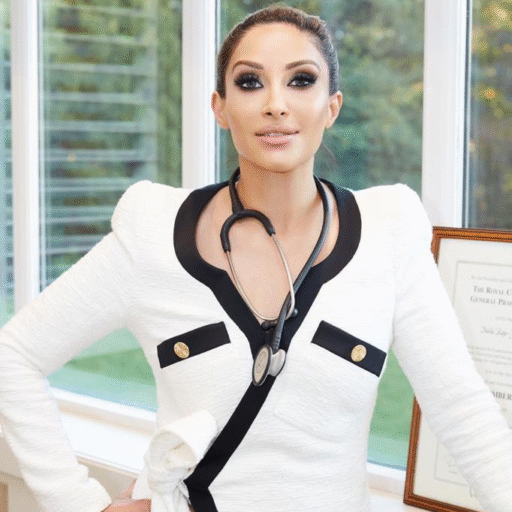
About the Author
Considering treatment? Book a free consultation at our clinics in Mayfair London, Alderley Edge Cheshire, or Crosby Liverpool, or call 0800 009 6661.