
Is Cellulite Genetic? Causes, Risk Factors, and What Treatment Can Realistically Change

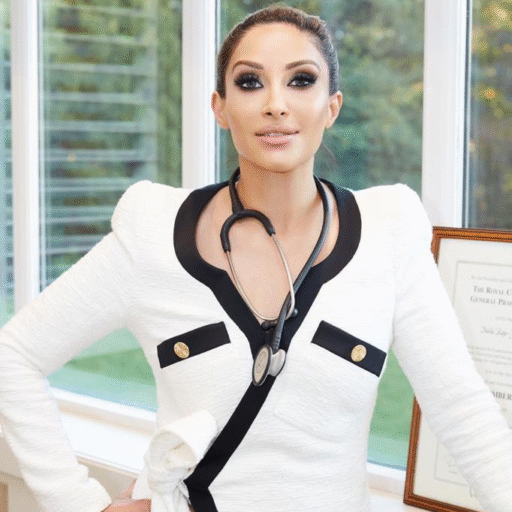
Clinical guidance from Dr Nyla Raja MBChB (Hons), MRCGP (Dist), DFFP, DPDermatology - GMC No. 6057913
Yes, cellulite can be partly genetic. If close relatives have cellulite, you may be more likely to develop it too. However, it is not caused by one “cellulite gene”, and genetics are only one part of the picture. Hormones, the way connective tissue and fat are arranged beneath the skin, skin quality, age, and changes in body composition can all influence how visible cellulite becomes.
Cellulite is a very common cosmetic skin-texture concern, not a sign that someone has been unhealthy or has failed to look after their body. At Dr Nyla Medispa, treatment planning begins with an individual assessment because the pattern of dimpling, skin firmness, and tissue quality can vary considerably from one person to another.
Why genetics can influence cellulite
Cellulite often appears in similar areas within families, particularly on the thighs, buttocks, hips, and abdomen. Genetics may influence characteristics that affect its visibility, including fat distribution, skin thickness, connective-tissue structure, and the way the body responds to hormonal change.
Research supports the view that cellulite is multifactorial. It is associated with the interaction between subcutaneous fat, the skin above it, and fibrous connective-tissue bands, known as septae, which tether the skin downwards. When the surrounding tissue pushes upwards while these bands pull down, dimples can become more apparent. A review of cellulite pathophysiology notes that the precise cause is not fully understood, but that fibrous septae appear to have an important role in visible skin texture.
There have been studies of particular gene variants in relation to cellulite, but these do not provide a genetic test that can predict whether a person will develop it, or how severe it will be. It is more accurate to think of family history as a predisposition rather than a certainty.
Other factors that affect how visible cellulite becomes
Hormones and female tissue structure
Cellulite is much more common in women, partly because female subcutaneous tissue is structured differently from male tissue. Oestrogen is also thought to be relevant, which may help explain why cellulite can become more noticeable after puberty, during pregnancy, or around other hormonal changes. This does not mean that hormones are the only cause, but they are one meaningful influence.
Skin quality and age
As skin becomes thinner or less firm over time, underlying dimpling may be easier to see. Skin laxity can therefore be an important consideration where cellulite has become more noticeable following weight change or with age.
Body composition and weight change
Cellulite can affect people at any body weight. Weight gain may make existing dimpling more visible for some people, but cellulite is not simply a result of excess body fat. Equally, losing weight can improve the appearance for some individuals, while others find that reduced skin firmness makes texture more apparent.
Lifestyle factors
Regular movement, a balanced diet, and avoiding smoking support general health and skin quality, but they cannot change inherited connective-tissue architecture. Exercise can improve muscle tone and body composition, which may alter the appearance of an area, but it does not reliably remove established cellulite.
Clinical Note from Dr Nyla Raja
Dr Nyla Medispa offers non-surgical cellulite treatment, with suitability assessed according to the treatment area, skin quality, the pattern of dimpling, and the individual’s aesthetic goals. Diffuse uneven texture and reduced skin firmness may require a different approach from more defined dimples.
What can professional cellulite treatment realistically change?
Professional treatment cannot alter your genetic predisposition or guarantee completely smooth skin. It may, however, improve the visible texture, firmness, and overall appearance of the treated area when it is matched appropriately to the concern.
Unison cellulite treatment is a non-surgical option that combines radiofrequency energy with targeted vibration. It is intended to improve the appearance of cellulite, tissue texture, and skin firmness. Treatment areas can include the thighs, buttocks, abdomen, and arms. Sessions may take around 20 minutes, and downtime is generally limited, although the number of sessions and individual response will depend on the area and starting concern.
It is important to assess treatment claims carefully. A systematic review of cellulite treatments found promising results for several approaches, including radiofrequency, but also highlighted that available studies vary in their methods, outcome measures, and follow-up periods. In practical terms, this means treatment should be approached as a way to achieve visible improvement, rather than as a permanent cure for every aspect of cellulite.
Questions worth asking before cellulite treatment
- Is the main concern diffuse texture, individual dimples, loose skin, or a combination of these?
- What degree of improvement is realistic for my skin quality and treatment area?
- How many sessions may be appropriate, and when should results be reviewed?
- What aftercare is needed, and are maintenance sessions likely to be helpful?
- Are there reasons to postpone treatment, or seek medical assessment first?
When cellulite-like changes need medical assessment
Typical cellulite is painless and primarily affects skin texture. It is sensible to seek medical advice if you have persistent pain, tenderness, heaviness, easy bruising, marked swelling, or legs that appear disproportionately enlarged, particularly where both sides are affected. These features can occur with lipoedema and should not be assumed to be ordinary cellulite. The NHS guidance on lipoedema explains the symptoms in more detail, and our guide to cellulite versus lipedema outlines the key distinctions.
The key point
Cellulite can be genetic, but it is not predetermined by genetics alone and it is not a personal failing. Its appearance reflects a combination of inherited traits, hormones, connective tissue, fat distribution, and skin quality. While treatment cannot remove the underlying predisposition, a personalised, non-surgical approach may improve visible dimpling and firmness in suitable candidates.
Need Guidance in Selecting the Most Appropriate Treatment?
About the Author
Considering treatment? Book a free consultation at our clinics in Mayfair London, Alderley Edge Cheshire, or Crosby Liverpool, or call 0800 009 6661.