
Can CoolSculpting Cause Loose Skin? What Fat Reduction Can and Cannot Change

Clinical guidance from Dr Nyla Raja MBChB (Hons), MRCGP (Dist), DFFP, DPDermatology - GMC No. 6057913
CoolSculpting is not intended to cause loose skin. It is designed to reduce selected areas of subcutaneous fat, rather than remove or tighten skin. However, when fat beneath the skin is reduced, existing skin laxity can become more noticeable. This can make an area appear looser, particularly where there has already been significant weight loss, pregnancy-related change, or reduced skin elasticity.
Dr Nyla Medispa offers CoolSculpting for suitable localised fat deposits, not as a treatment for loose skin. The distinction matters: fat reduction and skin tightening are different treatment objectives, and the most appropriate approach depends on what is creating the contour concern in the first place.
Why fat reduction can make loose skin more noticeable
The skin sits over the fat layer beneath it. When that fat layer is reduced, there is less underlying volume supporting the skin. If the skin has good elasticity, it may adapt well to a subtle change in volume. If it has already lost elasticity, the reduction may reveal folds, crepiness, or laxity that were previously less visible.
This is most relevant in areas such as the abdomen, upper arms, thighs, and beneath the chin, where a concern can be caused by a combination of localised fat and loose skin. It is also why two people with a similar amount of fat may have different outcomes from the same type of body-contouring treatment.
CoolSculpting uses controlled cooling, known as cryolipolysis, to target fat cells in a pinchable layer beneath the skin. The body gradually clears the affected fat cells over the following weeks and months. It is intended to reduce a visible fat bulge, not to treat obesity, achieve significant weight loss, or remove excess skin. The FDA’s guidance on non-invasive body contouring similarly distinguishes fat-freezing procedures from surgical procedures that remove skin.
Can CoolSculpting tighten existing loose skin?
CoolSculpting should not be relied on as a skin-tightening treatment. Its principal purpose is localised fat reduction.
There have been limited studies reporting improvements in skin texture or laxity following cryolipolysis, including a retrospective clinical evaluation of treated areas. However, this does not mean that predictable or clinically meaningful skin tightening should be expected for every patient, or that cryolipolysis can correct significant loose skin. The authors of that study called for more robust prospective research to quantify any tightening effect. Read the published clinical evaluation.
For someone whose primary concern is loose, hanging, or substantially redundant skin, reducing more fat may not improve the contour and could make the laxity more apparent. In this situation, an assessment should consider the quality and amount of skin, as well as the fat layer.
Clinical Note from Dr Nyla Raja
Dr Nyla Medispa takes a doctor-led approach to assessing body-contouring suitability. This includes considering the location and amount of localised fat, the quality of the overlying skin, and whether reducing volume in that area is likely to support the patient’s intended contour. Where skin laxity is the dominant concern, CoolSculpting alone may not be the most appropriate option.
Fat, loose skin, and abdominal fullness are not the same concern
It is easy to describe an area as “stubborn fat”, but several different factors may contribute to its appearance. Around the abdomen, for example, this may include subcutaneous fat beneath the skin, visceral fat deeper within the abdomen, loose skin, abdominal muscle separation, post-pregnancy changes, or a combination of these factors.
CoolSculpting can only address selected subcutaneous fat that can be appropriately treated. It does not reduce visceral fat, repair muscle separation, or remove excess skin. A recent systematic review and meta-analysis found that cryolipolysis was associated with reductions in adiposity measurements at around three months, but the research largely evaluates fat and circumference outcomes rather than correction of substantial skin laxity. Read the systematic review and meta-analysis.
When CoolSculpting may still be suitable
CoolSculpting may be an option when there is a defined localised fat deposit, reasonable skin quality in the area, and a stable body weight. In these circumstances, a modest reduction in the underlying fat layer may improve proportion and definition without making laxity more noticeable.
The treatment is often considered for areas such as the abdomen, flanks, thighs, upper arms, back, and selected fat beneath the chin. Individual outcomes vary, and treatment is not designed to produce the same degree of volume reduction as surgical fat removal.
When another approach may be more appropriate
A different treatment plan may be considered if:
- loose skin is the main concern, rather than a localised fat deposit;
- there has been substantial recent weight loss, with a significant amount of excess skin;
- the visible fullness is mainly caused by visceral fat or another anatomical factor;
- the amount of reduction desired is greater than a non-surgical fat-reduction treatment can reasonably achieve; or
- there is not enough accessible fat for an applicator to treat appropriately.
For mild to moderate laxity, non-surgical skin-tightening treatments may be considered where clinically appropriate. These treatments use technologies intended to support collagen stimulation and improve skin firmness. Where there is a larger amount of redundant skin, a surgical opinion may be a more realistic route to discuss.
If loose skin has developed after substantial weight reduction, including weight loss associated with GLP-1 medicines, our guide to tightening loose skin after weight-loss injections explains why the degree of laxity, skin quality, and area being treated all influence the options available.
Safety: loose skin is different from a treatment complication
Seeing pre-existing laxity more clearly after fat reduction is an aesthetic and expectation-setting issue, rather than the same thing as a treatment complication. As with any medical aesthetic procedure, CoolSculpting has potential side effects and risks that should be discussed before treatment.
Temporary redness, swelling, bruising, tenderness, numbness, tingling, or sensitivity can occur in the treated area. Rarely, cryolipolysis can lead to paradoxical adipose hyperplasia, where the treated fat becomes enlarged rather than reducing. This presents as a firm, raised area of fat and is not loose skin. Appropriate medical history-taking, examination of the treatment area, applicator selection, and aftercare are important parts of treatment planning.
The key point
CoolSculpting does not generally cause true loose skin, but reducing fat can uncover skin laxity that was already present. It is best suited to localised, pinchable fat where the skin has reasonable quality. If loose skin is your main concern, a treatment designed for skin tightening, or in some cases a surgical assessment, may be more appropriate than fat freezing alone.
Need Guidance in Selecting the Most Appropriate Treatment?
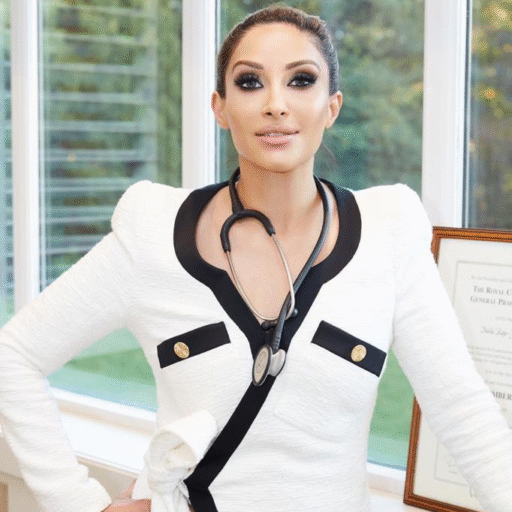
About the Author
Considering treatment? Book a free consultation at our clinics in Mayfair London, Alderley Edge Cheshire, or Crosby Liverpool, or call 0800 009 6661.