
What Are the New Regulations for Botox in 2026?

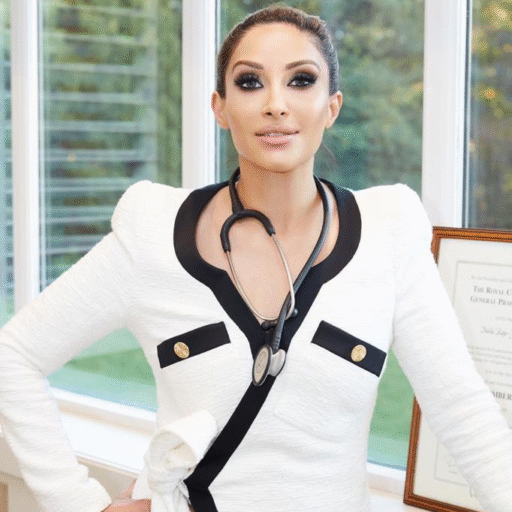
Clinical guidance from Dr Nyla Raja MBChB (Hons), MRCGP (Dist), DFFP, DPDermatology - GMC No. 6057913
New Botox Regulations in 2026: UK Rules and Changes Explained
Botox and other botulinum toxin treatments are receiving increased regulatory attention in 2026, particularly around prescribing, product safety, practitioner standards, and the planned licensing of non-surgical cosmetic procedures in England.
However, it is important to distinguish between rules already in force and new regulations that are still being developed. As of September 2026, England’s proposed licensing system for treatments including botulinum toxin has not yet become law. The government has confirmed that further consultation and secondary legislation are required before the licensing requirements take effect. You can read the government’s consultation outcome on non-surgical cosmetic procedure licensing for the current position.
What Has Changed for Botox in 2026?
Stronger MHRA Safety Warnings
In July 2026, the Medicines and Healthcare products Regulatory Agency (MHRA) strengthened the safety information for botulinum toxin type A products following rare reports of iatrogenic botulism, where the effect of the toxin spreads beyond the intended treatment area.
The updated MHRA botulinum toxin safety guidance advises healthcare professionals and patients to recognise symptoms including difficulty swallowing, slurred speech, breathing difficulty, and muscle weakness. Symptoms typically develop within several days of treatment but can occur up to four weeks afterwards.
The MHRA has also highlighted increased risks associated with counterfeit or unauthorised products, high doses, treatment outside approved indications or injection sites, and certain underlying medical conditions. Patients considering treatment can read our clinical guide to Botox side effects and potential complications for further information about expected reactions and when to seek medical advice.
Is Botox Still a Prescription-Only Medicine?
Yes. Botulinum toxin remains a prescription-only medicine in the UK. Cosmetic treatment therefore requires an appropriate clinical assessment and prescription by a qualified independent prescriber.
For doctors, current GMC prescribing guidance for cosmetic medicines requires a physical examination before injectable cosmetic medicines such as Botox, Dysport, or Vistabel are prescribed. Doctors must not prescribe these medicines solely through a remote consultation.
For patients who would like to understand the treatment itself, our guide explaining Botox covers how botulinum toxin works, common treatment areas, expected results, and the limitations of treatment.
Are New Botox Clinic Licences Being Introduced?
The government intends to introduce a licensing system for non-surgical cosmetic procedures in England. The proposed framework would introduce greater oversight of practitioners and premises providing specified non-surgical cosmetic treatments.
Under the proposed framework, practitioners carrying out specified procedures would need to meet requirements relating to areas such as training, qualifications, insurance, and safety. Premises would also need to meet defined hygiene, infection-control, and cleanliness standards, with the licensing scheme administered by local authorities.
Botulinum toxin injections were included within the government’s proposed medium-risk, or “amber”, category. Under the proposal, qualified and regulated healthcare professionals meeting the required standards would be eligible to perform amber procedures, while non-healthcare practitioners would require appropriate licensing and clinical oversight from a named regulated healthcare professional.
These proposals should not yet be described as fully implemented 2026 Botox regulations. The government has stated that further consultation is required and that the licensing proposals will need to be taken forward through secondary legislation and the parliamentary process before the new regime can take effect.
Can Under-18s Have Cosmetic Botox?
For cosmetic treatment in England, administering botulinum toxin to somebody under 18 is already prohibited under the Botulinum Toxin and Cosmetic Fillers (Children) Act 2021, subject to limited exceptions for treatment administered in accordance with the legislation. This is an existing legal restriction rather than a new rule introduced in 2026.
What Do the 2026 Changes Mean for Patients?
The direction of regulation is towards clearer clinical accountability, authorised products, appropriate prescribing, stronger practitioner standards, and greater oversight of cosmetic treatment premises.
For patients considering Botox treatment, useful checks include confirming:
- Who is prescribing the botulinum toxin
- Who will administer the injections
- The practitioner’s professional registration and qualifications
- That an authorised UK product is being used
- That an appropriate clinical assessment takes place before treatment
- The potential side effects and complications
- What aftercare and clinical support are available if a problem develops
The NHS guidance on choosing a cosmetic practitioner also recommends checking qualifications, training, experience, insurance, and aftercare arrangements before proceeding.
Following treatment, patients should also follow the recommended Botox aftercare advice provided by their practitioner and contact the clinic if they experience unexpected symptoms or have concerns during recovery.
What Are the Botox Regulations in 2026?
The most significant confirmed Botox development in 2026 is the strengthening of MHRA safety warnings for botulinum toxin type A products. Existing requirements around prescription-only status, appropriate clinical assessment, and restrictions on cosmetic treatment for under-18s also remain important.
At the same time, England is moving towards a broader licensing system for non-surgical cosmetic treatments. The proposed regime is intended to introduce clearer requirements for practitioners and premises, but, as of September 2026, the detailed licensing regulations have not yet come into force.
Patients considering treatment should therefore distinguish between the rules that apply now and proposals that may form part of the future regulatory framework. A consultation with an appropriately qualified medical professional provides an opportunity to discuss suitability, potential risks, expected outcomes, and the treatment plan before deciding whether to proceed.
Botox at Dr Nyla Medispa
At Dr Nyla Medispa, Botox treatments are performed exclusively by GMC-registered doctors within a medically regulated clinic. Treatment is individualised according to facial anatomy, muscle strength, symmetry, suitability, and the patient’s intended outcome.
If you are considering Botox, you can book a free consultation at Dr Nyla Medispa in Mayfair London, Alderley Edge Cheshire, or Crosby Liverpool to discuss whether treatment is suitable for you.
Patients can also read our guidance on Botox safety, how long Botox lasts, and Botox aftercare.
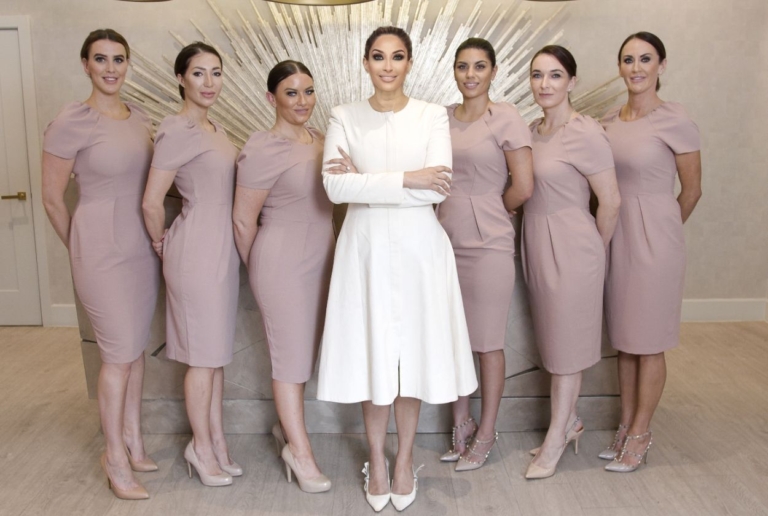
Book in a Free Consultation With Our Expert Team
- Award-winning, doctor-led aesthetic clinics
- Locations in London, Cheshire, and Liverpool
- Over 50 non-surgical treatments available
- Free consultation with a personalised plan
Need Guidance in Selecting the Most Appropriate Treatment?
Related Treatments

Anti-Wrinkle Injections

Dermal Fillers

8 Point Facelift

EMFACE Facial Lifting
About the Author
Considering treatment? Book a free consultation at our clinics in Mayfair London, Alderley Edge Cheshire, or Crosby Liverpool, or call 0800 009 6661.