
Botox for Migraines Explained: How It Works and Who It May Help

Clinical guidance from Dr Nyla Raja MBChB (Hons), MRCGP (Dist), DFFP, DPDermatology - GMC No. 6057913
Botox for Migraines Explained: At a Glance
Botox for migraines is a preventive treatment for adults with chronic migraine. It uses botulinum toxin type A injections across specific areas of the head and neck to reduce the frequency and burden of future headaches rather than to stop a migraine attack once it has already started.
The way Botox helps migraine is different from its cosmetic role. Although botulinum toxin temporarily reduces muscle activity, its effect in chronic migraine is thought to involve modifying pain signalling from peripheral sensory nerves, including reducing the release of chemical messengers involved in migraine pain.
- What it is: botulinum toxin type A used as a preventive treatment for chronic migraine
- Who it is licensed for: adults with headaches on at least 15 days each month, with migraine features on at least 8 of those days
- What it does: aims to reduce future headache and migraine burden rather than treating an attack as it happens
- How it may work: by reducing the release of pain-signalling chemicals from sensory nerve endings
- How it is given: the licensed BOTOX protocol uses multiple injections across the forehead, temples, back of the head, neck, and shoulders
- Treatment interval: typically every 12 weeks when clinically appropriate
- How it differs from cosmetic Botox: the treatment objective, injection pattern, total dose, assessment, and clinical pathway are different
- NHS eligibility: NICE recommends treatment for certain adults with chronic migraine after other preventive medicines have not worked, are unsuitable, or are not tolerated
Chronic migraine is a neurological condition requiring appropriate diagnosis and management. Botox for migraine should be considered through a clinician experienced in headache disorders rather than approached as an extension of cosmetic Botox treatment.
What Is Chronic Migraine?
Migraine is a neurological disorder rather than simply a severe headache. Attacks can involve headache alongside symptoms such as nausea, sensitivity to light or sound, visual disturbance, sensory symptoms, and difficulty carrying out normal activities.
Chronic migraine refers to a particularly frequent pattern of headache. The licensed indication for BOTOX defines chronic migraine in adults as headaches occurring on at least 15 days per month, with at least 8 days having migraine features.
This threshold is important because Botox is not simply offered whenever someone experiences occasional migraine attacks. Its evidence base and licensed preventive use relate specifically to chronic migraine.
Someone experiencing fewer than 15 headache days per month would generally be classified as having episodic rather than chronic migraine, although the exact diagnosis and treatment plan should be determined clinically.
What Is Botox for Migraine?
Botox is the trade name for a medicine containing botulinum toxin type A.
Botulinum toxin has several medical uses. In addition to chronic migraine prevention, botulinum toxin products are used for conditions involving abnormal muscle activity, excessive sweating, and selected bladder disorders. It is also used cosmetically to temporarily reduce activity in facial muscles responsible for expression lines.
For chronic migraine, BOTOX is used as a prophylactic, or preventive, treatment. The aim is to reduce the number and burden of headaches over time.
The current BOTOX prescribing information includes prophylaxis of headaches in adults with chronic migraine within its licensed indications.
How Does Botox Work for Migraine?
The exact way botulinum toxin reduces chronic migraine is not completely understood.
Botulinum toxin is well known for temporarily reducing the release of acetylcholine at the neuromuscular junction, which reduces contraction within treated muscles. Its effect in migraine, however, appears to involve more than muscle relaxation alone.
Current understanding suggests that botulinum toxin acts on peripheral sensory nerve endings and reduces the release of chemical messengers involved in pain transmission and sensitisation.
These include signalling molecules associated with the migraine pain pathway. By reducing peripheral pain signalling, treatment may decrease the sensitisation of the trigeminal pain system that contributes to chronic migraine.
The Migraine Trust guidance on Botox for migraine similarly explains that the medicine is thought to reduce the release of neurotransmitters involved in carrying pain signals.
Clinical Note from Dr Nyla Raja
Migraine treatment demonstrates why Botox should not be understood simply as a cosmetic muscle-relaxing injection. Botulinum toxin acts on nerve signalling, and its therapeutic effect depends on the condition being treated, the dose, and where the medicine is administered.
Why Is Botox Used Preventatively Rather Than During a Migraine Attack?
Botox does not work like an acute migraine medicine or conventional painkiller.
It is not injected when an attack begins with the expectation that it will stop that individual migraine. Instead, treatment is given at scheduled intervals with the aim of reducing the frequency and overall burden of future headaches.
The biological effect develops after treatment and then persists for a period of time. This makes Botox a preventive therapy rather than a rescue treatment.
Patients may still require an appropriate acute treatment plan for migraine attacks that occur between Botox treatment cycles. Preventive and acute migraine treatments therefore have different roles and may be used as part of the same overall management strategy.
Who May Be Considered for Botox for Migraine?
The first consideration is whether the patient actually meets the criteria for chronic migraine.
BOTOX is licensed for prevention of headaches in adults with chronic migraine, defined as:
- Headache on at least 15 days per month, and
- At least 8 of those days having migraine features.
NHS access criteria are more specific than the medicine’s licensed indication. NICE guidance on botulinum toxin type A for chronic migraine recommends it as an option when at least three preventive medicines have not worked, have not been tolerated, or are unsuitable because of safety concerns, and when medication overuse has been appropriately managed.
Medication overuse matters because frequent use of some acute headache medicines can itself contribute to increasing headache frequency. This should be assessed as part of migraine management rather than simply adding another treatment.
A headache diary can be particularly useful before specialist review. Recording headache days, migraine symptoms, acute medicines, and the effect on daily function can help establish the headache pattern and later assess whether preventive treatment is working.
What Does Botox Treatment for Chronic Migraine Involve?
The licensed migraine protocol is substantially more extensive than a cosmetic Botox appointment.
According to the BOTOX prescribing information, chronic migraine treatment involves 155 to 195 units administered across 31 to 39 injection sites.
Injections are distributed across seven head and neck muscle regions, including:
- Corrugator muscles around the brow
- Procerus between the eyebrows
- Frontalis across the forehead
- Temporalis at the sides of the head
- Occipitalis at the back of the head
- Cervical paraspinal muscles in the neck
- Trapezius muscles across the upper shoulders
Some additional sites may be used within specified muscle groups depending on the clinical protocol and distribution of pain.
The recommended re-treatment schedule for chronic migraine is generally every 12 weeks. This is not a treatment intended to be repeated whenever an individual migraine attack occurs.
How Is Migraine Botox Different From Cosmetic Botox?
Migraine Botox and cosmetic Botox use the same underlying type of medicine, but the treatment objectives and protocols are very different.
| Consideration | Botox for Chronic Migraine | Cosmetic Botox |
|---|---|---|
| Main purpose | Prevent chronic migraine headaches | Reduce selected facial muscle activity and expression lines |
| Treatment pattern | Standardised head and neck protocol with multiple sites | Selected facial muscles based on anatomy and cosmetic objective |
| Licensed BOTOX dose | 155–195 units across 31–39 sites | Substantially smaller indication-specific doses for facial cosmetic treatment |
| Clinical pathway | Diagnosis and preventive management of a neurological disorder | Assessment and prescribing for an aesthetic treatment objective |
Having cosmetic Botox across the forehead does not amount to receiving the licensed chronic migraine protocol. Likewise, someone seeking migraine treatment should not simply request additional cosmetic injections because the treatment locations appear similar.
How Effective Is Botox for Chronic Migraine?
Botox does not prevent every migraine attack, and not every patient responds.
The aim is generally to achieve a clinically meaningful reduction in headache burden. This may include fewer headache days, fewer migraine days, reduced severity, or improved ability to function.
For some patients, the improvement is substantial. For others, the change may be limited and treatment should not be continued indefinitely if there is no meaningful response.
The benefit also may not be fully apparent after the first cycle. This is why response is generally assessed over more than one treatment session before deciding whether treatment has failed.
How Is Response to Migraine Botox Assessed?
A headache diary is one of the most useful tools for monitoring response.
Recording the number of headache days before and after treatment provides a more reliable measure than trying to recall whether migraine “feels better”.
Under current NICE migraine guidance, botulinum toxin type A should be stopped if headache frequency has not fallen by at least 30% after two treatment cycles.
NICE also recommends stopping treatment if chronic migraine has changed to episodic migraine, meaning fewer than 15 headache days per month, for three consecutive months.
These stopping rules reflect an important principle of preventive medicine: treatment should continue because it is providing meaningful benefit, not simply because injections have become routine.
What Are the Side Effects and Risks?
Botulinum toxin treatment can cause side effects even when it has previously been well tolerated.
Effects associated with the migraine injection procedure can include:
- Injection-site discomfort
- Bruising
- Temporary headache
- Neck pain
- Muscle stiffness or weakness
- Temporary drooping of the eyebrow or eyelid
Less common and more significant effects can also occur. The BOTOX Summary of Product Characteristics contains the full prescribing information, contraindications, precautions, and recognised adverse effects.
Rarely, effects of botulinum toxin can spread beyond the intended injection area. New difficulty swallowing, speaking, or breathing requires urgent medical assessment.
Patients should tell their specialist about medical conditions, medicines, previous reactions to botulinum toxin, neuromuscular disorders, pregnancy or plans for pregnancy, and any infection around a proposed injection site before treatment.
Botox Is One of Several Migraine Preventive Treatments
Botox is not the only preventive option for chronic migraine.
Depending on previous treatment, medical history, headache pattern, and local prescribing pathways, other options may include oral preventive medicines, CGRP monoclonal antibodies, gepants, and selected non-drug approaches.
Newer migraine-specific treatments target pathways such as calcitonin gene-related peptide, or CGRP, which has an established role in migraine signalling.
The most appropriate treatment sequence should be determined through a migraine clinician or headache specialist rather than assuming Botox is automatically the next step because headaches have become frequent.

Book in a Free Consultation With Our Expert Team
- Award-winning, doctor-led aesthetic clinics
- Locations in London, Cheshire, and Liverpool
- Over 50 non-surgical treatments available
- Free consultation with a personalised plan
Botox for Migraine FAQs
Does Botox stop a migraine once it starts?
No. Botox is a preventive treatment. It is given at planned intervals to reduce future headache burden and is not designed as an acute treatment for an attack already in progress.
How many migraines do you need to have before Botox is considered?
The licensed chronic migraine definition is at least 15 headache days per month, with migraine features on at least 8 of those days. NHS eligibility also considers previous preventive treatments and medication overuse.
Can Botox be used for episodic migraine?
BOTOX is licensed for chronic migraine rather than episodic migraine. Patients with fewer than 15 headache days per month may be considered for other preventive options depending on their migraine frequency and clinical circumstances.
How many injections are given for migraine Botox?
The licensed BOTOX chronic migraine protocol involves 31 injections, with up to 39 sites where additional injections are clinically indicated within specified muscle groups.
Where is Botox injected for migraines?
Injections are distributed across specified muscles of the forehead, brow, temples, back of the head, neck, and shoulders. The pattern is much broader than routine cosmetic forehead treatment.
How often is Botox given for migraines?
The recommended BOTOX re-treatment interval for chronic migraine is generally every 12 weeks.
Is migraine Botox stronger than cosmetic Botox?
“Stronger” is not a useful comparison. Migraine treatment uses a substantially larger total dose distributed over many more sites because it follows a different medical protocol. The dose and injection pattern should be considered within the indication being treated.
Does Botox for migraine work by relaxing tense muscles?
Muscle relaxation occurs, but it does not appear to fully explain the migraine-preventive effect. Current understanding suggests botulinum toxin also reduces signalling from peripheral sensory nerves involved in pain transmission.
How quickly does Botox for migraine work?
Response varies. Some people notice improvement after the first treatment cycle, while meaningful benefit may become clearer after subsequent cycles. Treatment response should be assessed using headache frequency and other clinical measures rather than expecting an immediate effect.
Can cosmetic Botox prevent migraines?
Cosmetic Botox should not be assumed to provide migraine prevention. Chronic migraine treatment uses a specific medical injection protocol across multiple head and neck sites at a different total dose.
Who should I speak to about Botox for chronic migraine?
If headaches are occurring frequently or migraine is significantly affecting daily life, speak to your GP or existing migraine clinician. Patients who may require specialist preventive treatment can be referred to a headache specialist or neurologist for assessment.
Botox for Migraines: A Preventive Treatment for Chronic Migraine
Botox has an established role in the prevention of chronic migraine in appropriately selected adults. It is not an acute treatment and is not simply cosmetic Botox delivered to someone who also experiences headaches.
The migraine protocol uses multiple injections across the head and neck and is thought to work partly by reducing the release of chemical signals involved in pain transmission. The aim is to reduce future headache burden over repeated treatment cycles.
Whether Botox is appropriate depends on establishing the correct diagnosis, reviewing previous preventive treatments, considering medication overuse, assessing medical suitability, and monitoring whether treatment produces a meaningful reduction in headache days.
If you are experiencing frequent migraine or headaches, seek assessment from your GP, neurologist, or headache specialist. Cosmetic Botox consultations and chronic migraine treatment should remain clinically distinct pathways.
Need Guidance in Selecting the Most Appropriate Treatment?
Related Treatments

Anti-Wrinkle Injections

Dermal Fillers
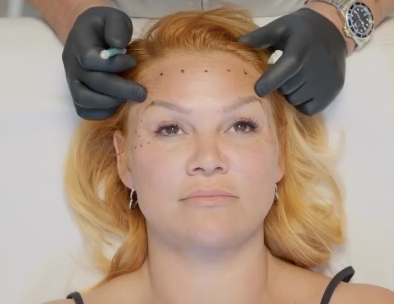
8 Point Facelift
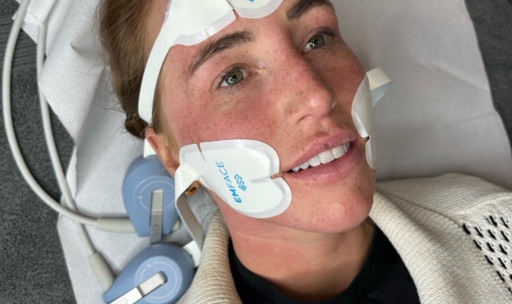
EMFACE Facial Lifting

About the Author
Considering treatment? Book a free consultation at our clinics in Mayfair London, Alderley Edge Cheshire, or Crosby Liverpool, or call 0800 009 6661.