
Aqualyx vs Lemon Bottle: Safety, Evidence & Key Differences

Clinical guidance from Dr Nyla Raja MBChB (Hons), MRCGP (Dist), DFFP, DPDermatology - GMC No. 6057913
Aqualyx vs Lemon Bottle: At a Glance
Aqualyx and Lemon Bottle are both promoted as injectable treatments for localised fat, but they do not have the same clinical evidence or regulatory background.
Of the two, Aqualyx has the more established clinical history and evidence base. Its deoxycholate-based formulation has been used for localised fat reduction for many years, and deoxycholate injections have been examined in peer-reviewed clinical research. Aqualyx still carries recognised risks, including significant swelling, bruising, pain, inflammation, nodules, infection, and, more rarely, tissue injury when treatment is inappropriate or incorrectly administered.
Lemon Bottle presents greater uncertainty. It is not licensed as a medicine by the MHRA, independent clinical evidence for the specific injectable product is limited, and UK pharmacy regulators have raised concerns about unregulated products including Lemon Bottle. Switzerland’s medicines regulator has also issued a specific warning following analysis of products sold under the Lemon Bottle name.
- Aqualyx: established deoxycholate-based injectable treatment with a longer clinical history
- Lemon Bottle: comparatively limited independent clinical evidence for injectable use
- UK position: Lemon Bottle is not an MHRA-licensed medicine
- Regulatory concern: UK pharmacy regulators have raised concerns about unregulated products including Lemon Bottle
- Neither treatment: is appropriate for general weight loss or obesity
- Safety: depends on the product, patient selection, anatomy, injection technique, practitioner training, and complication management
For patients comparing the available clinical evidence, Aqualyx has a more established evidence base than Lemon Bottle. This does not make Aqualyx completely risk-free or suitable for every patient.
Aqualyx vs Lemon Bottle: What Is the Difference?
The principal difference is not simply the ingredient list or price. It is the amount of clinical information available to support informed treatment.
| Factor | Aqualyx | Lemon Bottle |
|---|---|---|
| Clinical history | Longer established use for localised fat reduction | More recently promoted injectable product |
| Evidence | Deoxycholate-based fat reduction has been examined in peer-reviewed medical literature | Limited robust independent clinical evidence for the specific injectable product |
| UK medicines status | Should not simply be described as an MHRA-approved medicine | Not licensed as a medicine by the MHRA |
| Regulatory concerns | Recognised treatment risks require appropriate clinical assessment and technique | Specific concerns have been raised by pharmacy and medicines regulators |
| Purpose | Selected pockets of localised subcutaneous fat | Promoted for localised fat reduction |
What Is Aqualyx?
Aqualyx fat-dissolving injections are used to reduce selected pockets of localised subcutaneous fat. The treatment is injected into fatty tissue beneath the skin, where its deoxycholate-based formulation disrupts fat-cell membranes.
The resulting cellular material is then processed gradually by the body. This means the change develops over time rather than immediately after injection.
Aqualyx is designed for localised fat reduction rather than general weight loss. Our detailed guide to how Aqualyx works explains the mechanism, suitable treatment areas, and limitations in more detail.

What Is Lemon Bottle?
Lemon Bottle became widely promoted through social media as an injectable treatment for reducing localised fat. Marketing around the product has referred to ingredients including bromelain, riboflavin, and lecithin.
However, marketing claims should be distinguished from independently established clinical evidence. There is substantially less robust peer-reviewed evidence for injectable Lemon Bottle than for deoxycholate-based fat-reduction treatments.
Our guide to Lemon Bottle fat-dissolving injections examines its proposed ingredients, clinical evidence, effectiveness, and safety concerns in more detail.
Aqualyx vs Lemon Bottle: Which Is Safer?
No injectable fat-reduction treatment should be described as completely safe. Safety depends on several factors, including the product used, its provenance, patient selection, treatment-area anatomy, injection technique, practitioner competence, and appropriate management of complications.
The more useful distinction between Aqualyx and Lemon Bottle is the degree to which their mechanisms, expected effects, and potential complications can be supported by established clinical information.
Aqualyx has a longer clinical history and a more developed evidence base around deoxycholate-based fat reduction. This allows clinicians to discuss expected treatment responses and recognised risks with greater reference to published medical evidence.
For Lemon Bottle, there is greater uncertainty surrounding injectable use. Independent clinical evidence is limited, and regulatory concerns have been raised about products sold under the Lemon Bottle name.
What Does the Clinical Evidence Say?
Deoxycholate has been studied as an injectable treatment for reducing localised subcutaneous fat, particularly in the submental area beneath the chin.
Published research has documented reductions in submental fat alongside expected treatment reactions including swelling, pain, bruising, and numbness. Research has also identified less common complications, demonstrating why appropriate patient selection and injection technique remain important.
A published Aqualyx complication report described significant problems following treatment that had reportedly been performed by an inadequately trained practitioner and injected too superficially. The authors highlighted the importance of practitioner competence and correct injection technique.
This type of evidence is clinically useful because it provides information about both potential treatment effects and recognised complications. It does not mean that Aqualyx is without risk.
There is currently no comparable body of robust peer-reviewed clinical trial data for injectable Lemon Bottle that allows its efficacy and adverse-effect profile to be characterised to the same degree.
Why Have Regulators Raised Concerns About Lemon Bottle?
The regulatory position around Lemon Bottle is an important consideration when comparing the two treatments.
In the UK, the General Pharmaceutical Council (GPhC) has referred specifically to Lemon Bottle when warning pharmacy professionals about non-medicinal, unregulated, and unlicensed products. Its concerns included incomplete information about product contents and limited or absent clinical safety data.
In March 2024, Swissmedic issued a public warning about Lemon Bottle lipolysis solution. The Swiss regulator reported that laboratory analysis of samples obtained from different sources found discrepancies between the declared ingredients and what was detected during testing.
Swissmedic subsequently added a statement from the Korean distributor, which said it could not verify whether the tested samples were genuine and stated that the original Lemon Bottle Ampoule solution was intended as a cosmetic for external use rather than injection.
This distinction is important. Where the provenance or composition of an injectable product is uncertain, assessing and managing an adverse reaction may be more difficult.
Aqualyx also requires accurate regulatory wording. It should not simply be described as an “MHRA-approved medicine”, because its UK regulatory position differs from that of a licensed prescription medicine. Our guide to whether Aqualyx is legal in the UK explains this distinction in more detail.
What Are the Side Effects and Risks of Aqualyx?
Aqualyx commonly causes a local inflammatory response after treatment. Expected temporary effects can include:
- Swelling
- Tenderness
- Redness
- Bruising
- Temporary firmness
- Numbness or altered sensation
Swelling can be significant, particularly during the early part of recovery.
Less common but more important complications associated with fat-dissolving injections can include infection, persistent nodules, tissue injury, skin necrosis, and injury to nearby anatomical structures.
Our guide to Aqualyx safety, side effects, and aftercare explains expected recovery and when symptoms should be clinically reviewed.
The possibility of complications is why Aqualyx should be approached as a medical aesthetic procedure rather than a simple beauty injection.
What Are the Safety Concerns With Lemon Bottle?
The concern with Lemon Bottle is not that every patient who receives it will experience a complication. The principal issue is that there is insufficient high-quality independent evidence to define the safety profile of the injectable product with confidence.
Reported concerns associated with unregulated fat-dissolving injections can include:
- Significant bruising and swelling
- Persistent inflammation
- Infection
- Abscess formation
- Nodules
- Uneven contour
- Tissue damage or necrosis
Where product composition or provenance is uncertain, managing an adverse reaction can also become more difficult because the treating clinician may not have reliable information about exactly what was injected.
This is different from a predictable temporary treatment response, such as swelling following a well-characterised injectable procedure.
Why Does the Practitioner Matter With Fat-Dissolving Injections?
Product choice is only one part of treatment safety. Injectable fat reduction requires an understanding of subcutaneous fat anatomy, nearby nerves and blood vessels, appropriate injection depth, treatment boundaries, contraindications, infection prevention, and the recognition and management of complications.
A practitioner should also determine whether the apparent area of “fat” is actually caused or influenced by another anatomical concern. For example, fullness beneath the chin can be affected by subcutaneous fat, skin laxity, chin projection, jaw structure, and neck anatomy.
The NHS guidance on choosing a cosmetic practitioner recommends checking a practitioner’s training, qualifications, experience, insurance, and aftercare arrangements before undergoing a cosmetic procedure.

Who Is Suitable for Fat-Dissolving Injections?
Aqualyx may be considered for suitable patients with a defined area of pinchable subcutaneous fat who are seeking localised contour improvement rather than weight loss.
Suitability depends on the treatment area, amount and distribution of fat, skin quality, underlying anatomy, medical history, and treatment goals. A clinical assessment is therefore required before deciding whether injectable fat reduction is appropriate.
Our guide to Aqualyx suitability explains in more detail who may be appropriate for treatment and when an alternative approach may be preferable.
What Are the Alternatives to Fat-Dissolving Injections?
Fat-dissolving injections are not the only option for localised body contouring. The most appropriate approach depends on whether the primary concern is subcutaneous fat, loose skin, reduced muscle definition, or a combination of factors.
Non-injectable treatments such as CoolSculpting may be considered for selected areas of localised fat, while skin-tightening treatments may be more appropriate where reduced skin firmness is the principal concern.
These treatments work differently and are not interchangeable. A clinical assessment can establish which tissue is contributing to the concern before a treatment plan is recommended.
Aqualyx at Dr Nyla Medispa
At Dr Nyla Medispa, Aqualyx fat dissolving injections are performed following a detailed clinical assessment within a medically regulated clinical setting. Treatment starts from £250, with the final plan determined after assessment of the treatment area, amount of localised fat, anatomy, skin quality, and suitability.
We prioritise treatments for which the mechanism, clinical evidence, expected response, and recognised complications can be appropriately discussed with the patient as part of informed consent.
Results develop gradually rather than immediately after treatment, and the number of sessions required varies between patients. Our guide to Aqualyx results explains treatment courses, recovery, and when changes may become visible in more detail.
A free consultation is available before treatment to establish whether Aqualyx is appropriate or whether another approach would be better suited to the concern.

Book in a Free Consultation With Our Expert Team
- Award-winning, doctor-led aesthetic clinics
- Locations in London, Cheshire, and Liverpool
- Over 50 non-surgical treatments available
- Free consultation with a personalised plan
Aqualyx vs Lemon Bottle FAQs
Is Aqualyx safe?
Aqualyx has an established clinical history, but it is not risk-free. Temporary swelling, bruising, tenderness, firmness, and numbness can occur, while more significant complications are possible. Appropriate patient selection and treatment by a suitably trained medical professional are important.
Is Lemon Bottle safe?
There is not enough high-quality independent clinical evidence to describe injectable Lemon Bottle as having a well-established safety profile. UK pharmacy regulators have raised concerns about unregulated products including Lemon Bottle, and Swissmedic has issued a specific warning about products sold under the Lemon Bottle name.
Is Lemon Bottle MHRA approved?
No. Lemon Bottle is not licensed as a medicine by the MHRA. The UK’s regulatory position should not be confused with evidence that an injectable treatment has undergone medicines-authorisation testing for safety, quality, and efficacy.
Is Aqualyx MHRA approved?
Aqualyx should not simply be described as an “MHRA-approved medicine”. Its regulatory position differs from that of a UK-licensed prescription medicine. The more relevant distinction in this comparison is that Aqualyx has a longer clinical history and a deoxycholate-based mechanism supported by substantially more published medical evidence.
Does Aqualyx work better than Lemon Bottle?
There is a stronger clinical evidence base for deoxycholate-based fat reduction than for Lemon Bottle. Direct high-quality comparative trials between Aqualyx and Lemon Bottle are not available, so precise claims about superiority cannot be made from head-to-head evidence.
Can Aqualyx be used for a double chin?
It may be considered where a defined pocket of subcutaneous fat is the principal cause of fullness beneath the chin. If loose skin or skeletal anatomy is the main issue, reducing fat alone may not provide the desired change.
Can fat-dissolving injections be used on the stomach?
Selected areas of pinchable abdominal subcutaneous fat may be suitable for Aqualyx following assessment. It cannot reduce visceral fat, correct muscle separation, remove substantial loose skin, or produce general weight loss.
Which fat-dissolving treatment should I choose?
The decision should be based on clinical evidence, product provenance, practitioner competence, treatment-area anatomy, and individual suitability rather than social-media popularity or headline price. A clinical consultation can determine whether an injectable treatment is appropriate and explain the available evidence, expected response, limitations, and risks before treatment.
Aqualyx vs Lemon Bottle: The Safety Difference Matters
Aqualyx and Lemon Bottle are often grouped together as fat-dissolving injections, but they should not be regarded as equivalent treatments.
Aqualyx has a longer clinical history and a more established evidence base for its deoxycholate-based mechanism. It still carries recognised risks and should only be undertaken after appropriate clinical assessment.
Lemon Bottle has substantially greater uncertainty surrounding injectable use. Independent clinical evidence is limited, the product is not licensed as a medicine by the MHRA, UK pharmacy regulators have raised safety concerns, and Swissmedic has issued a specific warning following analysis of products sold under the Lemon Bottle name.
Patients considering localised fat reduction can book a free consultation at Dr Nyla Medispa in Mayfair, London, Alderley Edge, Cheshire, or Crosby, Liverpool, to discuss whether Aqualyx or a non-injectable alternative is appropriate.
Need Guidance in Selecting the Most Appropriate Treatment?
Related Treatments
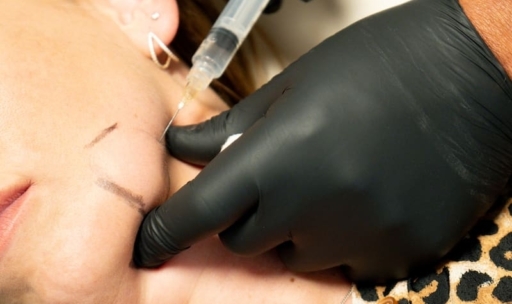
Aqualyx Fat Dissolving Injections

CoolSculpting Fat Freezing

Emerald Laser Fat Loss
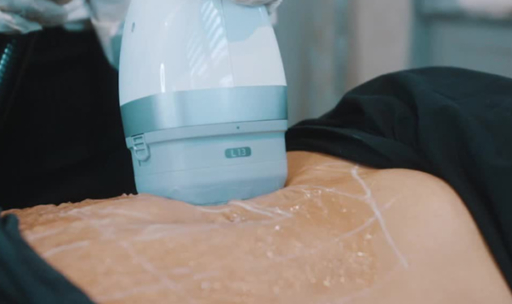
LIPOcel Body Contouring

EMSCULPT Body Sculpting

About the Author
Considering treatment? Book a free consultation at our clinics in Mayfair London, Alderley Edge Cheshire, or Crosby Liverpool, or call 0800 009 6661.